
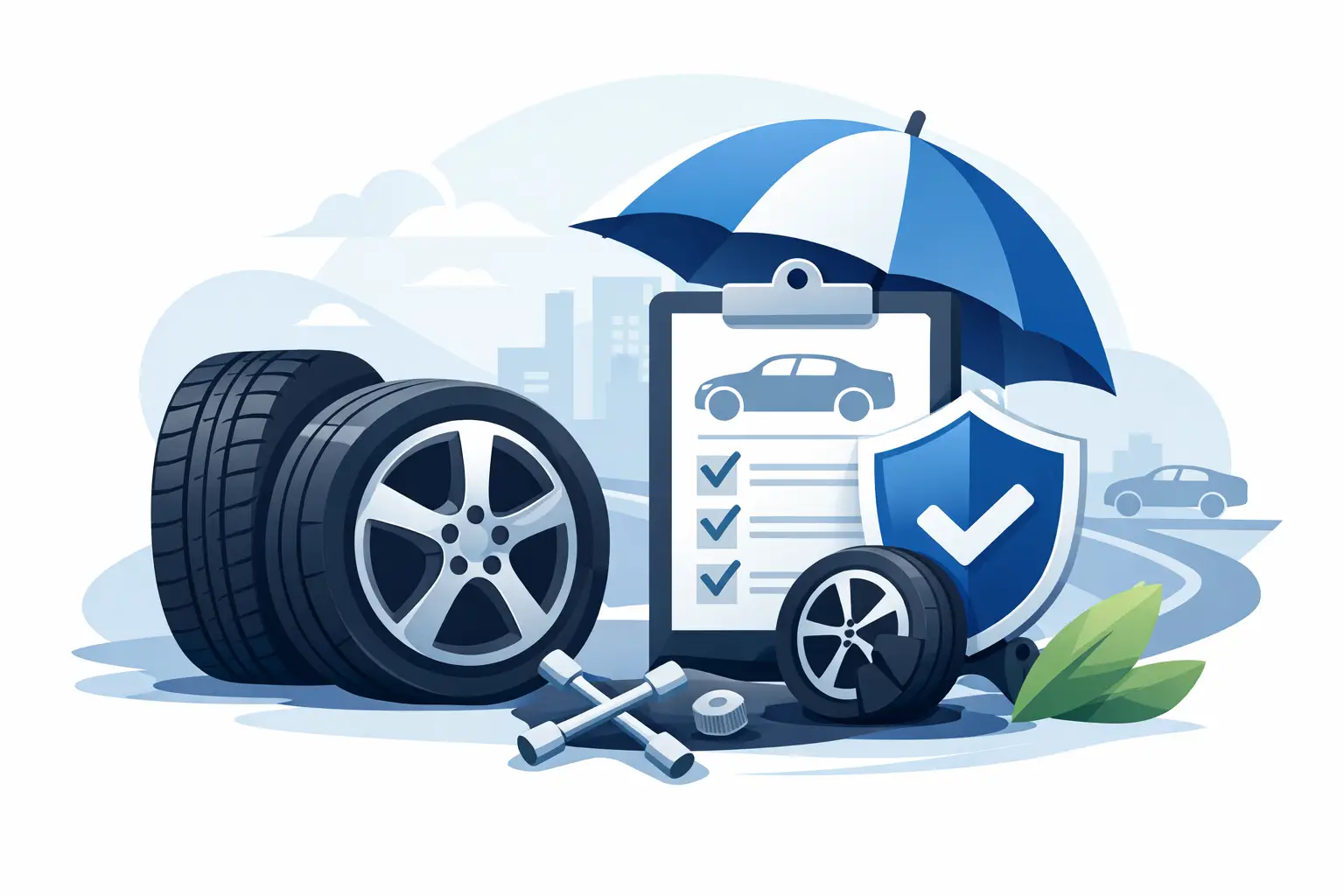
Hit a pothole hard enough, and the damage can get expensive fast. One bent wheel, one ruined sidewall, one tow bill – and suddenly that rough patch of road costs a lot more than a routine commute. That is why many drivers ask, what is tire and wheel insurance, and is it actually worth adding to the cost of a vehicle?
Tire and wheel insurance is an optional protection plan that helps pay for repairing or replacing tires and wheels damaged by road hazards. In most cases, that means things like potholes, nails, glass, metal debris, or broken pavement. It is not the same as standard auto insurance, and it is not the same as a manufacturer warranty. It sits in its own category – part financial protection, part convenience product.
For drivers who care about both function and finish, especially on trucks, Jeeps, SUVs, and wheel-upgraded daily drivers, the details matter. A scratched or cracked wheel is not just cosmetic when it affects sealing, balance, or structural integrity. And when replacement tires are expensive, the right coverage can make sense. The key is understanding exactly what you are buying.
What is tire and wheel insurance and how does it work?
At a basic level, tire and wheel insurance reimburses or directly covers the cost of fixing damage caused by road hazards. If you hit a pothole and the tire bubbles or blows out, the plan may pay for a replacement. If the wheel bends or cracks from the same impact, the plan may also cover repair or replacement, depending on the terms.
Most plans are sold at the dealership when you buy or lease a vehicle, but some are available through third-party warranty companies, credit unions, or insurers as add-on products. You pay either a one-time upfront fee or a monthly amount. In return, covered claims are handled according to the contract.
Some plans pay the repair shop directly. Others require you to submit receipts for reimbursement. Some have no deductible, while others charge a small per-claim fee. The value is not just in the payout amount. It is also in how quickly the claim gets approved, whether your preferred shop can do the work, and whether the replacement parts match the original fit and finish.
What tire and wheel insurance usually covers
Coverage varies, but most plans are built around road hazard damage. That usually includes a tire damaged by a nail, pothole, or debris if the tire cannot be safely repaired. It may also include wheels that are bent, cracked, or otherwise damaged from the same event.
Many plans also cover mounting, balancing, valve stems, and disposal fees tied to the replacement. Some include cosmetic wheel repair for curb rash, though that is less universal. Others extend to towing, flat tire assistance, or trip interruption if the damage leaves you stranded away from home.
That sounds straightforward, but the fine print matters. Some providers replace with comparable aftermarket parts if identical originals are unavailable. Others limit coverage to factory wheels only. If your vehicle runs upgraded wheels or oversized tire packages, that can change the equation.
What it usually does not cover
This is where buyers get tripped up. Tire and wheel insurance generally does not cover normal wear. If your tread is worn down and the tire fails, that is not a road hazard claim. Cosmetic issues with no structural damage may also be excluded unless the plan specifically includes appearance repair.
It usually will not cover damage from collisions, vandalism, off-road use, racing, improper inflation, or poor maintenance. If a wheel is damaged because the suspension is worn out or the vehicle was overloaded, the provider may deny the claim. The same goes for damage linked to manufacturer defects – that falls under warranty territory, not hazard protection.
Modified vehicles can be another gray area. Some plans are strict about non-OEM wheel and tire sizes. If the car, truck, or SUV is running a setup outside factory spec, read the contract carefully before assuming you are covered.
Tire and wheel insurance vs. warranty vs. auto insurance
The confusion usually comes from overlap in the language. A tire warranty often covers defects in materials or workmanship. If the tire fails because it was built incorrectly, that is a warranty issue. If it fails because you hit road debris, that is usually a tire and wheel insurance issue.
Standard auto insurance is different again. If you damage a wheel in an accident, collision coverage may apply, but you would still face your deductible. For many drivers, that deductible is far higher than the cost of a single tire or wheel claim, which is why they would not use auto insurance for minor road hazard damage in the first place.
Tire and wheel insurance fills that gap. It is designed for smaller but still painful incidents that happen in ordinary driving conditions. The trade-off is that it only applies to a narrow set of problems.
When tire and wheel insurance may be worth it
If you drive in an area with rough roads, winter freeze-thaw damage, construction zones, or constant potholes, this type of coverage becomes more compelling. The same is true if your vehicle uses low-profile tires, large-diameter wheels, or premium wheel finishes that cost a lot to replace.
Lease customers often find it attractive because wheel damage can become a turn-in issue. Owners of trucks and SUVs may also see value if replacement tires are expensive and the vehicle sees heavy daily mileage. Drivers who simply want predictable ownership costs sometimes like the convenience, especially if the plan includes roadside help and easy claims handling.
It also tends to make more sense when the wheel and tire package itself is high value. A basic steel wheel and common tire size are one thing. A premium alloy wheel paired with a more specialized tire is another.
When it may not be worth it
If you rarely drive, live where roads are in good shape, or run affordable replacement tires and wheels, the math may not work in your favor. Some plans cost enough upfront that you could set aside the same amount as a repair fund and come out ahead if you never file a claim.
It may also be a weak value if the contract has tight exclusions, low payout caps, or limited repair network options. Coverage sounds impressive until you realize the plan only pays for damage under very specific conditions. If your wheel setup has already been changed from stock, the chance of a denied claim can be higher.
This is one of those products where usage patterns matter more than marketing. The best plan on paper still needs to match the way the vehicle is actually driven.
What to check before you buy
The strongest question is not just what is tire and wheel insurance, but what does this specific plan cover for this specific vehicle. Start with whether the coverage applies to your exact wheel and tire package, including any optional upgrades.
Then look at claim limits. Check whether there is a cap per repair, a cap per wheel, or a total contract maximum. See if there is a deductible and whether labor, balancing, taxes, and towing are included. Ask how cosmetic wheel damage is handled, because some providers cover refinishing while others cover structural repair only.
Also check whether replacements must be authorized in advance. If you hit a pothole on a weekend trip and need immediate service, preapproval rules can matter. So can the provider’s parts policy. If appearance, material, and fitment are priorities, you want to know what kind of replacement standard the contract uses.
For enthusiast-minded owners, this part matters more than the sales pitch. Wheels are not just hardware. They affect stance, ride quality, brake clearance, and visual finish. At FORTLUFT, that balance of function and style is central to how drivers think about parts in the first place.
A practical way to think about the cost
Do a simple comparison. Price one replacement tire for your vehicle. Then price one wheel. Add mounting, balancing, alignment check if needed, and a tow if the damage leaves you stuck. Compare that realistic out-of-pocket number against the plan cost.
If one claim would nearly equal or exceed the price of the coverage, the plan may be reasonable. If it would take multiple claims before the plan pays off, then self-funding may be the better move. There is no universal answer because tire sizes, wheel finishes, and driving conditions vary so much.
The smartest buyers treat tire and wheel insurance like any other automotive protection product – not as an automatic yes or no, but as a fitment question. If the coverage matches your roads, your vehicle, and your wheel and tire costs, it can be a practical layer of protection. If the contract is vague or the numbers do not work, keeping that money for future parts and repairs may be the cleaner choice.
Before you sign anything, ask for the full terms and read them like you would a spec sheet. Good protection should be as precise as the components on your vehicle.