
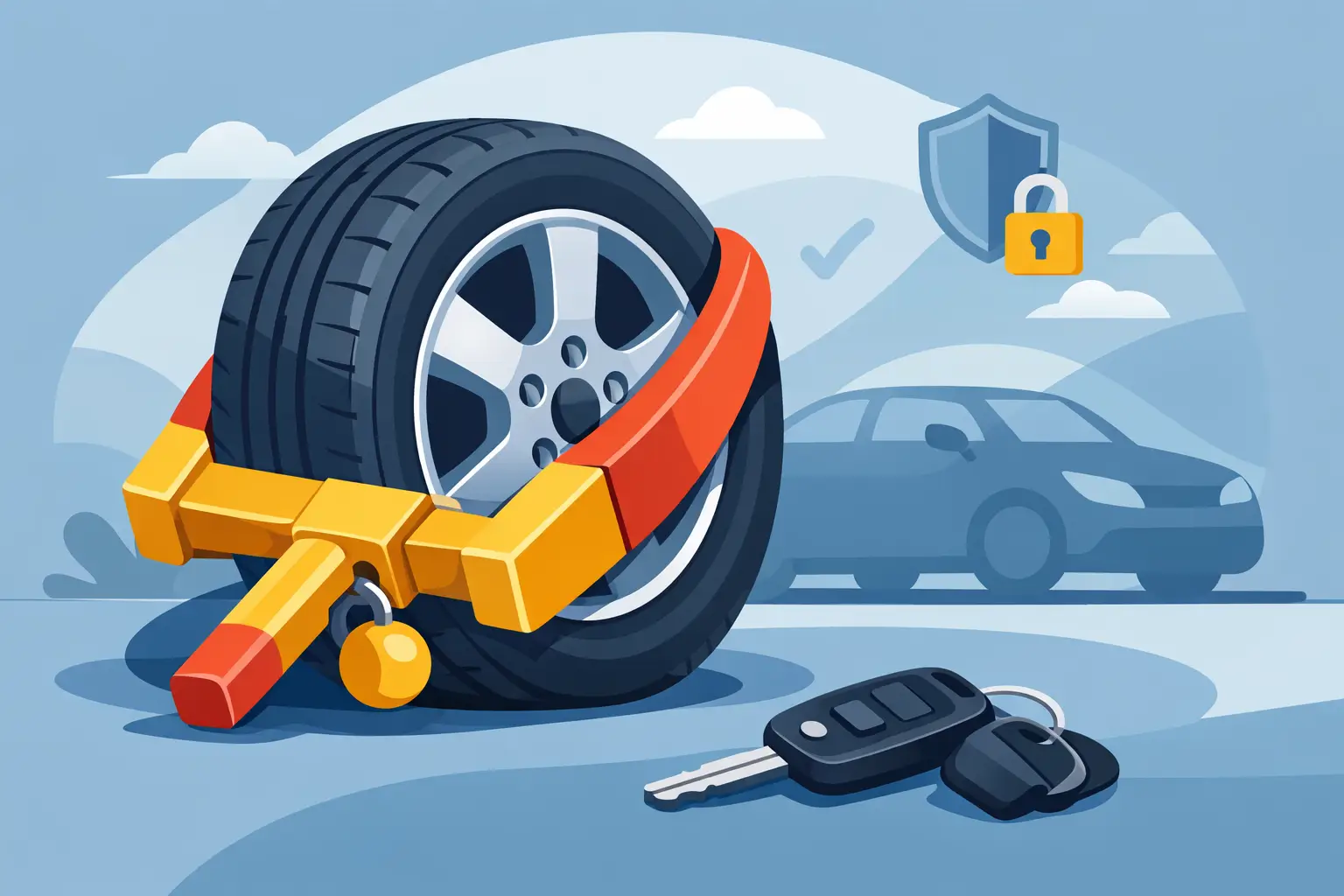
A clean set of wheels can change the whole look of a car, truck, Jeep, or SUV. They also happen to be one of the easiest high-value parts to steal. If you have ever asked what is tire wheel lock, the short answer is this: it is a security lug nut or bolt designed to prevent someone from removing your wheel with a standard socket.
That basic idea matters more than it sounds. Wheels, tires, and accessories are expensive, and theft can happen fast in a driveway, parking lot, or even outside a shop. A wheel lock adds a barrier between your vehicle and a thief who expects a quick job.
What is tire wheel lock?
A tire wheel lock is a specially shaped lug nut or wheel bolt that replaces one standard fastener on each wheel. Instead of using a common hex shape that any regular socket can remove, it uses a unique pattern. To install or remove it, you need a matching wheel lock key.
Most sets include four locks, one for each wheel, plus the key. On some vehicles, especially heavy-duty or high-theft targets, owners may use more than one lock per wheel, but one per wheel is the common setup.
The term can be a little confusing because some people say “tire lock” when they really mean “wheel lock,” and others use it to describe a clamp that attaches to the outside of a wheel. In everyday aftermarket parts language, a tire wheel lock usually means the locking lug nut or locking wheel bolt system.
How a tire wheel lock works
The concept is simple. A regular lug nut can be removed with an ordinary lug wrench or impact socket. A wheel lock cannot, at least not easily, because its outer shape is different from standard hardware.
The key fits over the lock’s pattern and allows the fastener to turn like a normal lug nut. Without that key, removal takes more time, more tools, and more noise. That delay is the whole point. Most thieves are looking for speed. If your wheels take longer to remove than the next vehicle’s, they may move on.
That does not make a wheel lock a perfect anti-theft device. It makes it a deterrent. That distinction is worth keeping in mind when you are deciding how much protection you want.
Why wheel locks are worth considering
If your vehicle has factory steel wheels and basic all-season tires, wheel theft may not be your top concern. But if you have aftermarket wheels, oversized truck wheels, off-road setups, premium finishes, or fresh tire-and-wheel packages, the value rises quickly.
Wheel locks make the most sense when the replacement cost of your wheels and tires would be painful. They also help when your vehicle is parked outside, left in public lots, or used in areas where theft is more common. For enthusiasts, the visual side matters too. A great-looking wheel setup is part of the build. Protecting that investment is just good sense.
There is also a practical insurance angle. Even when coverage applies, a theft claim can still mean deductibles, downtime, and the hassle of sourcing replacements. A simple lock set is far cheaper than dealing with all of that.
What wheel locks do well, and what they do not
Wheel locks are effective because they create friction in the theft process. They force a thief to stop, assess, and either have the right removal method or spend extra time improvising. That alone reduces risk.
Still, they are not invincible. Given enough time and the right tools, many locks can be defeated. Some designs are stronger than others, and some low-quality lock sets are easier to compromise. If someone is specifically targeting your vehicle and comes prepared, a wheel lock may not stop them completely.
That is why the best way to think about wheel locks is layered security. They work best when combined with smart parking habits, alarms, cameras, and common sense. Security is rarely about making theft impossible. It is about making your vehicle a harder target.
Types of wheel locks
Most passenger vehicles use one of two basic fastener styles: lug nuts on wheel studs or wheel bolts that thread directly into the hub. Your lock set has to match that design.
Beyond that, wheel locks vary by seat type, thread pitch, finish, and key pattern. Seat type is especially important. Common options include cone seat, ball seat, and mag seat. If the seat does not match your wheel, the lock may not clamp correctly, and that can create both fitment and safety issues.
Material and finish matter too. Good wheel locks are made to handle torque, weather, and repeated service without rounding off or corroding quickly. If you drive in snow, salt, mud, or coastal conditions, cheap hardware tends to show its limits fast.
How to choose the right wheel lock set
Fitment comes first. You need the correct thread size, seat style, shank length if applicable, and overall dimensions for your wheel. A lock that almost fits is not good enough.
You should also think about the wheel design itself. Some aftermarket wheels have narrow lug recesses, which means a bulky lock or key may not fit into the hole cleanly. That is a common issue on style-focused wheels with tighter lug pockets. In those cases, the outside diameter of both the lock and the key matters as much as the thread spec.
Finish is partly functional and partly visual. Chrome and black are common choices, and many owners want the lock to blend in with the rest of the lug hardware. On a design-conscious build, that detail matters. Technology as an art form applies here too – security hardware should protect the wheel without disrupting the look.
Brand quality matters as well. Better lock sets usually offer more precise machining, stronger materials, cleaner fitment, and key patterns that are less vulnerable to basic removal tricks. That does not mean the most expensive set is always the right one, but ultra-cheap security hardware is usually cheap for a reason.
Installation details that matter
Installing wheel locks is straightforward, but it needs to be done correctly. The lock replaces one lug nut or bolt per wheel, and it should be tightened to the vehicle or wheel manufacturer’s torque specification.
The biggest mistake is over-tightening, especially with an impact gun. That can damage the lock, damage the key, or make roadside removal much harder than it needs to be. Wheel locks should be torqued properly with the right tool, just like the rest of your wheel hardware.
You also need to store the key somewhere you can actually find it. Not loose in the trunk where it can disappear under tools and gear. Not in a random drawer at home that you will forget six months later. Keep it in a secure, memorable place in the vehicle, especially if you ever expect to deal with a flat tire, brake service, or tire rotation.
What happens if you lose the key?
This is the downside people usually discover at the worst possible time. If you lose the wheel lock key, removing the wheels becomes much more difficult. Shops can sometimes remove locks using specialty tools, but the process may damage the lock, take extra labor, or delay service.
Some manufacturers offer replacement keys if you have the original key code. That is worth keeping if your set includes one. If not, your backup plan is usually professional removal and replacement.
This is one of those trade-offs that makes wheel locks slightly less convenient than standard lug nuts. You gain security, but you take on one more part that needs to be managed correctly.
Are wheel locks right for every vehicle?
Not always. If your wheels are low-value, your vehicle stays in a locked garage, and theft risk is minimal, wheel locks may not be necessary. For some owners, the added inconvenience is not worth it.
But for a large number of drivers, especially those with aftermarket wheels, newer trucks, Jeeps with upgraded wheel-and-tire packages, or vehicles parked outside overnight, they make a lot of sense. They are relatively affordable, easy to install, and effective enough to justify the small extra step.
There is also a middle ground. Some owners use wheel locks only during certain seasons or after upgrading wheels. Others add them to daily drivers but skip them on work vehicles that need frequent wheel service. It depends on vehicle value, parking conditions, and how often the wheels come off.
What is tire wheel lock really for?
At its core, the answer to what is tire wheel lock is simple: it is a low-profile security upgrade for one of the most visible and valuable parts on your vehicle. It does not change performance, and it does not add style in the usual sense. What it adds is resistance.
For anyone investing in better wheels, better tires, or a more complete vehicle look, that resistance is worth having. The right lock set fits properly, looks right, and adds protection without overcomplicating routine maintenance.
If you are building a vehicle with intention, security should be part of the plan, not an afterthought. Good parts deserve the same level of protection as the rest of the build.