
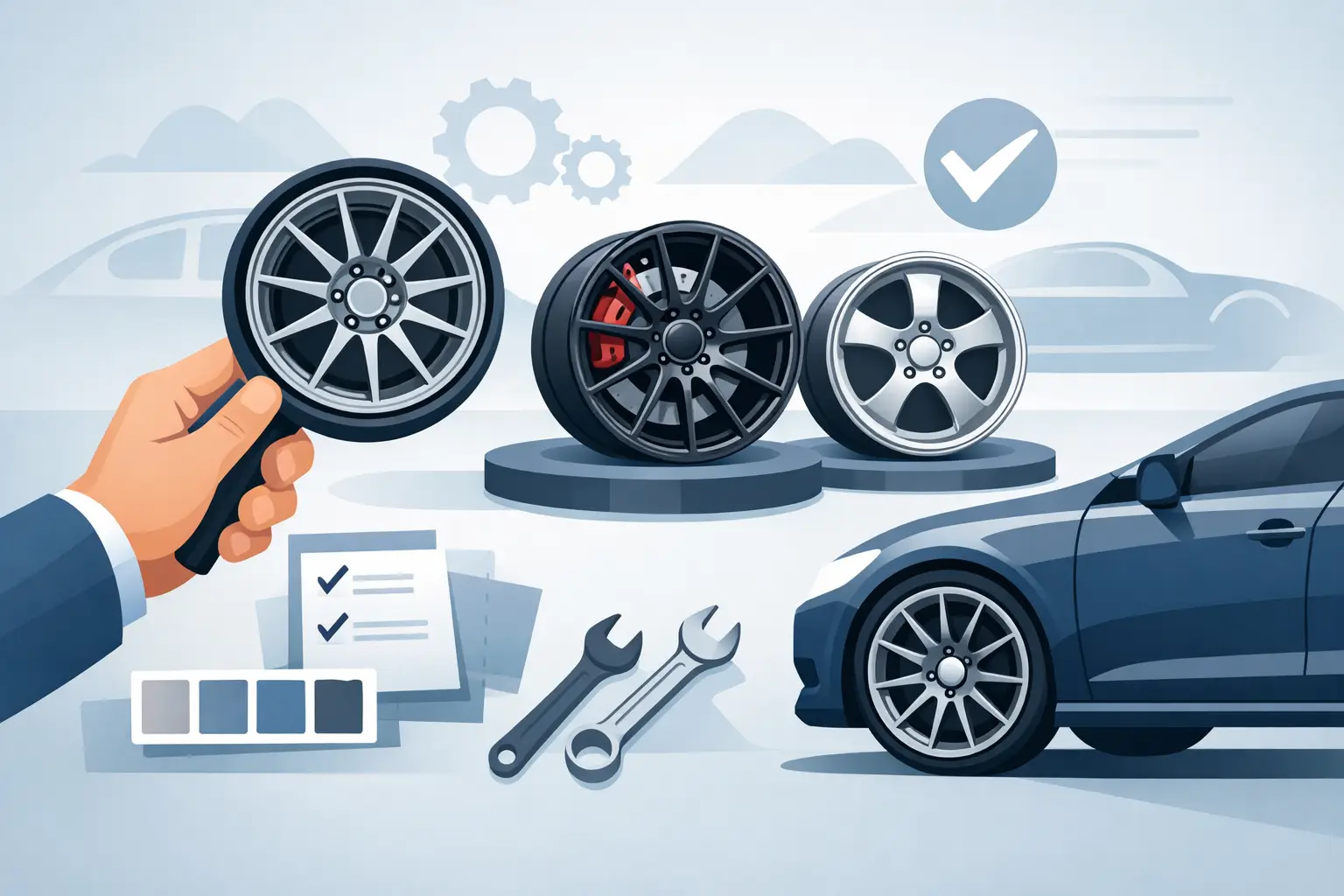
A wheel can make a truck look planted, a Jeep look trail-ready, or a sedan look sharper before it even leaves the driveway. But the wrong wheel choice can also create rubbing, harsh ride quality, weak load support, or a fitment headache that costs more than the upgrade itself. If you are figuring out how to choose aftermarket wheels, the goal is not just style. It is getting the right balance of fit, function, durability, and visual impact.
Aftermarket wheels sit at the intersection of performance and design. That is exactly why the decision matters. The right set changes stance, handling feel, brake clearance, and overall presence. Technology as an art form only works when the engineering is right first.
How to choose aftermarket wheels without guesswork
The fastest way to narrow the field is to start with fitment, not finish. Many buyers shop by color or spoke pattern first, then try to force a wheel onto a vehicle afterward. That usually leads to compromises. Instead, confirm the non-negotiables before you think about style.
You need to know your vehicle’s wheel diameter, width, bolt pattern, center bore, offset range, and load requirements. If you are upgrading a truck, Jeep, or SUV, load rating matters even more than appearance. If you drive a performance-oriented car, brake clearance and tire compatibility move higher on the list.
Factory specs give you the baseline. From there, you can decide whether you want to stay close to stock for easy fitment or move to a more aggressive setup for a stronger visual stance.
Start with the wheel specs that actually matter
Diameter and width
Diameter affects both appearance and tire options. Moving from a 17-inch wheel to an 18- or 20-inch wheel can sharpen the look of the vehicle, but it usually means a shorter tire sidewall. That often improves steering response, yet it can also make the ride firmer and increase the chance of wheel damage on rough roads.
Width changes how the tire sits and performs. A wider wheel can support a wider tire and create a more substantial footprint, but only if the vehicle has room for it. Too much width can lead to fender rubbing, suspension interference, or uneven tire wear if the tire size is mismatched.
For daily drivers, a modest increase usually works best. For trucks and Jeeps, wider setups can look excellent and add presence, but clearance during turning and suspension travel becomes critical.
Bolt pattern and center bore
This is where fitment becomes simple or frustrating. The bolt pattern has to match exactly. A wheel with the wrong bolt pattern is not close enough. The same goes for center bore. If the center bore is too small, the wheel will not seat properly. If it is larger, hub-centric rings may be needed to ensure proper centering.
This is one of the most common reasons buyers end up with wheels that look right on paper but do not install correctly in the garage. Exact matching matters.
Offset and backspacing
Offset determines where the wheel sits relative to the hub. It affects inner clearance, outer poke, steering feel, and the chance of rubbing. Lower offset generally pushes the wheel outward for a more aggressive stance. Higher offset pulls it inward.
There is no universally better offset. It depends on the vehicle, suspension setup, tire size, and intended use. A more aggressive offset may be perfect for appearance, but if it causes tire rub on compression or full lock, it stops being an upgrade. Trucks, Jeeps, and lifted SUVs often tolerate different offset ranges than stock-height crossovers or sedans.
If you are changing wheel width and offset at the same time, treat them as one fitment decision, not two separate ones.
Match the wheel to how the vehicle is actually used
A show-focused street build and a work truck should not be shopping the same way. One of the best ways to choose aftermarket wheels is to be honest about daily use.
If the vehicle is a commuter, lighter wheels with easy-to-clean finishes and near-stock sizing usually make the most sense. If it is a truck that tows or hauls, load rating should be a priority ahead of visual stance. If it is a Jeep that sees trails, durability, sidewall support, and practical diameter matter more than a delicate finish or oversized wheel.
For performance street driving, weight becomes a bigger factor. Reducing unsprung weight can improve responsiveness and overall feel. That does not mean the lightest wheel is always the best buy, but it does mean construction quality matters.
In other words, choose for the miles you drive, not just the photos you like.
Material and construction change the experience
Most aftermarket wheels fall into a few broad categories, and each has trade-offs. Cast aluminum wheels are common because they are cost-effective and available in a wide range of styles. For many drivers, they deliver the best balance of price and appearance.
Flow formed wheels usually cost more, but they can offer better strength-to-weight characteristics than standard cast options. That can be a smart middle ground for buyers who want improved performance without stepping into premium motorsport pricing.
Forged wheels are typically the premium end of the market. They are known for strength, lower weight, and precision, but they come at a much higher price. For a daily driver, they may be more wheel than you need. For high-performance use or very specific build goals, they can make sense.
The right answer depends on budget and expectations. There is no value in paying for a top-tier construction method if your priority is mainly appearance on a daily-driven SUV. There is also no point buying purely on price if the wheel will be exposed to hard use and heavy loads.
Tires and wheels need to be chosen together
A wheel never works alone. Tire size, sidewall height, and intended use all affect whether the setup performs the way you expect.
If you increase wheel diameter too much, you may end up with a thin sidewall that looks sharp but rides harshly and offers less protection from potholes. If you go too wide without choosing the right tire width, the tire can look stretched or unsupported. On trucks and Jeeps, tire-to-wheel balance is even more visible. A wheel that is too large can take away the functional sidewall needed for off-road traction and impact absorption.
This is why plus-sizing should be done carefully. Keeping overall tire diameter close to stock often helps preserve speedometer accuracy, gearing feel, and clearance. A dramatic change can affect more than appearance.
Finish matters more than most buyers expect
Gloss black, bronze, machined, gunmetal, silver, matte finishes – style is personal, but maintenance is practical. A finish that looks perfect under showroom lighting may not be ideal for winter roads, brake dust, or regular trail use.
For year-round daily driving, easier-care finishes usually age better. Machined faces can look premium, but road salt and neglected maintenance may shorten the clean look. Matte finishes can be excellent on the right vehicle, though some require more care to avoid staining or uneven appearance.
Match the finish to the vehicle’s color, trim, and personality, but also match it to your cleaning habits. The best-looking wheel is the one that still looks good six months later.
Brake clearance and load rating are not minor details
Two specs get overlooked constantly: brake clearance and load capacity. Both can turn an exciting wheel upgrade into an expensive return.
Brake clearance is especially important on newer vehicles, performance trims, and trucks with larger brake packages. A wheel can have the correct diameter and still fail to clear the caliper because of spoke design or barrel shape.
Load rating is essential for trucks, SUVs, and heavier vehicles. If a wheel is not rated for the weight it needs to carry, it is the wrong wheel, no matter how good it looks. This is not a style decision. It is a safety and durability decision.
The best aftermarket wheel choice is usually balanced
A good wheel setup looks intentional because the proportions are right. It sits properly, clears correctly, supports the right tire, and fits the vehicle’s purpose. That may mean sticking close to factory diameter with a better width and finish. It may mean a more aggressive offset on a truck build. It may mean prioritizing strength and load rating over an ultra-light design.
If you are shopping a broad category mix like the one at FORTLUFT, the smartest approach is to narrow by fitment and use case first, then choose the design that delivers the look you want. That keeps the buying process clean and avoids paying for style at the expense of performance.
The wheel you choose should do more than fill the fender. It should make the whole vehicle feel more complete, more capable, and more like it was built on purpose.