
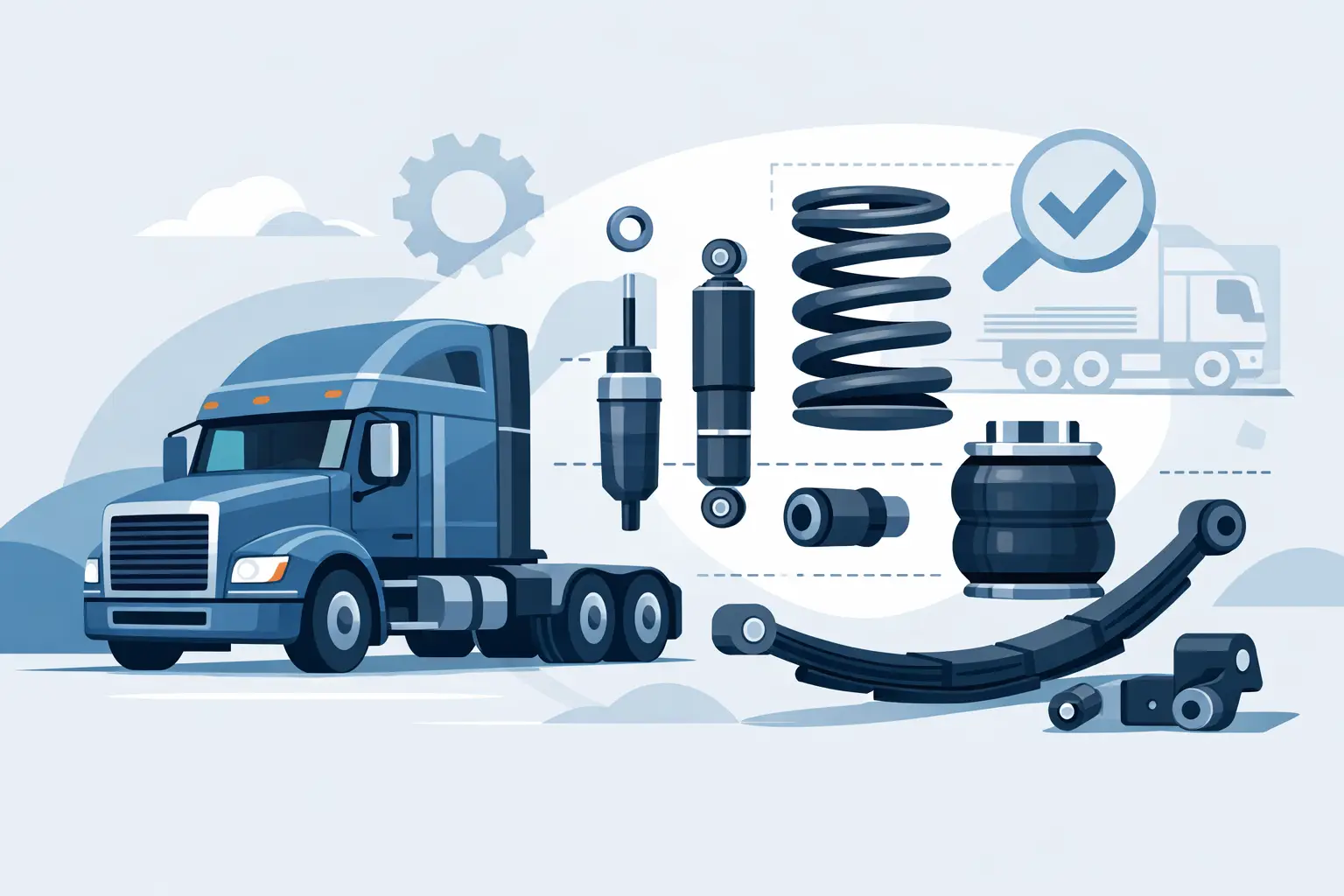
A truck can look right at the curb and still drive wrong on the highway. That usually happens when parts were selected one at a time instead of as a system. Knowing how to match truck suspension components means balancing vehicle weight, intended use, ride height, tire size, and steering geometry before ordering the first part.
A well-matched setup should do more than create clearance for larger tires. It should keep the truck predictable under braking, composed with a trailer attached, stable through turns, and comfortable enough to use every day. Technology as an art form starts with fitment that works.
Start With What the Truck Needs to Do
Suspension selection begins with the truck’s actual job. A half-ton pickup used for commuting and occasional weekend projects needs a different setup than a work truck that carries tools daily, tows a camper, or spends time on unpaved roads. “Truck” is not a complete specification.
Write down the truck’s year, make, model, drivetrain, cab and bed configuration, engine, and factory suspension package. Then consider its current and planned load. A steel front bumper, winch, diesel engine, bed rack, toolbox, or slide-in camper all add weight in specific areas. That weight changes spring requirements and can make a previously comfortable shock feel underdamped.
Also decide what matters most: stock-like ride quality, towing control, off-road articulation, larger tire clearance, or a leveled stance. Most builds involve compromise. A firmer spring can manage cargo better but feel sharper on empty roads. A tall lift can improve clearance but adds pressure to steering, driveline, and alignment geometry. The best component combination fits the use case, not the trend.
Match Spring Rate to Vehicle Weight
Springs support the truck. Shocks control how the springs move. Mixing up those roles is one of the most common suspension buying mistakes.
Coil springs, leaf springs, torsion bars, and coilovers must be selected for the weight they carry. A front leveling spring designed for a standard gasoline truck may sit lower than intended on a diesel model or a truck with a heavy aftermarket bumper. Conversely, an extra-heavy-duty front spring on a lightly equipped truck may create a stiff, elevated nose and reduce ride comfort.
At the rear, consider whether the truck normally runs empty or loaded. Add-a-leaf kits and replacement leaf packs can improve load support, while helper springs or air-assist systems allow more adjustment for changing cargo and trailer tongue weight. None of these parts automatically increase the truck’s payload rating. That rating remains limited by the manufacturer’s chassis, axles, tires, wheels, brakes, and other systems.
If the truck squats only when a trailer is connected, adjustable rear support may make more sense than permanently stiff leaf springs. If it carries consistent weight every day, a properly rated leaf pack is usually the cleaner long-term answer.
Keep Front and Rear Ride Height Intentional
A level truck is not always a balanced truck. Many pickups leave the factory with a slightly higher rear stance to account for cargo and towing. Removing all rake can look clean when unloaded, but the rear may sit lower once a trailer or full bed is added.
Measure ride height at all four corners before changing anything. Use a consistent reference point, such as the wheel center to the fender edge, and measure on level ground. Compare the planned lift or leveling height with tire clearance, suspension travel, and the truck’s expected load. Numbers prevent expensive guesswork.
Choose Shocks That Fit the Springs and Travel
Shock absorbers need to match the truck’s ride height, spring behavior, mounting style, and use. A shock that is too short can bottom out before the suspension reaches full compression. One that is too long can overextend at full droop, stressing mounts or limiting travel in the wrong direction.
Check both compressed and extended shock length rather than relying only on a listed lift range. This matters especially on custom builds, trucks with replacement leaf packs, and vehicles using a mix of leveling and lift parts.
Valving matters as much as length. Lightly valved shocks can feel comfortable on small pavement imperfections but may allow repeated bouncing after a bump or trailer sway at speed. Firmer valving improves body control and can handle larger tires, added weight, and rough roads more confidently, though it may transmit more impact to the cabin.
For a daily-driven truck that occasionally tows, a quality monotube or application-specific heavy-duty shock is often a practical middle ground. For sustained off-road use, look at shock design, heat capacity, travel, and adjustability as part of the full suspension plan instead of treating shocks as a cosmetic add-on.
Correct Geometry After a Lift or Level
Ride height changes alter suspension angles. On independent front suspension trucks, raising the front end can increase upper control arm angle, reduce available droop travel, and push alignment settings beyond the factory adjustment range. On solid-axle trucks, lift height can affect caster, track bar position, steering linkage angles, and driveshaft operation.
This is why a simple spacer may be sufficient for a mild, application-approved level, while a higher lift often requires supporting components. Depending on the platform and height, that can include upgraded upper control arms, extended brake lines, differential drop hardware, track bar brackets, longer sway bar links, bump-stop extensions, or corrected control arms.
Do not assume every kit contains every part needed for your exact configuration. A truck with four-wheel drive, electronic suspension, aftermarket wheels, or a nonstock bumper may need additional attention. Read fitment details closely and compare the full list of parts against the truck in the driveway.
Alignment Is Part of the Build
An alignment is not an optional final step. It is part of matching the system. Camber, caster, and toe affect tire wear, steering return, straight-line stability, and how the truck behaves under braking.
Schedule an alignment after the suspension has settled and after all major components are installed. If the alignment shop cannot bring the truck into specification, do not accept “close enough” without finding out why. The solution may be correction parts, not repeated tire replacements.
Build Around Tires, Wheels, and Clearance
Tires and wheels are suspension components in practice because they influence clearance, steering effort, unsprung weight, and ride behavior. A larger tire changes more than appearance. It can contact the fender liner, bumper edge, sway bar, control arm, or frame at full steering lock and suspension compression.
Wheel width and offset determine where the tire sits. More outward position may clear an upper control arm but can increase scrub radius, place more leverage on wheel bearings, and create fender contact. A wheel tucked too far inward may interfere with suspension hardware. The correct answer depends on tire size, wheel specs, lift height, and the truck’s movement through its full range of travel.
Check clearance with the wheels turned lock-to-lock and the suspension compressed, not just while parked. Off-road use adds another variable because articulation can place one tire much higher into the wheel well than normal street driving.
Replace Wear Items as a System
A new lift, shocks, or springs cannot compensate for worn ball joints, loose tie rods, cracked bushings, weak wheel bearings, or tired sway bar links. In fact, fresh suspension parts can make existing wear more noticeable because the truck is no longer masking it with soft, exhausted components.
Inspect the surrounding hardware before installation. Pay attention to control arm bushings, leaf spring bushings and shackles, steering joints, bump stops, spring isolators, mounting bolts, and brake hose condition. If the truck has high mileage or corrosion exposure, replacing related wear items during the same job can save labor and prevent a mismatched feel afterward.
Use components designed for the truck’s application and install them with the vehicle at the correct ride height when the manufacturer calls for it. Rubber bushings tightened while the suspension hangs can be preloaded, which shortens their service life and affects ride quality.
Use a Complete Parts Plan Before You Buy
The most efficient builds are planned on paper first. Confirm the target ride height, spring rate, shock dimensions, tire and wheel specs, alignment needs, and any required geometry corrections. Include the truck’s loaded condition, not only its empty curb weight.
For example, a truck that tows frequently may need rear load support, controlled damping, and preserved factory rake more than a tall front leveling kit. A weekend trail truck may benefit from additional travel and carefully selected control arms, but it still needs safe steering angles and enough clearance for full articulation. A daily driver with 33-inch tires may only require a mild level, correct-offset wheels, and shocks designed for the new height.
When shopping suspension components, prioritize verified vehicle fitment, dimensions, material quality, and the complete installation requirement. FORTLUFT customers building for work, travel, or style should aim for the same result: a truck that looks intentional because every part performs its role.
Before placing an order, measure the truck, confirm its equipment, and define the load it carries on its busiest day. That extra hour of planning is often what turns a collection of parts into a suspension system you can trust.