
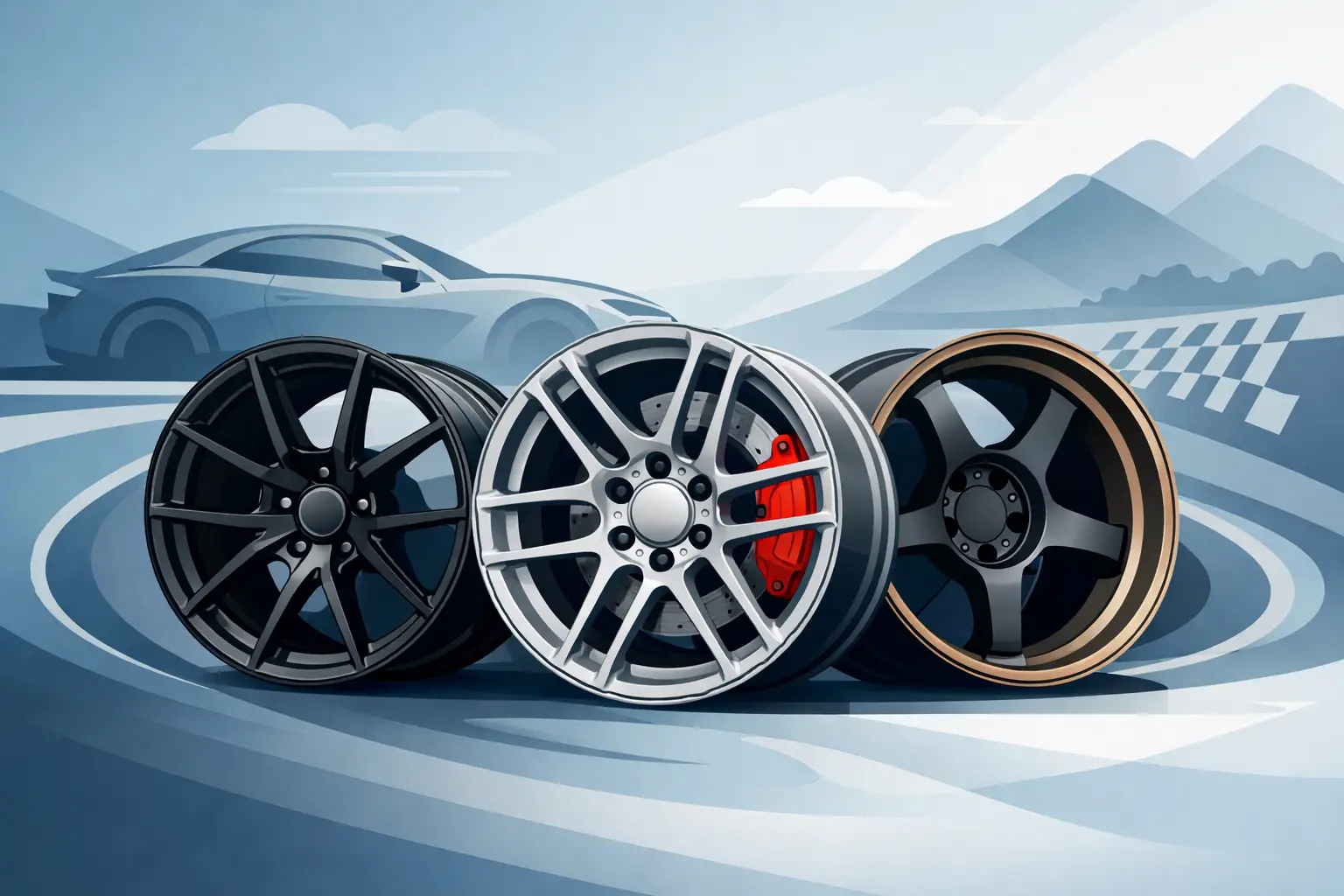
A wheel can change a vehicle’s stance in an afternoon, but aftermarket wheels are not simply a cosmetic purchase. The right set can sharpen steering response, create room for larger brakes, support a working truck’s load, or give a Jeep the tire clearance it needs off-road. The wrong set can rub, vibrate, overload, or compromise handling before the first tank of fuel is gone.
For cars, trucks, Jeeps, and SUVs, the best wheel choice starts with fitment and ends with a design that suits how the vehicle is actually used. Technology as an art form only works when the technology is right.
Start With Aftermarket Wheels That Actually Fit
Wheel fitment is a system, not a single measurement. A wheel may have the correct diameter and still be wrong for the vehicle because its bolt pattern, offset, center bore, width, or load rating does not match the application. Checking all of these specifications before ordering protects the investment in wheels, tires, suspension components, and brakes.
The bolt pattern must match exactly. It is expressed as the number of wheel studs and the diameter of the circle they form, such as 5×114.3 or 6×139.7. Similar-looking patterns are not interchangeable. Forcing a wheel onto the wrong bolt pattern can damage studs and create a serious safety issue.
Center bore matters as well. Many factory wheels are hub-centric, meaning the center bore carries the wheel precisely on the hub. An aftermarket wheel with a larger bore may be compatible when installed with properly sized hub-centric rings. A bore that is too small will not fit over the hub. Lug-centric installation is used in some applications, but it still requires the correct lug seat, hardware, and professional attention to torque.
Offset, Backspacing, and Width
Offset determines where the wheel sits in relation to the hub mounting surface. Positive offset places the mounting pad closer to the outer face of the wheel, pulling the wheel inward. Lower or negative offset pushes the wheel outward, which can create a wider, more aggressive stance.
That visual change has mechanical consequences. Too much inward position can contact suspension arms, struts, or brake components. Too much outward position can cause tire-to-fender rubbing, increase stress on wheel bearings, and throw road debris down the side of the vehicle. Backspacing provides another way to understand inside clearance, especially when selecting wheels for lifted trucks and Jeeps.
Wheel width must work with the selected tire. A wider wheel can support a wider tire and alter the contact patch, but extreme combinations may make steering feel heavier or cause uneven wear. A practical setup leaves adequate clearance at full steering lock and through the full range of suspension travel, not just while the vehicle is parked.
Choose Wheel Diameter for the Job
Larger diameter wheels are a style statement, but they are also a tire-sizing decision. Moving from a 17-inch wheel to a 20-inch wheel generally requires a lower-profile tire to maintain a similar overall diameter. That can improve steering precision and create a cleaner, more modern look, but it also leaves less sidewall to absorb potholes.
For a daily-driven sedan or SUV, maintaining near-stock overall tire diameter helps preserve speedometer accuracy, gearing, traction-control behavior, and ride quality. A modest plus-size fitment can work well when tire availability and road conditions support it. Oversizing only for appearance can leave the vehicle more vulnerable to bent wheels and tire damage.
Truck and Jeep owners often have different priorities. A smaller wheel diameter with a taller tire sidewall can be the smarter off-road configuration because it offers more compliance over rocks, ruts, and uneven terrain. It may also provide a wider selection of all-terrain or mud-terrain tires. Brake clearance sets the lower limit, so confirm that the wheel clears calipers before choosing a smaller diameter.
Match Materials and Construction to Your Use
Not every aftermarket wheel is built for the same purpose. Construction affects weight, price, appearance, and durability.
Cast aluminum wheels are common because they offer broad style selection at accessible price points. They are well suited to many daily drivers, street trucks, and appearance-focused builds when their load rating matches the vehicle.
Flow-formed wheels use a manufacturing process that stretches and strengthens the barrel after casting. They can reduce weight while improving material properties compared with conventional cast designs. For drivers who value responsive handling but do not need a premium forged wheel, this can be a strong middle ground.
Forged wheels are machined from a solid billet or forged blank and are often selected for high-performance or specialized applications. Their strength-to-weight potential is excellent, but the cost is significantly higher. They make the most sense when lower unsprung weight, exact specification, or demanding use justifies the investment.
Steel wheels remain a practical option for work vehicles, winter setups, and off-road use. They are typically heavier than aluminum, yet they are economical and may be easier to service after minor damage. The best material depends on the vehicle’s workload, terrain, budget, and desired finish.
Load Rating Is Not Optional
A wheel’s load rating must meet or exceed the load required at each wheel position. This is particularly important for full-size trucks, tow vehicles, commercial SUVs, and vehicles carrying tools, cargo, or trailers. A large wheel with an attractive finish is not automatically suitable for a heavy-duty application.
Consider the vehicle’s gross axle weight ratings rather than relying only on curb weight. If a truck is regularly loaded or towing, its rear axle can carry substantially more weight than it does during an empty test drive. Pair appropriately rated wheels with tires that have sufficient load capacity and inflation capability for the application.
Design Choices That Hold Up in Real Driving
Finish affects both appearance and maintenance. Gloss black, machined faces, bronze, silver, and polished styles each create a distinct result, but they react differently to brake dust, salt, road grime, and cleaning chemicals. A textured or satin finish often hides minor dust better than a high-gloss surface. Polished or chrome-style finishes can look exceptional, though they need more consistent care in harsh climates.
Spoke design also has a practical side. Open-spoke patterns can show off upgraded brakes and improve access for cleaning, while more complex multi-spoke designs may collect more brake dust. On trucks and SUVs, a wheel with adequate spoke and barrel clearance is essential if larger brake packages are planned.
Avoid choosing a wheel solely from a product image. Photos rarely show the relationship between offset, tire profile, suspension height, and fender clearance. A clean factory-style fitment can be as purposeful as a flush stance, while an off-road build may need a different offset and tire package entirely.
Plan the Supporting Parts Before Installation
Wheels are installed with more than lug nuts. Confirm the correct lug seat type, such as conical, ball, or mag seat, because the hardware must match the wheel’s mounting holes. Factory lug nuts do not always transfer to aftermarket wheels. Thread pitch, shank length, and socket access all matter.
If the vehicle uses a tire-pressure monitoring system, verify that the sensors can be transferred or replaced and programmed as needed. New valve stems, hub-centric rings, compatible center caps, and a properly sized spare plan can prevent frustrating details from becoming delays.
After installation, torque lug nuts to the vehicle or wheel manufacturer’s specification using a calibrated torque wrench. Recheck torque after the initial drive interval recommended by the wheel manufacturer or installer. If vibration appears, do not assume it will disappear with time. Have the tire-and-wheel assembly balanced and inspect the mounting surfaces, hub rings, and hardware.
FORTLUFT customers looking at wheels alongside tires, suspension, or exhaust upgrades should treat the build as one system. A vehicle that sits lower, rides higher, or carries more weight may need a different fitment strategy than a stock-height daily driver.
Buy for the Drive You Have, Not Just the Photo You Like
The strongest wheel setups look intentional because their specifications match their purpose. A commuter needs ride quality, tire availability, and reliable clearance. A towing truck needs load capacity. A Jeep needs room to articulate. A performance car may benefit most from a lighter wheel and carefully selected tire dimensions.
Choose the wheel that gives your vehicle the stance you want without asking the tires, suspension, brakes, or bearings to compensate for a poor fit. That is how an upgrade keeps looking right long after the first drive.