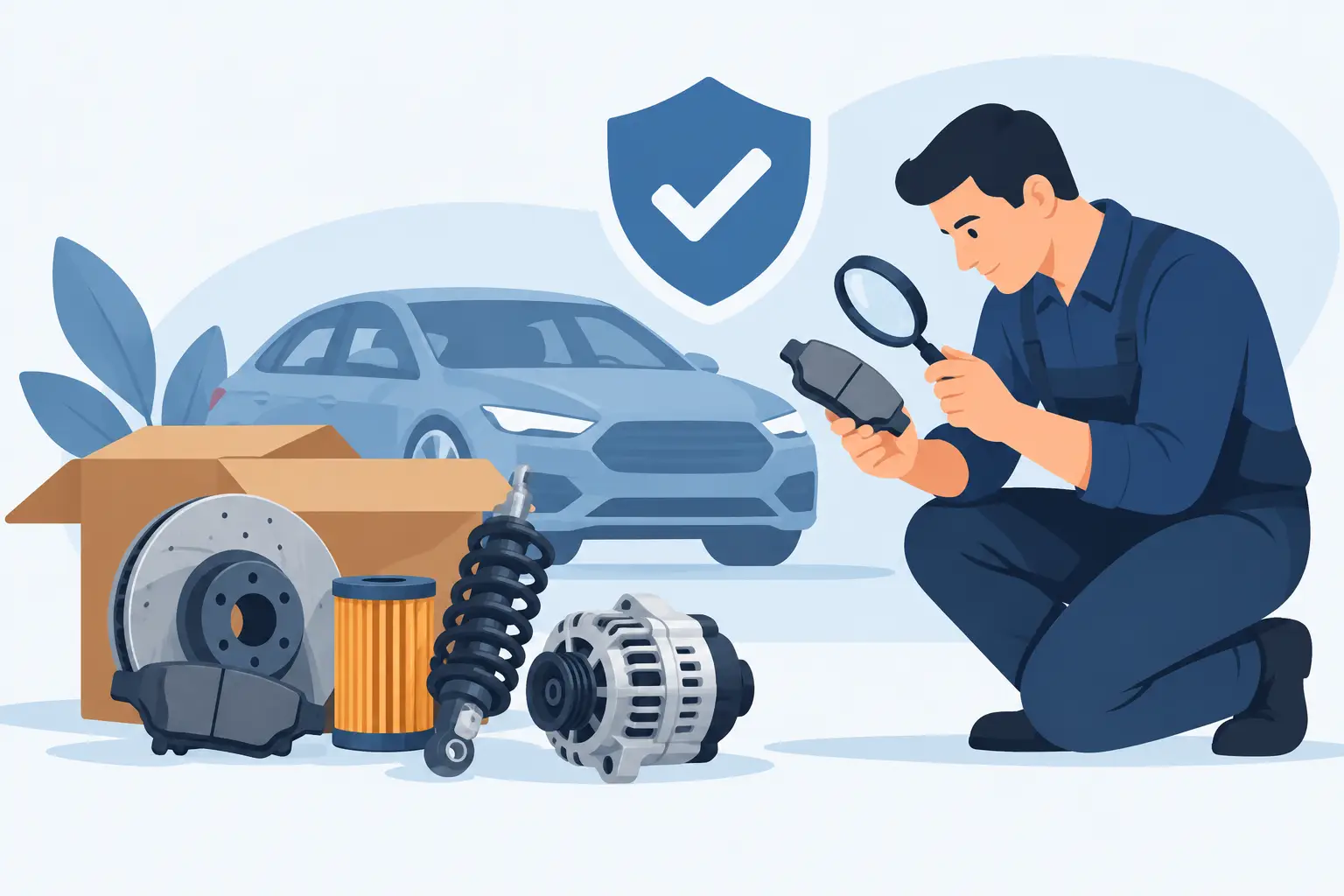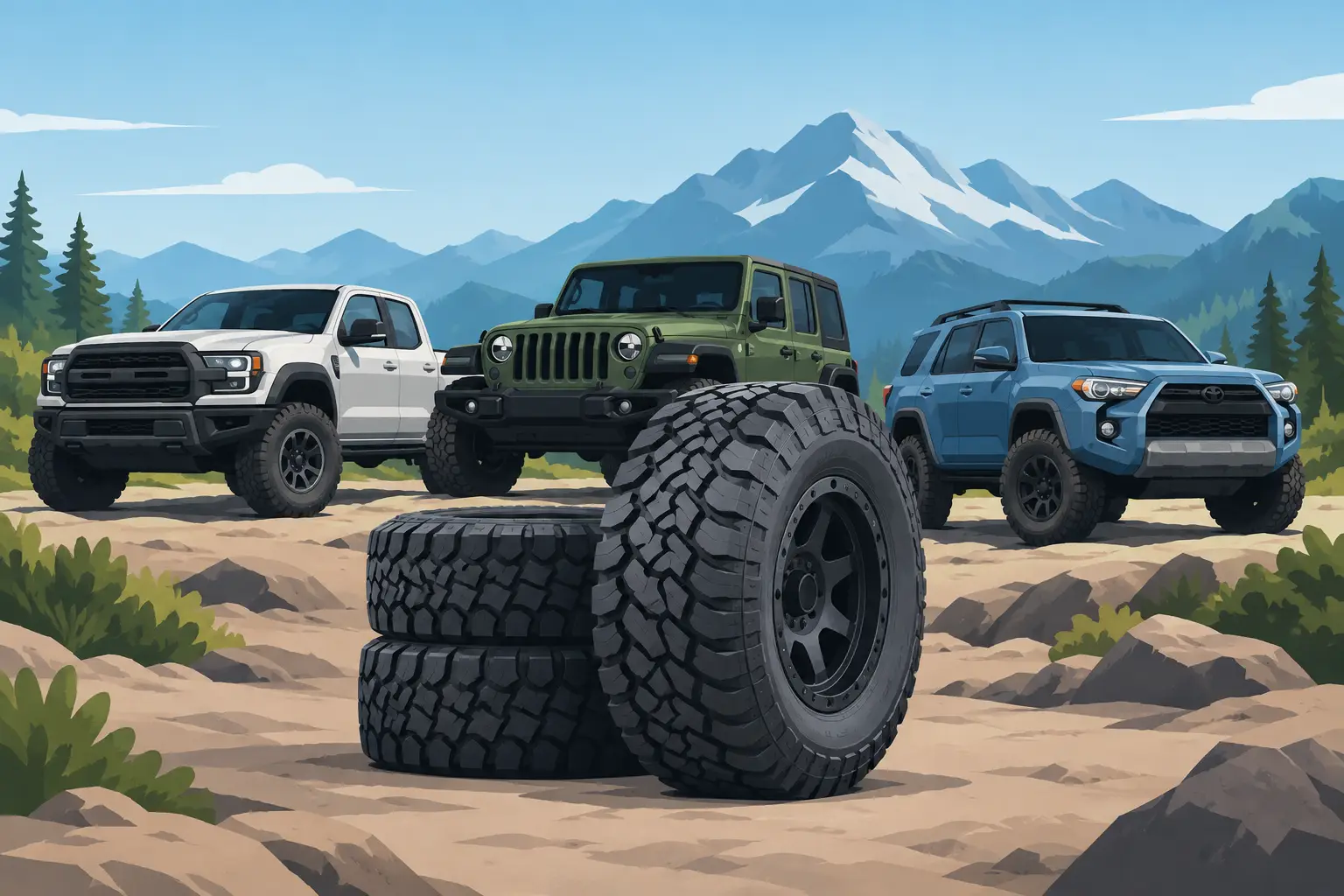
A wheel can look perfect in a product photo and still be wrong for the vehicle. A few millimeters of offset can change fender clearance, steering feel, and brake fitment. That is why wheel design is more than selecting a finish and counting spokes. The right wheel has to support the vehicle’s weight, clear its brakes, work with the intended tire, and deliver the stance or capability you expect.
For cars, trucks, Jeeps, and SUVs, the best choice begins with the vehicle’s actual use. A street-driven sedan needs different priorities than a lifted truck carrying equipment or a Jeep running rocky trails. Style matters, but fitment is what makes style work.
Wheel Design Starts With Fitment
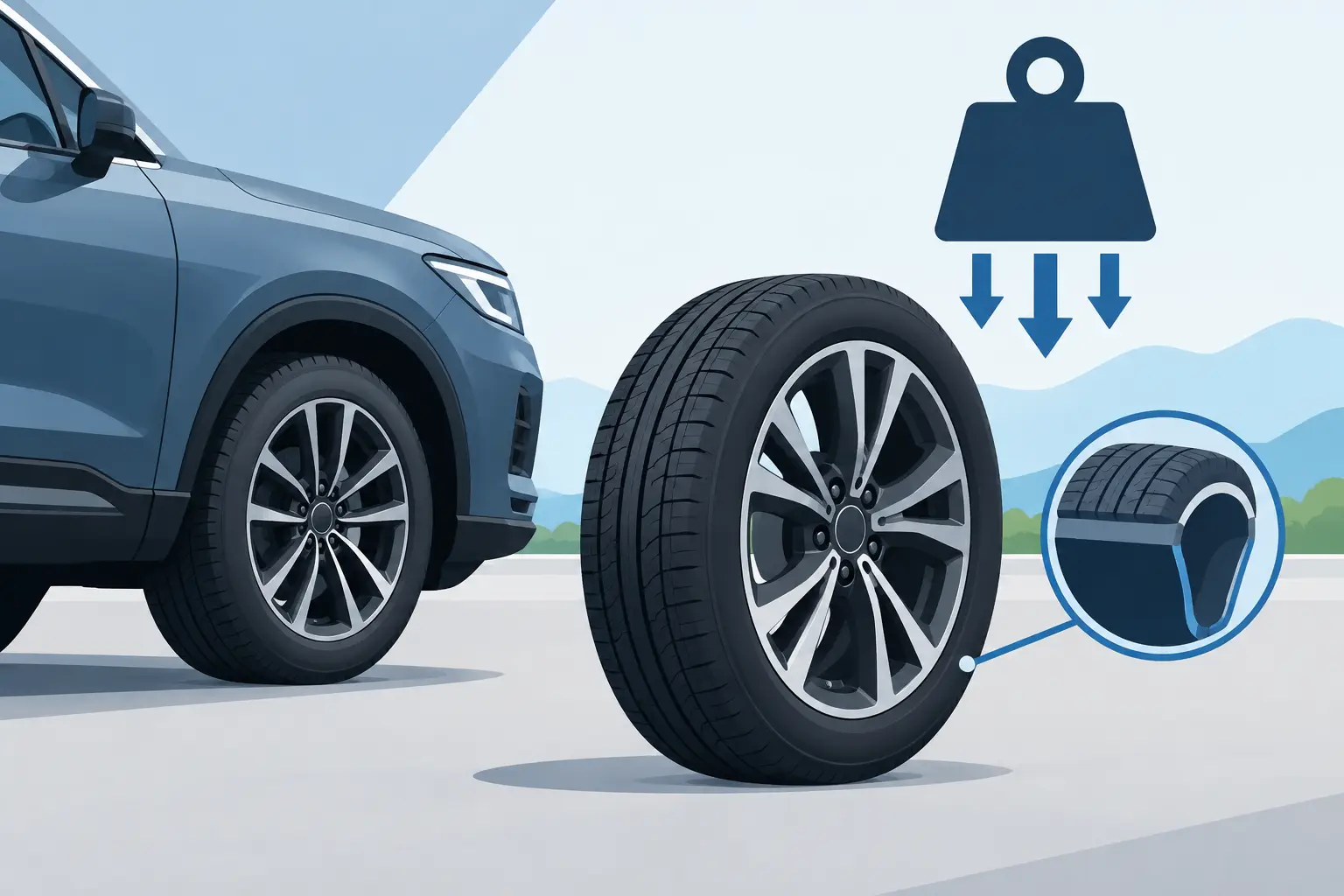
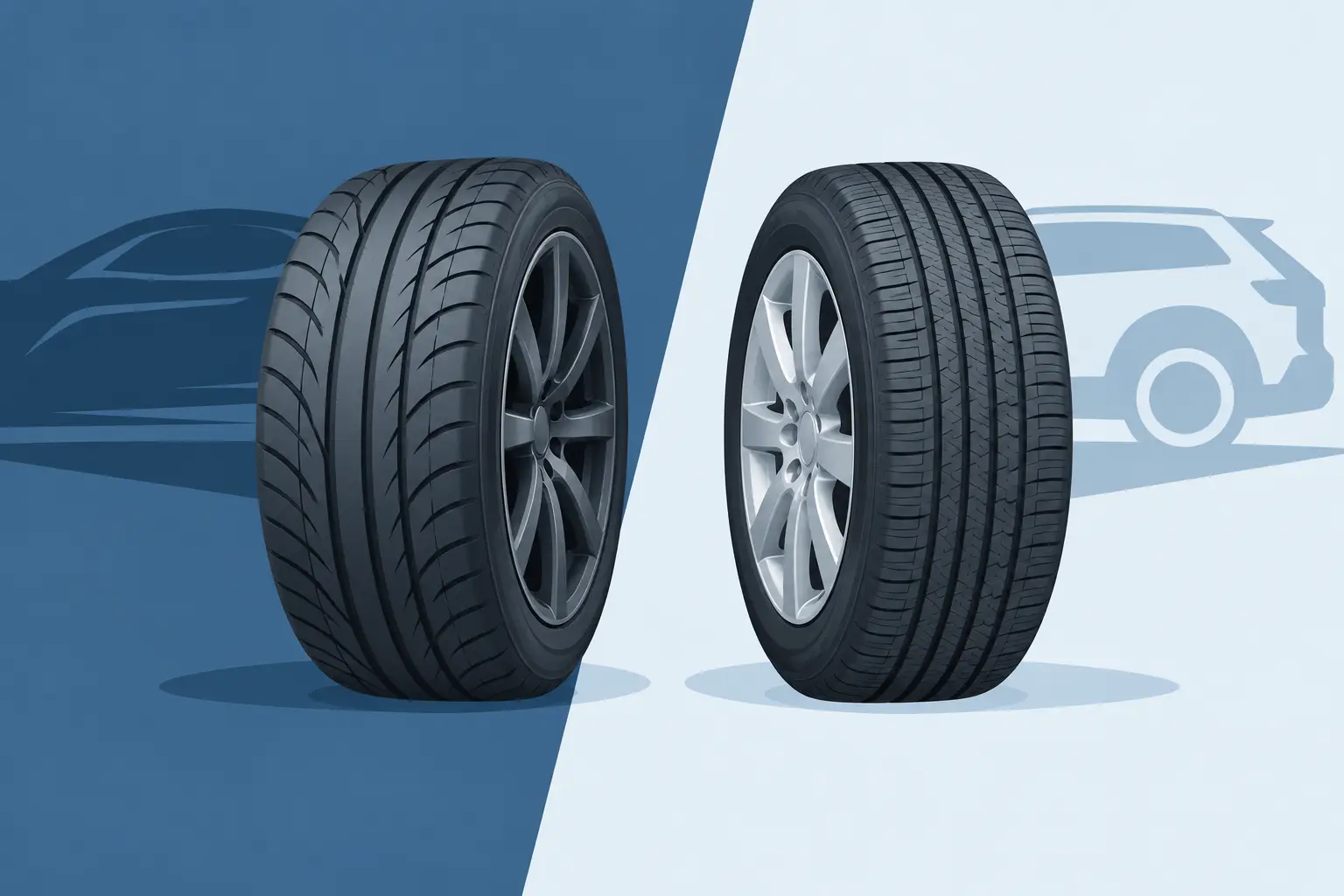
Wheel diameter is usually the first specification buyers notice. Larger diameters can create a more aggressive visual profile and allow room for larger brake packages. They also usually require a lower-profile tire to maintain overall tire diameter. That can sharpen steering response, but it may reduce ride comfort and leave less sidewall protection against potholes.
Smaller-diameter wheels generally allow a taller tire sidewall. That is useful for daily driving on rough pavement, towing applications, and off-road vehicles where tire flex and impact absorption matter. The correct diameter is not automatically the biggest size that fits. It is the size that supports your tire choice, brake clearance, ride goals, and vehicle application.
Width changes the tire footprint and the wheel’s position beneath the body. A wider wheel can support a wider tire, which may improve traction when the tire, suspension setup, and driving conditions all support that choice. But too much width can create rubbing at the fender liner, suspension components, or outer fender edge. It can also make a tire sit outside the body line, which is not legal or practical in every location.
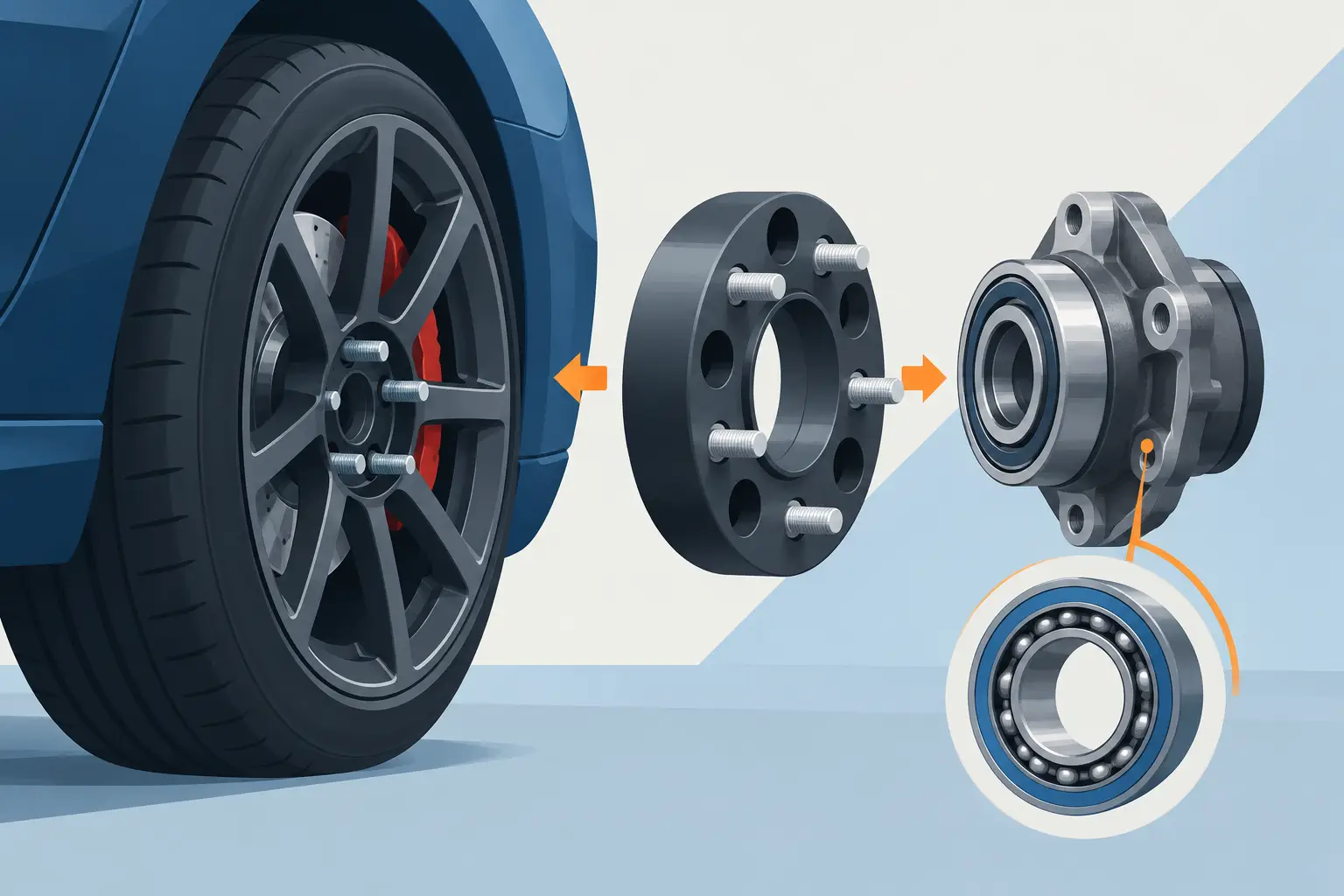
Offset and backspacing determine where the wheel sits in relation to the hub. Positive offset moves the mounting pad outward and generally pulls the wheel inward toward the suspension. Lower or negative offset pushes the wheel outward for a wider stance. Neither is universally better. A wheel that sits too far inward may contact struts, control arms, or brake hardware. One that sits too far outward can rub the fender, increase steering effort, and place additional leverage on suspension and wheel-bearing components.
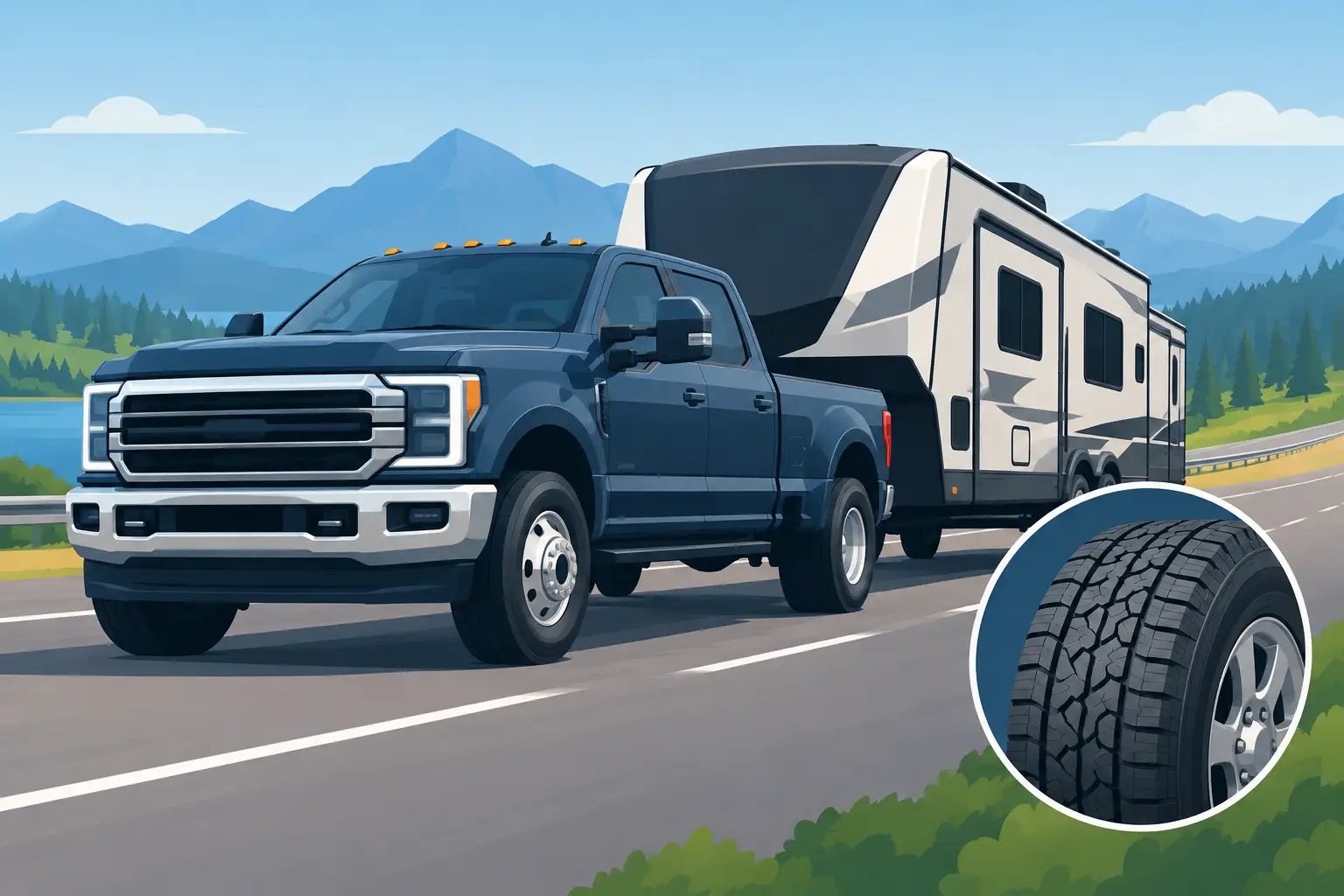
Bolt pattern, center bore, and load rating are equally non-negotiable. The wheel must match the vehicle’s bolt pattern and seat correctly on the hub. If hub-centric rings are required for an aftermarket wheel, they should be specified for the exact wheel and vehicle combination. Trucks and SUVs especially need a wheel load rating that meets or exceeds the demands of the vehicle, passengers, cargo, and towing use.
How Wheel Design Affects Performance and Appearance
Spoke layout is where engineering and visual character meet. Open, split-spoke, mesh, directional, and multi-spoke patterns can give a vehicle a completely different presence. Yet the space between those spokes also affects brake visibility, airflow, and access for cleaning.
Brake Clearance and Cooling
A wheel can have the right diameter and still fail to clear a large brake caliper. Spoke shape, barrel profile, and mounting-pad thickness all influence caliper clearance. This is especially relevant when upgrading brakes or fitting wheels to performance trims that use larger factory calipers than base models.
More open wheel designs can promote airflow around the brakes and make performance hardware visible. They also expose the wheels to brake dust more readily. Dense mesh patterns can look refined and motorsport-inspired, but they typically take more time to clean. Choose based on the result you want to live with, not just the appearance you see on installation day.
Strength, Weight, and Driving Feel
Cast aluminum wheels offer a practical balance of cost, styling options, and everyday durability. Quality varies by construction and application, so fitment and load ratings still matter. Flow-formed wheels use a process that can reduce weight and improve material properties in the barrel area compared with conventional casting. Forged wheels are often selected when low weight, strength, and precise engineering are priorities, though they usually carry a higher price.
Reduced wheel weight can help suspension response because the suspension has less unsprung mass to control. The difference is not always dramatic in normal commuting, and a lighter wheel is not automatically stronger for every application. For a work truck or trail vehicle, impact resistance and rated capacity may matter more than saving a few pounds. For a sports car, weight and brake clearance may deserve more attention.
Match the Wheel to How You Drive
A daily-driven car benefits from a wheel and tire package that preserves practical ride quality, turning clearance, and replacement-tire availability. A moderate diameter increase paired with the right tire profile can update the vehicle’s appearance without turning every pothole into a concern.
For trucks, wheel selection has to account for load, towing, brake size, and the intended tire. A wider stance may improve visual presence, but it can also create tire rub at full lock or under suspension compression. If the truck will tow or carry heavy cargo, choose rated components first and appearance second.
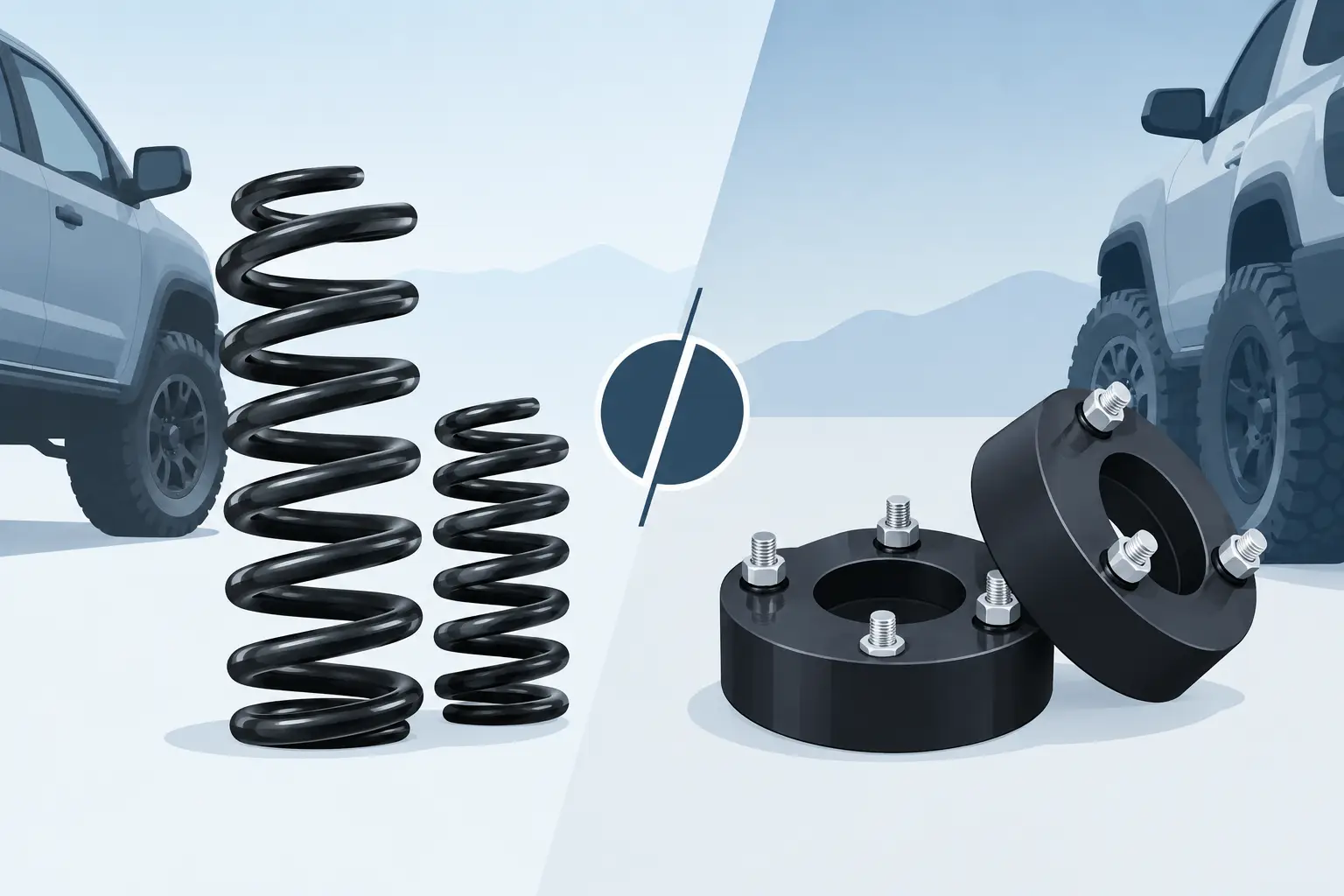
Jeeps and off-road SUVs add another layer of decision-making. Backspacing can affect clearance to control arms and suspension parts, while tire size may require a lift, trimming, or both. Wheels for trail use should be selected with durability, tire sidewall protection, and serviceability in mind. An aggressive offset may look right at the curb but can create unnecessary stress or rubbing on the trail.
Performance SUVs often need the most careful brake and load checks. Their larger curb weights, high-output engines, and substantial factory brake systems leave little room for guesswork. Verify the exact trim, including factory brake package, before ordering.
Finish Is Part of the Ownership Experience
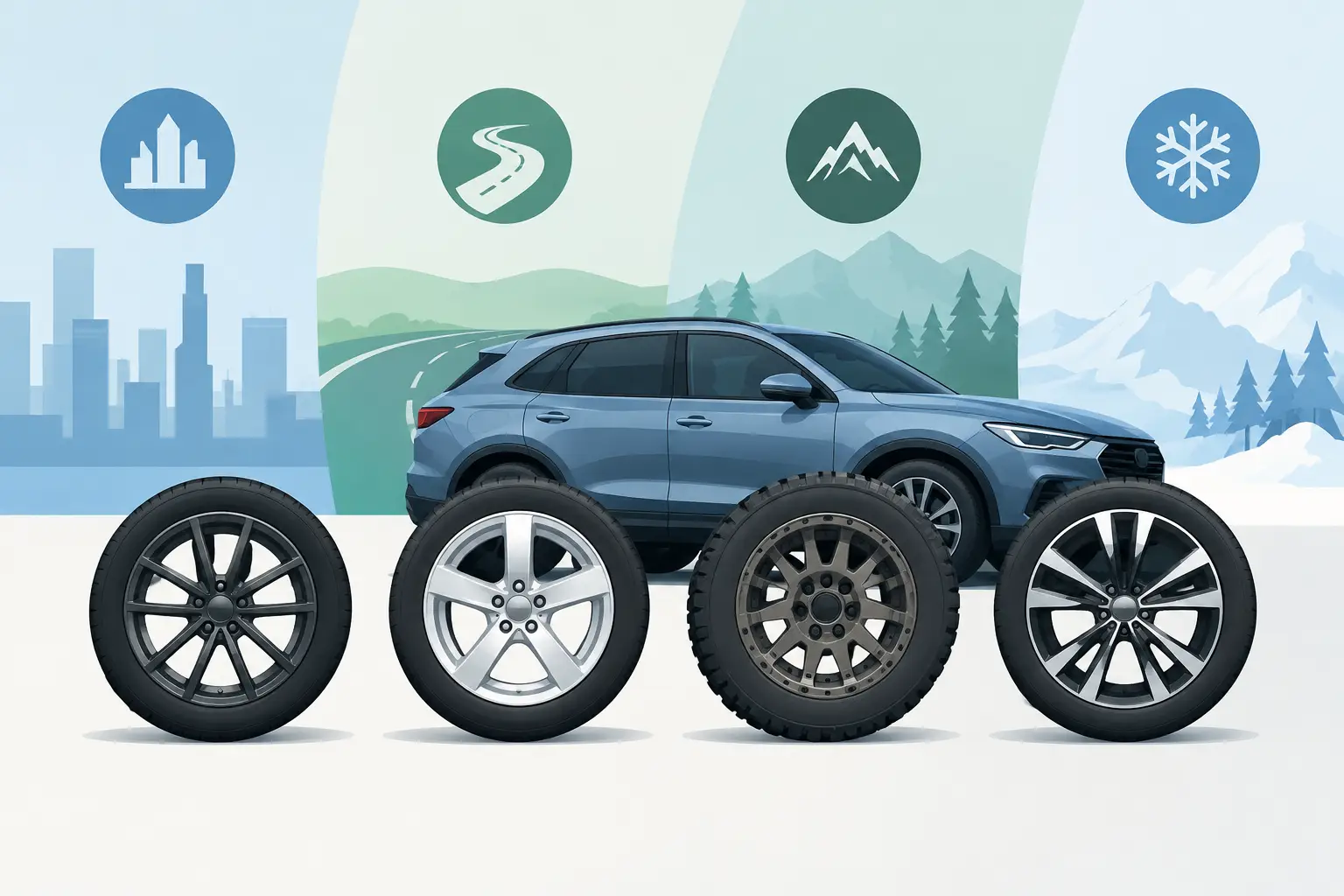
Black, machined, silver, bronze, and polished finishes all change the vehicle’s character, but they also age differently. Gloss black can create a clean, modern contrast, especially on light-colored vehicles, while matte and satin finishes can better disguise minor dust. Machined faces add definition under changing light, though road salt and damaged clear coat can make maintenance more demanding.
For vehicles exposed to winter roads, mud, sand, or frequent wash cycles, finish durability deserves serious consideration. Clean wheels with products appropriate for the finish, and address chips before corrosion spreads beneath the coating. Avoid harsh tools that can scratch clear-coated or polished surfaces.
At FORTLUFT, the same design-aware approach that applies to exhaust and exterior upgrades applies to wheels: the right visual detail should serve the vehicle, not fight it.
Check These Details Before You Order
A wheel purchase should be based on verified specifications, not a similar-looking vehicle on social media. Before committing to a setup, confirm these four points:
- Exact year, make, model, trim, and brake package
- Wheel diameter, width, bolt pattern, center bore, offset, and load rating
- Tire size, overall tire diameter, and approved wheel-width range
- Clearance at full steering lock and throughout suspension travel
If you are changing more than one variable, such as adding a lift, wider tires, and lower-offset wheels, treat the package as a system. A configuration that clears in a parking lot may still rub under a full turn, a loaded suspension, or off-road articulation. Professional installation and a test fit are worthwhile when brake clearance or body clearance is tight.
The best wheel choice gives your vehicle a deliberate look without creating a new problem to solve. Start with verified fitment, choose a construction suited to the load and terrain, then select the spoke pattern and finish that make the vehicle feel like yours. That is technology as an art form with a purpose behind it.