What Is Tire and Wheel Protection?

A bent rim after one hard pothole hit can turn a normal commute into an expensive afternoon. A sidewall bubble from road debris can do the same. If you have ever looked at a repair bill for a damaged wheel or a ruined tire, you have probably asked: what is tire and wheel protection, and is it actually worth paying for?

What is tire and wheel protection?

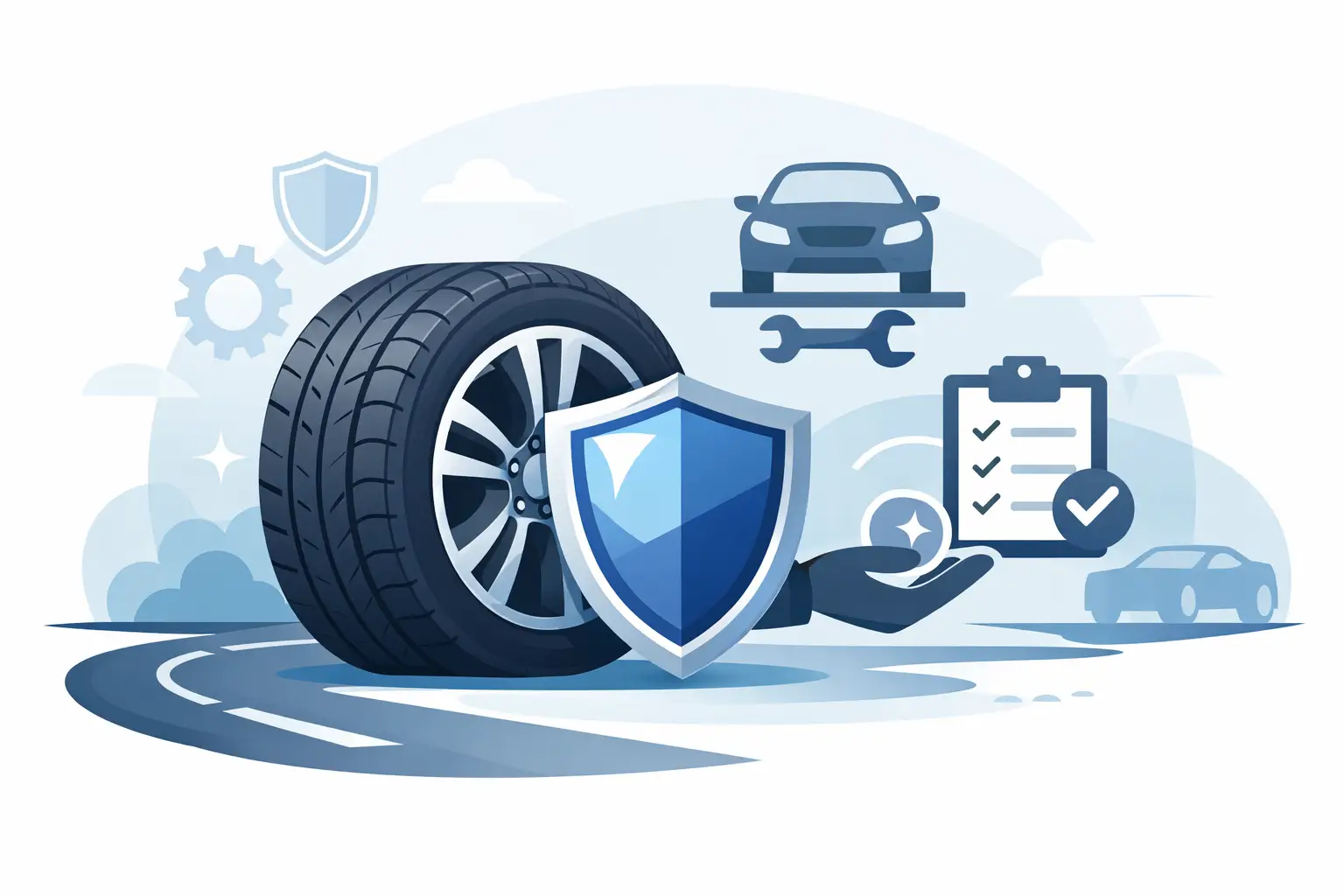
Tire and wheel protection is a service contract or coverage plan that helps pay for repair or replacement when a tire or wheel is damaged by road hazards. In plain terms, it is designed for the kind of damage drivers cannot always avoid – potholes, nails, broken pavement, metal debris, glass, or other objects in the road.

This is not the same thing as a manufacturer warranty. A tire warranty usually covers defects in materials or workmanship. Tire and wheel protection is focused on accidental damage that happens during normal driving.

That distinction matters. If a wheel cracks because of an impact, or a tire is punctured by a nail and cannot be safely repaired, standard product warranties often will not help. A protection plan may.

What tire and wheel protection usually covers

Coverage varies by provider, but most plans are built around road hazard damage. That usually includes punctures, impact breaks, sidewall damage, bent wheels, and in some cases cracked wheels. If a tire can be safely repaired, the plan may pay for that repair. If it cannot, the plan may cover replacement.

Wheel coverage often applies when the wheel becomes structurally compromised and can no longer hold air or operate safely. Cosmetic damage is a separate issue. A scraped wheel face from curb contact may not be included, even if the wheel looks rough afterward.

Some plans also cover related costs such as mounting, balancing, valve stems, and disposal fees. Higher-tier coverage may include alignment checks or even roadside assistance, but that is not standard across the board.

The key point is simple: tire and wheel protection is usually about functional damage from road hazards, not every form of wear or appearance issue.

What is not usually covered

This is where many buyers get tripped up. Tire and wheel protection sounds broad, but every plan has exclusions.

Normal tread wear is almost never covered. Neither is damage caused by improper inflation, overloading, racing, off-road abuse, vandalism, collision damage, or neglected maintenance. If a tire wears out because alignment was off for 15,000 miles, that is a maintenance problem, not a road hazard claim.

Cosmetic wheel damage is another common exclusion. If you curb a wheel while parking and the finish is scraped, many plans will not pay for refinishing or replacement unless the damage also affects safe operation.

There is also a fitment angle. If you are running oversized wheels, low-profile tires, or a custom setup, you need to read the contract carefully. Some plans are built for factory-size replacement only. Others allow upgraded aftermarket wheel and tire packages, but not all.

Why drivers buy it

The value of tire and wheel protection comes down to one thing: modern wheel and tire packages are not cheap. Larger diameter wheels, lower-profile tires, and performance-oriented fitments can look sharp and improve handling response, but they also tend to leave less cushion between the road and the rim.

That means one pothole can do more damage than many drivers expect. Trucks, Jeeps, and SUVs are not immune either. Heavier vehicles put more load into the wheel and tire assembly, and urban roads, construction zones, and winter pavement damage create risk no matter what you drive.

For buyers who care about both function and appearance, this matters even more. A wheel is not just a rolling component. It is part of the vehicle’s stance, fit, and overall visual finish. Protecting that investment can make sense when replacement costs are high.

When tire and wheel protection makes sense

If you drive in areas with rough roads, recurring potholes, or constant construction, coverage is easier to justify. The same goes for drivers who log serious mileage, commute daily, or travel on roads where debris is common.

It can also make sense if your vehicle uses expensive tires, large wheels, or low-profile fitments. A single replacement on a premium setup may cost enough to offset much of the plan price.

Newer vehicles are another case where buyers often consider it. Repair costs tend to feel more frustrating when the vehicle is new, and many owners want predictable expenses during the first few years.

For business buyers, shops, and fleet operators, the math is different but still practical. Downtime costs money. If coverage speeds up replacement decisions and limits surprise expenses, it may support smoother operations.

When it may not be worth it

Not every driver needs it. If you drive limited miles, stay mostly on well-maintained roads, and use affordable replacement tires in common sizes, a protection plan may offer less value.

It may also be unnecessary if the plan cost is high relative to the actual wheel and tire package on the vehicle. Spending heavily to protect a low-cost setup does not always pencil out.

The same caution applies if the coverage has a long list of exclusions, a difficult claims process, or low reimbursement caps. A cheap-looking plan is not a good deal if it does not pay out when you need it.

This is one of those areas where the right answer depends on your vehicle, your driving environment, and the replacement cost of the parts involved.

What to check before you buy

If you are comparing plans, do not stop at the headline price. Read the details with the same attention you would give wheel specs or tire load ratings.

First, verify whether the plan covers repair only, replacement only, or both. Then check whether it covers both tires and wheels, or just tires. Some buyers assume wheel damage is included when it is not.

Look at claim limits, deductible requirements, and the number of claims allowed. Some plans cover unlimited eligible repairs but limit replacements. Others are prorated, which means reimbursement may change over time.

You should also confirm whether aftermarket wheels are eligible. For enthusiasts and style-conscious buyers, this is a major point. If your vehicle runs an upgraded package, the contract needs to match the setup actually on the vehicle.

Finally, check the claim process. Fast approvals, clear documentation requirements, and straightforward reimbursement matter. Good coverage on paper loses value if it is a hassle to use.

What is tire and wheel protection compared with road hazard warranty?

These terms are often used interchangeably, but they are not always identical. A road hazard warranty is usually tied directly to the tire purchase and covers damage from hazards encountered on the road. Tire and wheel protection may be broader because it can include wheel repair or replacement and related service costs.

Still, providers use different language. One company may market road hazard coverage as part of a tire package, while another sells a separate tire and wheel protection contract. The real answer is in the coverage terms, not just the label.

How claims usually work

Most claims start with an inspection. The damaged tire or wheel is evaluated to confirm that the issue came from a covered road hazard rather than wear, neglect, or misuse. If the tire is repairable under industry safety standards, the plan may approve a repair. If not, replacement may be authorized.

For wheels, the provider may determine whether repair is safe and appropriate or whether full replacement is required. Structural damage typically matters more than surface appearance.

Documentation is usually part of the process. Expect to keep your original purchase records and maintenance history. If the plan requires proper tire rotations or inflation maintenance, missing records can create problems.

The bottom line for real-world buyers

What is tire and wheel protection? It is a way to reduce the financial hit from road hazard damage to one of the most exposed and expensive parts of your vehicle. For some drivers, it is smart insurance against bad pavement and bad luck. For others, it is an add-on they may never use.

The best approach is to look at the actual wheel and tire package on your car, truck, Jeep, or SUV, then compare that cost against the price and terms of the plan. If the coverage is clear, the claims process is reasonable, and your roads are rough enough to make damage likely, it can be money well spent.

A wheel and tire setup does more than keep a vehicle moving. It affects safety, ride quality, and the way the vehicle presents itself on the road. Protect it with the same level of attention you give every other part that matters.
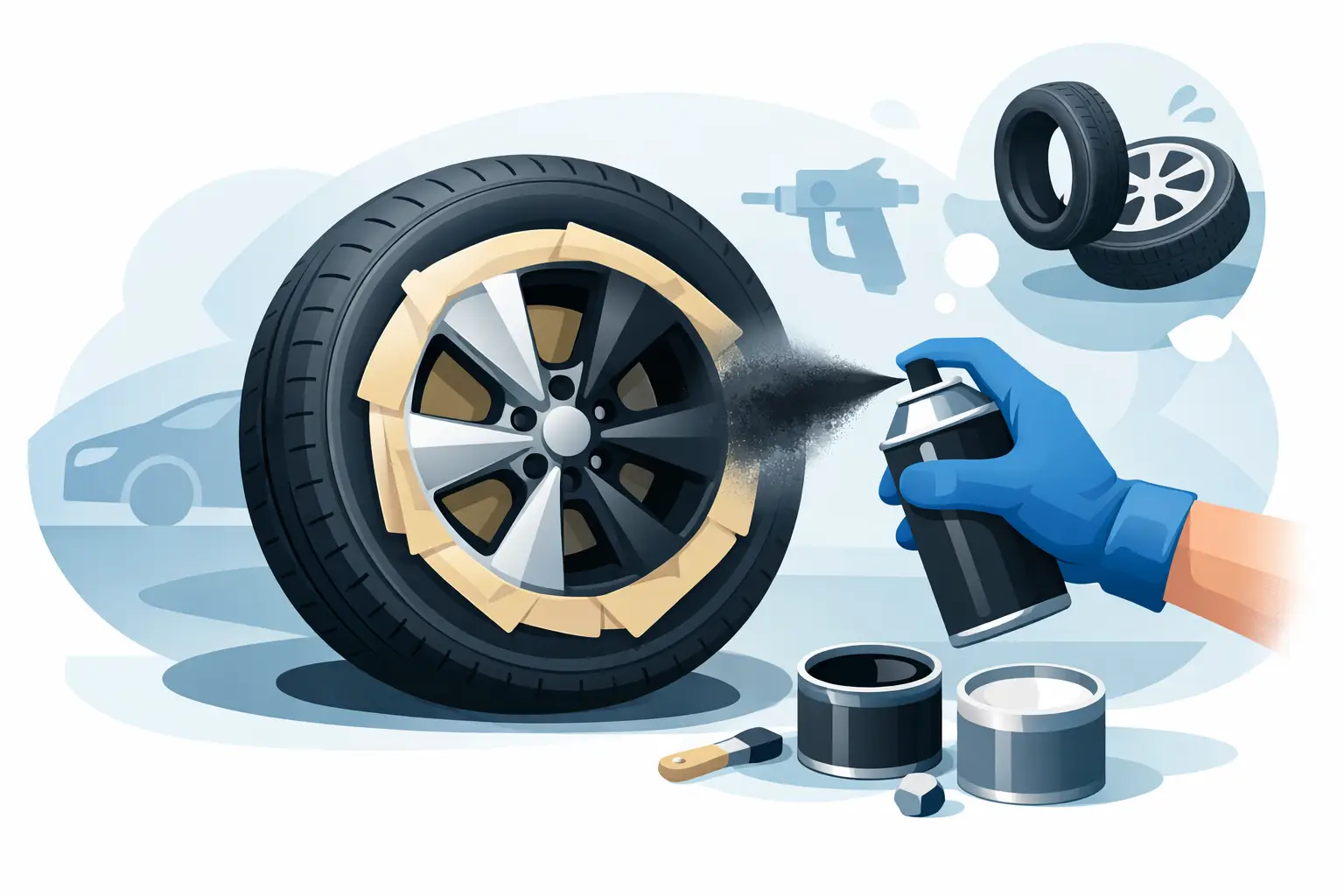
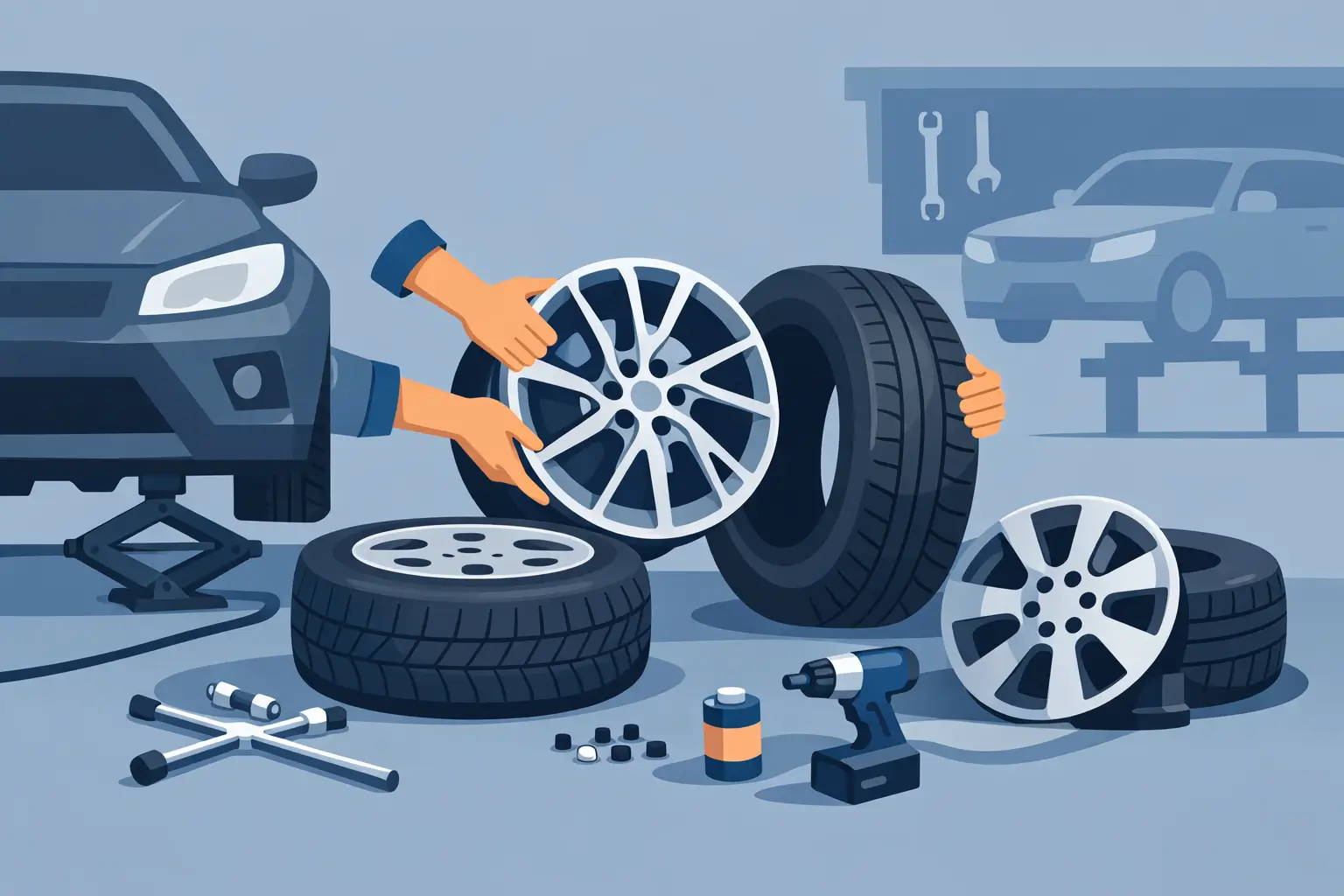
Can You Paint Wheels With Tires On?

A wheel can make a clean truck or SUV look finished, or make the whole vehicle feel tired. That is why the question comes up so often: can you paint wheels with tires on? Yes, you can – and plenty of DIY owners do it successfully – but the result depends almost entirely on prep, masking, and realistic expectations.

If you want a quick cosmetic refresh, painting wheels with the tires still mounted is usually possible. If you want a near-factory finish that will hold up to road salt, brake dust, and close inspection, removing the tire from the wheel is still the better route. The difference is not just convenience. It is about how much of the wheel you can properly clean, sand, and coat.

Can You Paint Wheels With Tires On Without Ruining the Tire?

You can paint wheels with tires on without damaging the tire, as long as you mask carefully and use products intended for automotive surfaces. The biggest risk is not chemical damage to the rubber. It is overspray, uneven edges near the bead, and trapped dirt where the tire meets the wheel.

That bead area is where shortcuts show. If brake dust, old tire dressing, or road film is left behind, paint can lift early. On a daily driver, that often means chipping around the lip within a few weeks or months. On a weekend build, the finish may last longer simply because it sees less abuse.

So the honest answer is yes, but with limits. Mounted tires make the job faster and cheaper. They also make it harder to achieve a crisp finish around the edge and inside tight contours.

When Painting Wheels With Tires On Makes Sense

There are situations where leaving the tires mounted is the smart move. If the wheels have light curb rash, faded clear coat, or a worn finish that you want to improve without paying for tire dismounting, this method is practical. It is also useful when the goal is appearance, not full restoration.

For many drivers, especially those refreshing stock wheels on a commuter, Jeep, or work truck, the time savings are worth it. You avoid the extra labor of breaking down each tire, and the wheel can still look dramatically better from five feet away – and often from much closer if the prep is done right.

This approach also works well on wheels that are already mounted on older tires you plan to replace later. If a new tire set is coming soon, painting now can be a reasonable interim upgrade.

When You Should Remove the Tires First

There are also clear cases where painting wheels with tires on is not the right move. If the wheels have severe corrosion, peeling finish near the bead, or deep curb damage, mounted tires get in the way of proper repair. The same goes for powder coating or any finish where complete stripping and curing are part of the process.

High-end wheels deserve more precision. If you are working with polished lips, machined surfaces, or a wheel design with a lot of exposed barrel area, tire removal gives you better access and a more professional edge. The finish will usually last longer because you can prep the entire face and lip correctly.

If you are already investing in a premium look, do not let a shortcut define the result.

How to Paint Wheels With Tires On the Right Way

The process is straightforward, but the finish depends on discipline. Rushing between steps is what creates fish-eyes, peeling, and rough texture.

Start by removing the wheel from the vehicle. You can technically paint it while it is still bolted on, but that makes cleaning harder and raises the chances of overspray hitting brake components or body panels. Once the wheel is off, wash it thoroughly with soap and water, then use a dedicated degreaser or wax-and-grease remover. Brake dust is stubborn, and any tire shine residue near the edge can ruin adhesion.

After cleaning, address damage. Light curb rash can be smoothed with sandpaper. Flaking clear coat should be feathered out so the new paint does not sit on a failing layer. If the old finish is stable, you do not always need to strip to bare metal, but you do need to scuff the surface enough for primer or paint to bite.

Masking is where mounted tires either work or fail. Some DIY painters use playing cards tucked between the wheel lip and tire sidewall. Others use masking tape and paper or plastic. The card method is popular because it creates a clean edge quickly, but tape still helps in areas where cards shift or leave gaps. The key is full coverage of the tire sidewall and valve stem, with no exposed rubber near the edge.

Once masked, apply a light, even primer if your paint system calls for it. Then build color in thin coats instead of trying to cover everything at once. Heavy coats are what cause runs and soft finish lines near the tire. Let each coat flash properly. Finish with clear coat if the paint type requires it and if you want more gloss and durability.

Then let it cure. Not dry to the touch – cure. Mounting the wheel back on too soon or washing it too early is one of the easiest ways to ruin a decent job.

The Biggest Mistakes DIY Painters Make

Most bad wheel paint jobs do not fail because the tires stayed on. They fail because the wheel was not truly clean. Tire dressing sling, silicone residue, and old brake dust are constant problems. If the surface feels slick anywhere, it is not ready.

The next mistake is poor sanding. Paint needs mechanical adhesion. Spraying over glossy factory clear without scuffing it enough may look fine on day one and peel later.

Then there is product choice. General-purpose spray paint is rarely the best option for wheels, which deal with heat cycles, road grime, and constant impact from debris. Wheel-specific paint systems are usually the smarter call because they are formulated for harsher conditions.

Finally, many people ignore the inside of the spokes and the outer lip. Those are the zones your eye catches first. If coverage is thin there, the wheel never looks fully refinished.

What Kind of Finish Should You Expect?

If you paint carefully, mounted-tire wheel refinishing can look very good. It can absolutely transform the appearance of a vehicle, especially if the original finish is faded or stained. On black, silver, graphite, or gunmetal wheels, the visual improvement is often strong enough to make the whole vehicle feel newer.

But this method has a ceiling. It is not the same as a stripped, repaired, professionally coated wheel with the tire removed. Edges may not be quite as sharp. Durability may be lower around the bead. Tiny imperfections in prep are more likely to show up over time.

That does not make it a bad choice. It just means the right standard is improvement, not perfection.

Is It Better to Paint, Powder Coat, or Replace?

It depends on the wheel, the budget, and the goal. Paint is the fastest and most accessible option. Powder coating is tougher and often cleaner-looking, but it requires full tire removal and more downtime. Replacement makes sense when the wheel is heavily damaged, structurally questionable, or simply not the style you want anymore.

For many owners, paint is the sweet spot. It delivers a visual upgrade without the cost of a new wheel set. If the wheel is sound and the finish is the main issue, refinishing can be a smart move.

That is especially true when appearance matters as much as function. Wheels are one of the clearest examples of automotive design doing real work. They take abuse every day, but they also define stance, contrast, and presence. Technology as an art form only works when both sides show up.

So, Can You Paint Wheels With Tires On?

Yes – and for the right vehicle, budget, and expectations, it is a solid DIY job. Just do not confuse possible with effortless. The tire can stay on, but the standards for cleaning, masking, and coating still need to stay high.

If you want a clean refresh, this method can deliver. If you want the best edge quality and longest-lasting finish, remove the tire first. Either way, the wheel deserves the same attention you would give any visible performance part. A strong look starts with surfaces that are prepared like they matter.

How to Change Tires and Rims Right

A bad wheel swap usually starts with confidence. The jack goes under the wrong point, the lug nuts come off in a rush, and the new rim looks perfect right up until vibration shows up at 55 mph. If you are learning how to change tires and rims, the goal is not just getting the vehicle back on the ground. It is getting the fit, torque, and contact patch right so the vehicle drives the way it should.

For DIY owners, this job sits at the intersection of maintenance and style. A fresh set of tires restores grip and braking. A new set of rims can sharpen the entire stance of a car, truck, Jeep, or SUV. Done correctly, the result is functional and visual. Done carelessly, it can create safety issues, uneven wear, or damage to studs, sensors, and suspension components.

What to know before you change tires and rims

Before touching a lug nut, confirm that the new tire and wheel package actually fits your vehicle. That means more than matching bolt count. You need the correct bolt pattern, wheel diameter, wheel width, center bore, offset, and tire size. If one of those is off, the wheel may bolt on but still rub the brake caliper, sit too far inward, or push too far outward.

This is where many swaps go wrong. A rim that looks aggressive on a product page may not work with your brake setup or suspension travel. Tire size matters just as much. Going too tall can affect speedometer accuracy and clearance. Going too wide can change steering feel and increase rubbing at full lock. There is no single best upgrade size for every vehicle. It depends on intended use, suspension height, and how much ride comfort you want to keep.

If your vehicle uses a tire pressure monitoring system, plan for that too. Some wheels accept factory sensors easily. Others require a different sensor shape, valve stem, or relearn procedure after installation.

Tools that make the job cleaner and safer

You do not need a full shop, but you do need the right basics. A quality floor jack is better than the emergency jack included with most vehicles. Jack stands are not optional if the vehicle will be off the ground for more than a quick roadside tire change. You will also want a lug wrench or breaker bar, a torque wrench, wheel chocks, gloves, and a tire pressure gauge.

If you are changing the tire on the rim, not just swapping complete wheel-and-tire assemblies, that is a different level of job. Mounting and balancing tires properly requires dedicated equipment. Most DIY owners should remove the old assemblies and have the tires mounted and balanced by a shop. It is faster, more precise, and easier on the wheel finish.

How to change tires and rims step by step

Start on a flat, solid surface. Put the vehicle in park or in gear if it is a manual, set the parking brake, and chock the wheels that will stay on the ground. Then loosen the lug nuts slightly before lifting the vehicle. Do not remove them yet. Breaking them loose while the tire is still planted keeps the wheel from spinning.

Next, place the jack at the correct lift point. Your owner’s manual shows these locations, and using them matters. Lift the vehicle until the tire clears the ground, then support it with jack stands if you will be working for more than a moment.

Remove the lug nuts fully and pull the wheel off. If it sticks from corrosion, do not hammer the rim face. A firm hit to the tire sidewall with your hand or a rubber mallet usually frees it. Once the wheel is off, inspect the hub surface. Dirt, rust, and scale can keep the new rim from sitting flush, which leads to wobble and improper torque. Clean the mounting surface with a wire brush until it is smooth.

Now test-fit the new rim before committing to the full swap. Check caliper clearance, center bore fit, and stud engagement. If the wheel needs hub-centric rings, install them now. If your setup uses a specific lug seat style, make sure your lug nuts match the wheel. Conical-seat, ball-seat, and shank-style hardware are not interchangeable just because they thread on.

Mount the new wheel and hand-thread the lug nuts. Tighten them in a star pattern so the wheel seats evenly against the hub. Lower the vehicle just enough for the tire to touch the ground lightly, then use a torque wrench to tighten the lug nuts to the vehicle manufacturer’s specification, again in a star pattern. Final torque matters. Too loose and the wheel can work itself free. Too tight and you risk stretched studs or warped brake components.

Repeat the process at each corner. After that, set tire pressure to the correct spec for your vehicle and tire setup. If you installed a different wheel and tire package, the pressure printed on the tire sidewall is not the target number. Use the vehicle recommendation as your baseline, then adjust only if your application calls for it.

Changing tires on rims is not the same as swapping assemblies

A lot of people use the phrase how to change tires and rims when they mean replacing one complete wheel assembly with another. That is the easy version. The harder version is separating the tire from the old rim, mounting it onto a new rim, and balancing it.

That second job requires a tire machine, a balancer, and enough care to avoid scratching the wheel or pinching the bead. Low-profile tires and larger aftermarket rims make it even more demanding. If your goal is a professional result, especially on a premium finish, this is usually where a shop earns its keep.

There is no loss of DIY credibility in outsourcing mounting and balancing. In fact, it is often the smarter move. Handle the fitment planning and vehicle-side installation yourself, and let a machine do the part that needs machine-level precision.

Fitment details that affect performance and appearance

Rims change more than looks. Offset alters where the wheel sits relative to the hub. A lower offset pushes the wheel outward for a wider stance, but too much can increase scrub radius, stress wheel bearings, and throw debris down the body side. A higher offset pulls the wheel inward, which may clean up the look but can create suspension or brake clearance issues.

Wheel width and tire width should also work together. Stretching a narrow tire onto a wide rim may create a certain style, but it reduces rim protection and can compromise how the tire behaves under load. On the other hand, an oversized tire on a narrow wheel can feel vague and unstable. The right pairing keeps the sidewall shape controlled and the contact patch predictable.

For trucks and Jeeps, the trade-off often comes down to road comfort versus off-road clearance and presence. Larger wheels with shorter sidewalls can look sharper on pavement, but they generally give up some ride compliance. Smaller wheels with taller sidewalls often perform better off-road and absorb impacts more effectively. Style matters, but use matters more.

Common mistakes to avoid

The most common mistake is assuming all five-lug wheels fit all five-lug vehicles. Bolt pattern must match exactly. The second is ignoring center bore and offset. The third is using the wrong lug nuts. Hardware is not a detail. It is the connection between the wheel and the vehicle.

Another frequent issue is skipping the re-torque. After driving 50 to 100 miles on freshly installed wheels, check lug nut torque again. New wheels can settle slightly against the hub, especially if the mounting surface had minor debris or fresh coating.

Finally, do not forget balance and alignment. If you install a new tire and rim package and the steering wheel shakes, the issue may be wheel balance, not the wheel itself. If the vehicle pulls or the tires begin wearing unevenly, alignment may need attention, especially if the new setup changes overall diameter or width.

When a shop is the better call

Some jobs look simple until the details stack up. If your vehicle has large brake calipers, aftermarket suspension, wheel spacers, or TPMS complications, professional installation can save time and prevent expensive mistakes. The same goes for vehicles with corrosion-heavy hubs or lug nuts that have been overtorqued by impact guns.

For many owners, the best approach is hybrid. Source the right parts, confirm fitment carefully, and handle the wheel removal and installation if you are comfortable. Use a tire shop for mounting, balancing, and sensor service. That gives you control without forcing every part of the process into a home garage.

A tire and rim change is one of the fastest ways to alter how a vehicle feels and how it presents itself. Treat it like both a maintenance job and a design decision, and the result will look right, drive right, and stay right long after the first test drive.

How to Store Tires and Rims the Right Way

A good wheel and tire setup is not cheap, and a bad storage routine can ruin it quietly. One season in the wrong corner of the garage can leave you with dry rubber, stained finishes, trapped moisture, or a set that vibrates when it goes back on the vehicle. If you’re wondering how to store tires and rims without shortening their life, the answer comes down to clean prep, the right environment, and the right position.

For daily drivers, lifted trucks, Jeeps, and performance builds alike, storage is part of maintenance. Tires are engineered compounds. Rims are finished surfaces. Both react to heat, sunlight, moisture, and pressure over time. Store them correctly, and your next seasonal swap is simple. Store them poorly, and you may be shopping sooner than expected.

How to store tires and rims without causing damage

The first step is cleaning them properly before they ever go into storage. Road salt, brake dust, tar, and grime do more than make a wheel look neglected. They hold moisture against the finish and can slowly etch coatings or encourage corrosion, especially on damaged spots around the lip or lug area.

Wash the tires and rims with mild soap and water, then dry them completely. That last part matters. Putting damp wheels into storage bags or stacking them while moisture is still trapped between surfaces is an easy way to create stains, oxidation, and odor. If the wheels have a polished or coated finish, avoid harsh chemicals that strip protection.

Once they are clean, inspect them like you mean it. Look for uneven tread wear, sidewall cracking, punctures, bent lips, or curb damage. If a tire is already aging out or a rim has structural damage, storage will not fix it. It only delays the moment you have to deal with it. Mark each wheel’s previous position on the vehicle – front left, front right, and so on – so rotation planning is easier next season.

The best place to store tires and rims

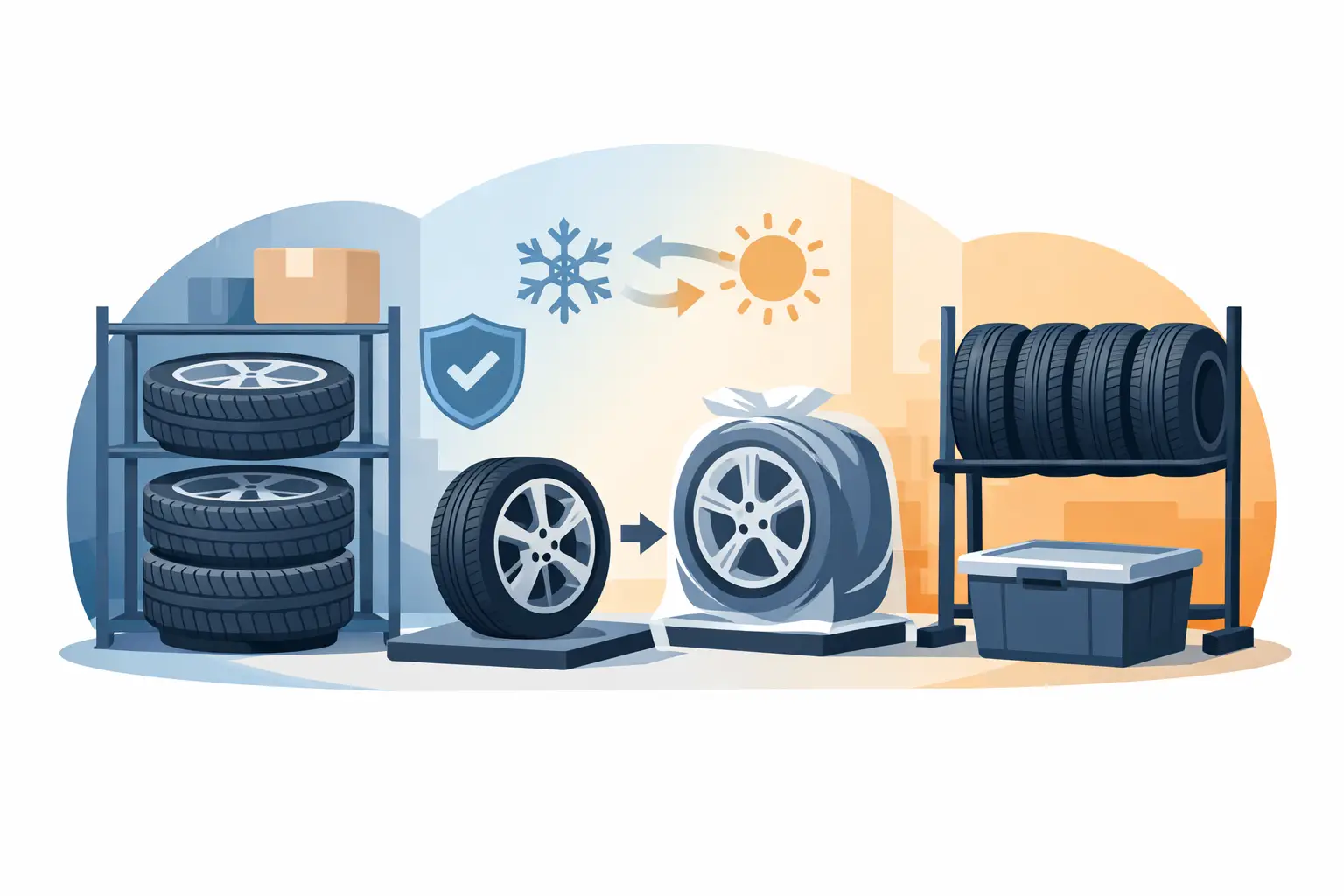
The ideal storage space is cool, dry, and stable. A climate-controlled garage, basement, or enclosed workshop is better than a shed, carport, or anywhere with big swings in temperature and humidity. Tires do not like prolonged heat, direct sun, or ozone exposure from electric motors and certain shop equipment. Rims do not like wet concrete, condensation, or contact with chemicals.

If your only option is a garage, choose the cleanest and most protected area you have. Keep the set away from windows, furnaces, water heaters, air compressors, welders, and chemical storage. Fuel vapors, solvents, and petroleum products can accelerate rubber degradation. That matters whether you are storing a winter setup for your SUV or a polished aftermarket wheel package for a weekend truck.

A common mistake is leaving the set directly on bare concrete for months. Concrete can hold moisture, and temperature transfer is not ideal either. Put down a piece of clean plywood, thick cardboard, rubber matting, or a storage rack to create separation from the floor.

Should you bag the tires?

Usually, yes – with one condition. They need to be fully dry first. Tire storage bags or large plastic bags help reduce exposure to air, dust, and light. If the tires are mounted on rims, bagging still helps, especially for finished wheels that you want to keep free from scratches and shop debris.

Do not seal in moisture. If you wash the set and bag it too soon, you are creating a closed, damp environment. That is a bad trade. Protection only works when the components go in clean and dry.

Store mounted and unmounted sets differently

How to store tires and rims depends partly on whether the tires are mounted on the wheels.

If the tires are mounted on rims, stacking is generally acceptable for seasonal storage, as long as the stack is not excessive and the wheels are protected from metal-to-metal contact. Four is usually manageable for most passenger vehicle setups. You can also hang mounted assemblies on a proper wall rack designed to support them by the wheel, not by compressing the tire oddly.

If the tires are not mounted on rims, store the tires upright, side by side, and rotate their position slightly once a month if they will sit for a long stretch. Do not hang unmounted tires, and do not stack them flat for extended periods. That can distort their shape over time.

For rims stored without tires, keep them upright or on padded shelving with spacing between each wheel. Finished surfaces are easy to mark up if they are leaned carelessly against each other. A protective sleeve, cloth barrier, or wheel tote goes a long way here.

What about tire pressure?

For mounted sets, reduce pressure modestly for storage if the manufacturer guidance and your setup allow it, but do not fully deflate the tires. A tire that is left nearly empty is more vulnerable to bead issues and shape distortion. You are not trying to collapse it. You are simply avoiding unnecessary stress from full operating pressure while it sits.

If the mounted set stays on the vehicle during storage, that becomes a different conversation. Then you need to think about flat spotting, full vehicle weight, and moving the vehicle periodically or placing it on stands when appropriate.

Protecting rim finish during storage

Wheel finish is where a lot of value lives. Painted, machined, polished, chrome, satin black, bronze, and clear-coated wheels all have different sensitivities, but the rule is the same: keep them clean, dry, and separated from abrasion.

Do not slide wheels across the floor. Do not stack them face to face without a barrier. Do not wrap them in dirty blankets that carry grit into the finish. A set of padded wheel bags, foam separators, or even clean microfiber barriers can prevent the kind of cosmetic damage you notice immediately when reinstalling them.

This is especially relevant for aftermarket rims. Style matters, but finish care is not just cosmetic. Chips, scratches, and compromised coatings can open the door to corrosion around exposed metal. At FORTLUFT, that mix of function and appearance is not a contradiction. It is the point. Good parts should perform and present well.

Common mistakes that shorten tire life

Most storage damage does not look dramatic at first. It shows up later as vibration, sidewall dryness, surface staining, or tires that seem older than they should. The biggest mistakes are easy to avoid once you know where the risk comes from.

One is storing tires in direct sunlight. UV exposure steadily breaks down rubber. Another is keeping them near electric motors or generators that produce ozone, which can accelerate cracking. A third is ignoring cleanliness and storing brake dust and road salt right on the wheel. Then there is the simple but costly mistake of piling heavy items on top of the tires or wheels.

There is also an it-depends factor with long-term storage. A few months between seasons is straightforward if the space is controlled. A year or longer requires more attention to environment, positioning, and periodic checks. If the storage area gets damp in summer or freezing in winter, your margin for error gets smaller.

A smart seasonal routine for trucks, Jeeps, and SUVs

Larger wheel and tire packages need a little more planning because of their weight and bulk. All-terrain and mud-terrain tires, plus heavier rims, are harder to stack safely and easier to scratch during handling. If you run oversized fitments on a truck or Jeep, use a rack or individual storage positions if possible rather than building a tall stack.

This is also the time to check torque notes, tread depth, and wear patterns before the set disappears for the season. If one tire is wearing faster than the others, storage is your pause point to address alignment or suspension issues before they eat into the next season too.

For shops and higher-volume buyers, labeling every set with vehicle info, position, and removal date keeps inventory clean and reinstalls faster. Efficient storage is not just about preservation. It saves labor and reduces avoidable damage.

How to know your stored set is still ready to use

Before reinstalling, inspect the tires and rims again. Look for cracking, hardening, flat spots that do not round out, corrosion around the bead area, or finish damage around lug holes and edges. Check tread and age. Storage preserves a set, but it does not stop time.

If the tires are several years old, even a well-stored set may need closer evaluation before going back into service. The same goes for rims that took an impact before storage and were never inspected properly. Clean storage is smart maintenance, not a substitute for condition checks.

Treat your wheel and tire package like a real component investment, because that is exactly what it is. A clean, dry, controlled storage routine keeps the rubber healthier, the finish sharper, and the next install a lot less frustrating.

How to Ship Tires and Wheels Safely

A bent lip, scraped finish, or damaged bead seat can turn a good sale or a planned install into a headache fast. If you need to know how to ship tires and wheels, the real goal is not just getting them from point A to point B. It is getting them there clean, protected, and ready to mount.

Shipping tires by themselves is fairly simple. Shipping wheels takes more care. Shipping mounted tire and wheel sets sits in the middle – easier in some ways, heavier and more expensive in others. The right method depends on what you are sending, how far it is going, and how much risk you are willing to accept.

How to ship tires and wheels without damage

The first decision is whether you are shipping tires only, wheels only, or complete mounted assemblies. Each one needs a different packing approach.

Bare tires are the least fragile. They can often ship with minimal packaging because rubber handles normal transit well. Wheels are different. Painted, polished, machined, or powder-coated finishes can be marked up by rough handling, and the outer lip is especially vulnerable. Mounted sets add sidewall protection and reduce direct contact with the wheel face, but they also bring more weight and bulk, which pushes shipping costs higher.

If appearance matters – and with aftermarket wheels, it usually does – package for impact, not just for dirt. A shipping label stuck on an exposed wheel may get it delivered, but it will not protect the finish.

Shipping tires only

For tires without wheels, start by cleaning off loose dirt and small stones. That keeps the package cleaner and avoids extra handling issues. Then measure the tire’s overall diameter and section width so you can estimate shipping charges accurately.

Many carriers accept tires with a label attached directly to the tread, but that does not always mean it is the best choice. Wrapping the tire in heavy plastic or shrink wrap gives it a cleaner presentation and helps protect the label. Some shippers use cardboard discs on both sides if they want more structure, especially for higher-value performance tires.

If you are shipping a pair, do not assume strapping them together is the cheapest or safest option. Sometimes two separate packages move more cleanly through the network than one bulky bundle. It depends on carrier pricing and dimensional weight.

Shipping wheels only

Wheels need more protection than most people expect. The face, lip, and back pad can all be damaged in transit if the box is too thin or the wheel is allowed to shift.

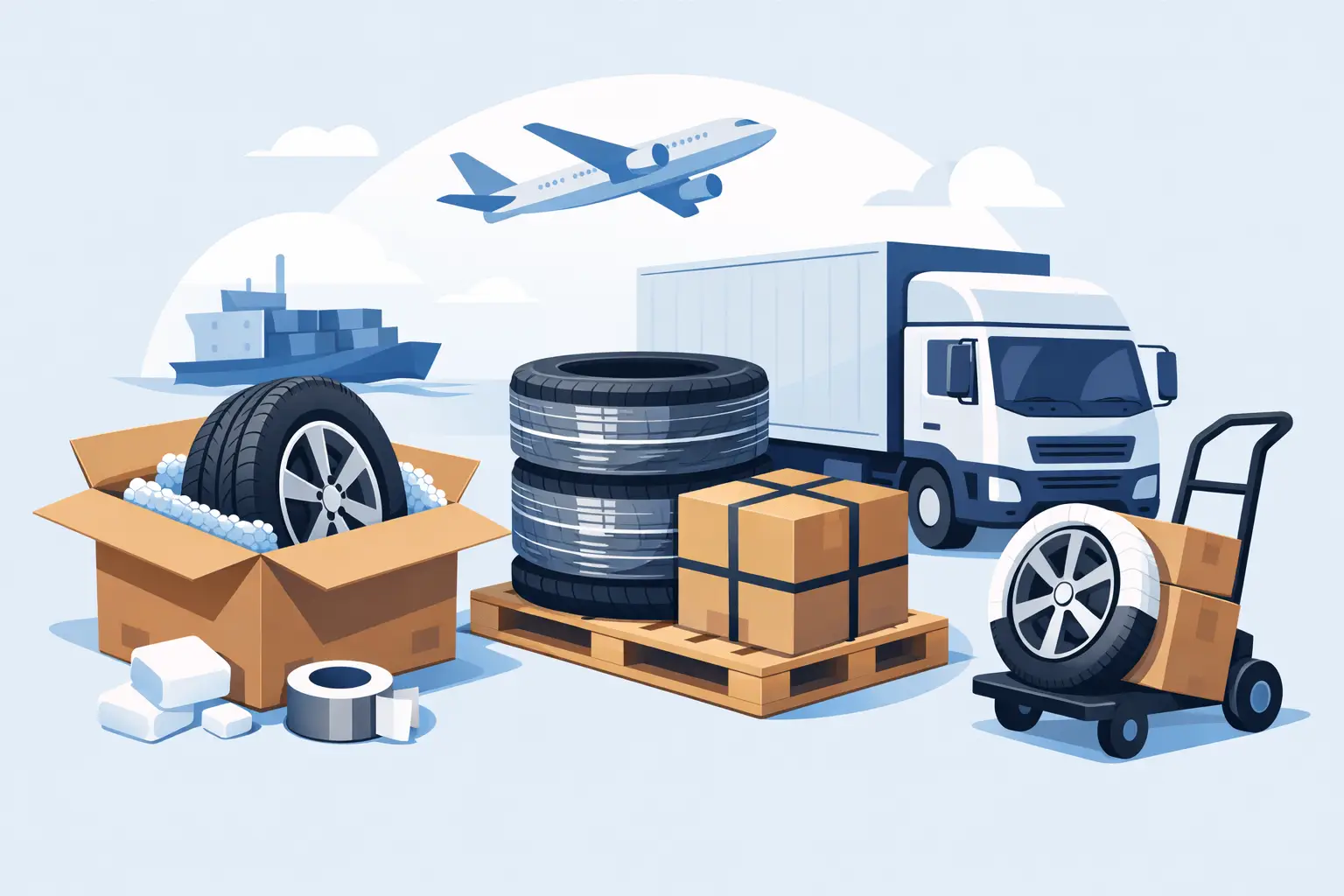
Start with a clean wheel so tape, foam, and wrap sit flat. Cover the face with a foam sheet or thick cardboard disc. Do the same on the back side. Then wrap the entire wheel in bubble wrap or foam, paying extra attention to the outer edge. Put it in a strong corrugated box sized closely enough that the wheel cannot move around.

Void fill matters here. If the wheel slides inside the box, the box is not doing much. Use packing paper, foam, or additional padding to lock it in place. Double boxing is worth considering for premium wheels, larger diameters, or any finish that marks easily.

Shipping mounted tire and wheel sets

Mounted sets are common in the aftermarket because they simplify installation for the buyer. They can also protect the wheel lip somewhat, since the tire takes some of the abuse. But they still need proper packaging.

The standard method is to place a heavy cardboard disc over the wheel face and another over the back, then shrink wrap or stretch wrap the entire assembly. Some shippers also add edge guards or foam around the rim area before wrapping. For high-value sets, boxing each assembly is the safer move, though it costs more.

If the wheels have exposed spokes and a deep lip, use thicker face protection. A thin disc alone may not prevent pressure damage if another package is stacked against it.

The materials that actually make a difference

If you are learning how to ship tires and wheels for the first time, do not overcomplicate it. A few materials do most of the work.

Strong corrugated boxes are the foundation for wheels. Not lightweight moving boxes – shipping-grade cartons that can handle weight. Cardboard discs protect the faces. Foam sheets, bubble wrap, and stretch wrap prevent scuffs and surface abrasion. Reinforced packing tape helps the box stay closed under load. Labels should go on a flat, secure surface where they will not peel off.

For mounted assemblies or tires only, heavy plastic wrap can be enough when allowed by the carrier, but exposed labels and weak wrapping can fail in transit. If the shipment matters, cleaner packaging usually pays off.

Carrier choice, cost, and trade-offs

There is no single best carrier for every tire or wheel shipment. Parcel carriers work well for many single wheels, single tires, and smaller sets. Freight becomes more attractive when you are shipping multiple wheels, oversized truck tires, or several mounted sets at once.

Parcel shipping is usually easier for residential delivery and one-off orders. Freight can lower the per-unit cost on larger shipments, but it requires more coordination and may involve palletizing, business delivery hours, or liftgate fees.

Dimensional weight also changes the math. Tires are bulky. Wheels are dense. Mounted assemblies are both. A package can cost more because of size even when it does not seem especially heavy. Measure carefully and compare rates before choosing a method.

Insurance deserves a quick reality check. It can help with loss or major transit damage, but reimbursement often depends on proper packaging. If the wheel was sent with minimal protection and arrives scratched, a claim may not go your way. Pack like you expect scrutiny.

Labeling and documentation

Bad labeling ruins good packaging. Make sure the shipping label is clear, complete, and firmly attached. If you are boxing wheels, put the label on the top face of the carton, not over seams or heavy tape lines where it may wrinkle.

It also helps to place a copy of the shipping information inside the box or under the wrap. If the outer label gets damaged, the carrier still has a way to identify the shipment.

For resale, return processing, or B2B orders, keep records of the wheel size, tire specs, finish, and quantity before the shipment leaves. A quick photo of each item and the final packaging condition can save time if there is a damage claim or a receiving dispute.

Common mistakes that cost money

The most common mistake is underpacking the wheel face. Cosmetic damage does not always look dramatic, but it is enough to trigger a return, discount request, or unhappy customer.

The second is using oversized boxes. Extra room inside the package turns every bump into movement, and movement is what damages finishes, lips, and edges.

Another frequent issue is skipping measurements and relying on rough estimates. Shipping charges on tires and wheels can swing fast based on size, zone, and package shape. If you sell or ship parts regularly, accurate dimensions are not optional.

Finally, do not ignore the destination. A single wheel going to a commercial address may be straightforward. Four 35-inch mud tires going to a residence with limited access is a different job. The best packaging and shipping method depends on the full picture.

A practical packing standard to follow

If you want a reliable baseline, use this approach. Ship bare tires clean and tightly wrapped, with secure labels and optional side discs for added structure. Ship bare wheels in snug, heavy-duty boxes with front and rear face protection, full edge padding, and no internal movement. Ship mounted sets with thick cardboard discs on both sides, strong wrap, and boxing when the finish or value justifies it.

That standard is not flashy, but it works. It protects the part, supports cleaner delivery, and reduces the kind of avoidable damage that eats margin.

For enthusiasts, shops, and resellers, details matter. Tires and wheels are not just functional components. Fitment, finish, and presentation all count. That is why smart packaging is part of the product experience, not an afterthought.

At FORTLUFT, that mindset applies across the aftermarket – parts should arrive ready to perform and ready to look the part. When you ship with that standard in mind, you protect more than freight. You protect the value of what is inside the package.

The best shipping method is usually the one that matches the part, not the cheapest option on the screen. Pack for impact, measure honestly, and give the finish the same respect you gave the purchase.

How to Finance Wheels and Tires Smartly

A new wheel and tire setup can change more than looks. It can sharpen handling, improve ride quality, add load capacity, or finally give your truck, Jeep, or SUV the stance you wanted in the first place. But when the upgrade lands in the four-figure range, knowing how to finance wheels and tires becomes just as important as choosing the right bolt pattern, offset, and tire size.

The smart move is not just finding a way to make the monthly payment work. It is choosing a payment method that fits the reason you are buying. Replacing worn tires before a road trip is different from upgrading to larger wheels for style. A work truck that needs dependable traction now has a different financing profile than a weekend build where timing is flexible.

How to finance wheels and tires without overpaying

There is no single best answer. The right option depends on your credit profile, how fast you need the parts, and whether the purchase solves a safety issue or a cosmetic one.

If your current tires are at the end of their life, delaying the purchase can cost more than financing it. Poor tread depth affects braking, wet-weather grip, and overall safety. In that case, paying over time may be reasonable if it gets you into the correct tires now. If you are upgrading mainly for appearance, it makes more sense to compare financing costs carefully and ask whether waiting a month or two would let you pay less in total.

Most buyers will look at four practical paths: a credit card, a buy now pay later plan, retailer financing, or a personal loan. Each one has trade-offs.

Credit cards can work if the timeline is short

A credit card is often the fastest option, especially if you already have available credit and need to move quickly. It also gives you flexibility if you are bundling wheels, tires, mounting hardware, TPMS components, or installation costs.

The downside is obvious. If the balance sits too long, the interest can turn a clean upgrade into an expensive one. A promotional APR can make sense if you know exactly how long it will take to pay off the purchase and you have enough discipline to stick to that plan. Without a payoff timeline, a credit card is convenience first and value second.

Buy now pay later plans are simple, but not always cheap

Installment plans with fixed payments are appealing because they make the purchase feel predictable. You know the payment amount, the term, and usually the approval decision happens quickly.

That said, simple does not automatically mean low-cost. Some plans offer true zero-interest promotions, while others build financing charges into the structure. Read the total repayment amount, not just the monthly number. A lower monthly payment can still mean a higher total cost.

Retailer financing can fit category-specific purchases

Some automotive retailers offer financing designed around larger parts purchases. That can be useful when you are buying a full package and want the process tied directly to the transaction.

This route is strongest when the terms are clear and the promotional period matches your budget. It is weaker when deferred interest is involved and the payoff window is unrealistic. If one missed deadline means interest gets added retroactively, the deal is less attractive than it looks at checkout.

Personal loans are cleaner for larger builds

If you are financing not just wheels and tires but related suspension or fitment work, a personal loan may be more structured than revolving credit. Fixed payments, a fixed term, and no temptation to keep adding to the balance can make budgeting easier.

The trade-off is that approval can take longer, and rates vary a lot by credit score. For a modest purchase, the effort may not be worth it. For a bigger setup with installation and alignment included, the predictability can be worth the extra step.

Before financing, price the full setup

A common mistake is financing only the visible parts of the purchase. Wheels and tires are rarely the whole ticket.

You may also need mounting and balancing, lug nuts, valve stems, TPMS service, alignment, shipping, and in some cases suspension adjustments or minor fitment changes. If you drive a truck or SUV and move to a more aggressive setup, the final bill can climb fast. Financing based on an incomplete estimate is how buyers end up using a second payment method to cover the gap.

Get the full number first. That gives you a real basis for comparing financing options and avoids approving one amount only to realize the installed cost is meaningfully higher.

Match the financing term to the life of the tires

This part gets overlooked. Tires are wear items, not permanent upgrades.

If you stretch payments too far, you may still be paying for the set when tread life is already halfway gone. That does not always make financing wrong, but it does mean the term should make sense relative to how much you drive. A commuter putting on heavy annual mileage should think differently than a vehicle owner financing a premium wheel package with occasional weekend use.

As a rule, shorter terms are usually healthier for wheel and tire purchases. The payment is higher, but the total cost stays more controlled and the timing better matches the useful life of the product.

Check the real cost, not just the approval

Getting approved feels like progress, but approval is not the finish line. The real question is what the financing costs after fees, interest, and timing are accounted for.

Look at the APR, the monthly payment, the total of payments, and whether there are penalties or deferred interest terms. If a plan offers no interest only when paid in full by a specific date, treat that date as a hard deadline, not an estimate. One late payoff can change the economics fast.

It also helps to compare the financed total against the value of the upgrade itself. Financing high-quality wheels and tires that improve safety, durability, and fitment quality can be rational. Financing a setup that strains your budget and forces compromises elsewhere on the vehicle usually is not.

Credit impact matters more than most buyers think

If you are wondering how to finance wheels and tires without hurting your next major purchase, pay attention to credit utilization and application activity.

Using a large share of an existing credit card limit can affect your credit score in the short term, even if you make payments on time. Applying for multiple financing products in a short period can also create unnecessary inquiries. That may not matter if this is your only planned purchase, but it matters a lot more if you expect to finance a vehicle, refinance a loan, or make another major credit move soon.

Sometimes the best strategy is the least aggressive one. A larger down payment, a shorter term, or waiting until your credit utilization is lower can put you in a better position overall.

When financing makes sense

Financing is usually easier to justify when the purchase is tied to safety, reliability, or business use. If your current tires are worn, damaged, or not suited to seasonal conditions, delaying replacement can create real risk. If your vehicle supports your work and downtime costs money, spreading out the purchase may be smarter than waiting.

It can also make sense when the deal is genuinely efficient. A zero-interest promotion with clear terms and a payoff plan can preserve cash without inflating the total cost.

When waiting is the better move

If the purchase is mostly aesthetic and the financing charges are high, waiting is often the cleaner answer. The same goes if you are unsure about fitment, wheel finish, or tire type. Financing locks in a decision. If you are still comparing sizes or debating whether to go more aggressive, it is better to decide first and finance second.

That is especially true with style-forward upgrades. Wheels are a major visual choice, and premium aftermarket parts should feel intentional, not rushed. Technology as an art form only works when the form and function both make sense.

A practical way to decide

Start with the reason for the purchase. If it is urgent, prioritize safety, fitment, and a payment option you can clear quickly. If it is a planned upgrade, price the full package, compare the total repayment across options, and be honest about whether financing adds value or just speeds up gratification.

For many buyers, the best answer is a balanced one: put money down, finance only what you need, and choose a term short enough that the parts still feel current by the time they are paid off. That approach keeps the vehicle moving in the right direction without turning a wheel and tire upgrade into a long-term drag on your budget.

The right setup should improve the way your vehicle looks, drives, and performs. The right financing should do the same for your purchase – clean, controlled, and built to fit.

How Much Are Tires and Wheels?

Sticker shock usually hits after the first quote. You ask how much are tires and wheels, expecting a simple number, and then the answer starts moving – by vehicle type, wheel size, tire brand, load rating, finish, and whether you are replacing one corner or upgrading the whole stance. For most US drivers, a full set can land anywhere from a few hundred dollars to several thousand. The right budget depends on what you drive, how you use it, and how much style matters alongside function.

This is one of those purchases where the cheapest option can cost more later, but the most expensive option is not always the smart buy either. Tires and wheels affect ride quality, handling, braking feel, road noise, appearance, and in some cases fuel economy. On trucks, Jeeps, and SUVs, they also change clearance, load capability, and off-road behavior.

How much are tires and wheels on average?

If you are pricing a full set of four tires only, most everyday passenger vehicles fall between about $400 and $1,200 before installation. Budget tires can come in under that range, while premium touring, performance, or all-terrain models can push beyond it.

A full set of four wheels only usually starts around $300 to $800 for basic aftermarket options in common sizes. Mid-range alloy wheels often land in the $800 to $1,600 range for a set. Premium finishes, larger diameters, forged construction, or truck-specific designs can drive that number well past $2,000.

Put them together, and many drivers spend $900 to $2,500 for a complete tire-and-wheel package. For larger trucks, lifted Jeeps, heavy-duty SUVs, or appearance-focused builds, total cost can easily reach $3,000 to $5,000 or more.

That spread is wide because the category is wide. A 16-inch commuter setup and a 22-inch truck package are not shopping in the same market.

What changes the price the most?

The biggest factor is size. Larger diameter tires and wheels usually cost more, and not just by a little. Moving from a 17-inch setup to a 20-inch setup often increases both tire cost and wheel cost at the same time. Low-profile tires for larger wheels can also narrow your choices, which tends to keep pricing higher.

Vehicle type matters just as much. Tires for compact sedans are generally cheaper than tires for half-ton trucks. Once you get into LT-rated tires, off-road tread, reinforced sidewalls, or higher load capacities, the price rises fast. Wheels follow the same pattern. A light passenger car wheel has different demands than a truck wheel built for larger loads and tougher use.

Material and construction also shift the budget. Cast alloy wheels are common and typically more affordable. Forged wheels are lighter and often stronger, but they cost significantly more. On the tire side, a basic all-season tire is usually less expensive than a premium summer tire, severe snow tire, or hybrid all-terrain design.

Then there is finish and style. Machined faces, gloss black coatings, bronze finishes, beadlock-inspired designs, and aggressive spoke patterns all add visual impact, and often cost. That premium can be worth it if the wheel changes the entire look of the vehicle. Technology as an art form is not just marketing language here – wheels are one of the first things people notice.

Typical price ranges by vehicle type

For compact cars and midsize sedans, tires often run about $100 to $250 each, while wheels may cost $90 to $250 each for common aftermarket choices. A full setup can reasonably land between $800 and $1,600 installed, depending on brand and specs.

For crossovers and smaller SUVs, tires often sit in the $140 to $300 each range. Wheels can start near $120 each and climb to $350 or more. A full package often falls between $1,100 and $2,200.

For full-size SUVs, Jeeps, and light-duty trucks, the numbers usually step up again. Tires commonly run $180 to $450 each, especially if you are looking at all-terrain or all-season truck patterns. Wheels may range from $150 to $500 each for many aftermarket options, with premium builds going much higher. Total package cost often falls between $1,400 and $3,200.

For heavy-duty trucks or specialized off-road builds, tire pricing can move past $500 each and wheel pricing can exceed $600 each without much effort. If you are after larger diameters, deep lip styling, or stronger premium construction, the budget needs to reflect that.

Tires only versus wheels only versus complete packages

If your wheels are still in good condition and you like the current look, replacing tires only is the most cost-effective path. This is common for daily drivers where performance and safety matter more than changing appearance. It also keeps fitment simple.

Replacing wheels only makes sense when your current wheels are damaged, corroded, poorly sized for your needs, or just not the look you want. Many owners upgrade wheels to improve stance, reduce weight, or sharpen the visual profile of the vehicle.

A full package makes the most sense when you want a coordinated fitment, are moving to a different wheel diameter, or need a second seasonal setup. This can also simplify buying because the tire and wheel are matched from the start. For many buyers, that removes guesswork around width, offset, bolt pattern, and tire sizing.

The hidden costs people forget

When people ask how much are tires and wheels, they often mean the parts only. The installed total is what matters.

Mounting and balancing can add roughly $80 to $200 for a set, sometimes more for larger truck tires or specialty applications. Tire disposal fees, valve stems, TPMS service or replacement, alignment, and shipping can all show up separately. If you are changing wheel size, you may also need new lug nuts, hub-centric rings, or spacers depending on the setup.

An alignment is not always mandatory, but it is often smart after installing new tires, especially if the old set wore unevenly. Skipping that step can shorten the life of an expensive new set in a hurry.

There is also the cost of getting the fitment wrong. A wheel that rubs, a tire that is too tall, or a load rating that does not match the vehicle can turn a good deal into a return problem. That is one reason experienced buyers pay attention to specs before they chase style.

When cheap works and when it does not

There are good budget tires and good value wheels on the market. Not every vehicle needs a premium setup. If you drive mostly city miles in a commuter sedan, a sensible all-season tire and a straightforward alloy wheel may be the right call. Spending extra for track-focused grip or off-road sidewall strength would not deliver much value there.

But cheap can be a bad bet if the vehicle carries weight, sees rough roads, or needs dependable performance in rain, snow, or trail conditions. Trucks, Jeeps, and SUVs often ask more from tires and wheels than a basic commuter car does. Load rating, sidewall durability, and wheel strength matter more in those applications.

The same goes for looks. A low-cost wheel may check the size box but miss on finish quality or long-term durability. If appearance is part of the goal, details matter. Finish consistency, spoke design, and material quality all show once the wheel is on the vehicle.

How much should you budget realistically?

If you want a practical number, start with these brackets. For a car, budget around $900 to $1,500 for a solid complete setup. For a crossover or midsize SUV, plan on roughly $1,200 to $2,000. For trucks, Jeeps, and larger SUVs, a realistic range is $1,500 to $3,000, with room above that for larger sizes, off-road tires, or premium wheel designs.

If your goal is simply safe replacement, stay focused on correct sizing, load rating, tread type, and total installed cost. If your goal also includes stance and visual upgrade, give the wheel more weight in the budget. That is often where the personality of the vehicle changes the most.

For buyers shopping aftermarket, the smartest move is to treat tires and wheels as a system. The right setup should fit the vehicle, support the way it is driven, and look right from every angle. That balance is where value lives.

A good set should do more than fill the wheel wells. It should make the vehicle feel right every time you pull out of the driveway.

Difference Between Tires, Wheels, and Rims

If you have ever ordered parts and caught yourself using tire, wheel, and rim like they mean the same thing, you are not alone. The difference between tires wheels and rims matters because the wrong term can lead to the wrong part, bad fitment, wasted money, or a setup that simply does not perform the way you expect.

In everyday conversation, plenty of drivers say “rims” when they really mean the whole wheel assembly. That is common, but when you are buying aftermarket parts, comparing sizes, or planning an upgrade for your car, truck, Jeep, or SUV, precision helps. These three parts work together, but they are not interchangeable.

What Is the Difference Between Tires, Wheels, and Rims?

The tire is the outer rubber component that contacts the road. It is responsible for grip, ride comfort, braking traction, wet-weather control, and part of the vehicle’s load support. When you read a size like 265/70R17, you are looking at tire sizing.

The wheel is the full metal structure the tire mounts onto. It bolts to the vehicle’s hub, supports the tire, and houses key mounting dimensions such as bolt pattern, offset, and center bore. In the aftermarket world, when you shop for a new set of alloy or steel pieces for appearance or performance, you are usually shopping for wheels.

The rim is one section of the wheel. More specifically, it is the outer edge of the wheel where the tire bead seats. So when someone says “I bought new rims,” they often mean wheels. Technically, though, the rim is only part of the wheel, not the entire assembly.

That distinction may sound minor, but it changes how you shop. You replace tires for tread wear, seasonal traction, or road damage. You replace or upgrade wheels for fitment, strength, weight, brake clearance, and style. A damaged rim may sometimes make the whole wheel unusable, but the rim itself is not a separate category in the way many people think.

Tires: The Part That Meets the Road

Tires do the hard work where the vehicle actually touches pavement, gravel, mud, or snow. They absorb small impacts, maintain traction, and help the suspension do its job. Their construction includes tread, sidewall, internal belts, and bead areas that lock onto the wheel rim.

When a tire wears out, the usual issue is tread depth, uneven wear, dry rot, punctures, or sidewall damage. In most cases, you do not need a new wheel just because you need new tires. The existing wheel can often be reused as long as it is straight, structurally sound, and matched to the new tire size.

Tire choice affects more than comfort. A highway tire, all-terrain tire, and mud-terrain tire can make the same vehicle feel completely different. Wider tires may improve grip in some conditions, but they can also increase road noise, reduce fuel economy, and create clearance issues if the wheel width and offset are not right.

For daily drivers, the best tire is usually the one that fits your actual use, not the most aggressive-looking option. For trucks and Jeeps, appearance matters, but so do load rating, sidewall strength, and how the tire works with your wheel setup.

Wheels: Structure, Fitment, and Style

The wheel is the metal backbone of the assembly. It carries the tire, mounts to the hub, and has to match the vehicle’s specifications. This is where fitment gets serious.

A wheel is defined by diameter, width, bolt pattern, offset, backspacing, center bore, and construction material. Change any of those, and you can affect handling, fender clearance, suspension clearance, and brake fitment. That is why a wheel upgrade is not just cosmetic, even though appearance is a big reason people make the change.

Alloy wheels are popular because they can reduce weight and offer sharper styling. Steel wheels are often chosen for durability, winter use, or work-truck practicality. Neither is automatically better in every case. It depends on the vehicle, the job, and how much value you place on weight, cost, finish, and appearance.

A larger wheel can create a more aggressive look and open up room for bigger brakes. The trade-off is that it usually requires a lower-profile tire, which can make the ride firmer and leave less rubber to absorb impacts. For some builds, that is exactly the point. For others, especially rough-road or off-road setups, more sidewall is the smarter choice.

Rims: The Most Misused Word in the Category

The rim is the outer portion of the wheel where the tire bead sits and seals. It is part of the wheel’s structure, but it is not the whole wheel. In technical terms, that is the cleanest answer.

Why does the word get used so loosely? Because in automotive culture, “rims” became shorthand for visible wheel upgrades. People are usually referring to the entire wheel because that is the part they see and choose for style. That casual use is not unusual, but if you are buying parts, it helps to know what you actually need.

If a shop says your rim is bent, they usually mean the wheel has damage at the outer edge. Depending on severity, the wheel may be repairable or may need replacement. If you are shopping online and search for rims, you are typically browsing wheels.

Why the Difference Between Tires Wheels and Rims Matters When Buying Parts

Terminology affects fitment, and fitment affects everything from safety to stance. If you tell a seller you need rims when you actually need tires, the conversation goes sideways fast. More importantly, if you choose a wheel without understanding diameter, width, and offset, your tire options can narrow quickly.

Take a common example. If you move from a 17-inch wheel to a 20-inch wheel, you need a tire with a matching inner diameter. A 17-inch tire will not mount on a 20-inch wheel. That sounds obvious, but sizing mistakes happen all the time when buyers focus on appearance first and specs second.

There is also the issue of load capacity. A heavy SUV or truck needs both tires and wheels rated for the application. A wheel that looks right but lacks the proper load rating is not a real upgrade. The same goes for tire construction. Design matters, but function comes first.

For aftermarket buyers, the smart approach is to treat the assembly as a system. Tire size, wheel dimensions, suspension setup, brake clearance, and intended use all need to agree with each other.

Common Situations and What You Actually Need

If your tread is worn but your metal wheel is fine, you need tires. If your vehicle has curb rash, a crack, a bend, or you want a different offset or finish, you are looking for wheels. If someone says the rim lip is damaged, that usually points to damage on the wheel itself.

If you want a more aggressive look on a truck or Jeep, you may need both new wheels and new tires to get the stance you want. A wider wheel may call for a wider tire. A more negative offset may push the wheel outward for a stronger visual presence, but it can also increase rubbing, road spray, and steering feel changes. Style has trade-offs.

If your goal is better handling on a street-driven car, a lighter wheel paired with the right performance tire can sharpen response. If your goal is off-road durability, a wheel built for abuse and a tire with stronger sidewalls may matter more than shaving weight.

The Fastest Way to Talk About These Parts Correctly

Use tire when you mean the rubber. Use wheel when you mean the full metal part that bolts to the hub. Use rim when you are specifically talking about the outer edge of that wheel.

That alone will make product searches cleaner and ordering easier. It also helps when comparing specs, asking about compatibility, or deciding whether you need a replacement part or a full visual upgrade.

At FORTLUFT, that kind of clarity matters because aftermarket parts are not just about replacing what wore out. They are about choosing components that fit right, perform right, and look right on the vehicle you actually drive.

The next time someone says “nice rims,” you will know what they probably mean and what the part actually is. That small bit of knowledge goes a long way when it is time to buy smarter, build cleaner, and make every detail count.

How to Buy Tires and Rims the Right Way

A wheel and tire package can sharpen your vehicle’s stance in one afternoon – or create vibration, rubbing, poor handling, and a return you never wanted to deal with. If you’re figuring out how to buy tires and rims, the smartest move is to treat fitment, performance, and appearance as one decision, not three separate ones.

That matters whether you drive a commuter sedan, a half-ton truck, a Jeep on oversized all-terrains, or an SUV that needs a cleaner street look without giving up daily comfort. Tires and rims affect braking, steering feel, ride quality, fuel economy, road noise, and the way the whole vehicle presents itself. This is one of the few upgrades that is both functional and visual, which means buying on looks alone usually costs more later.

Start with the vehicle, not the wheel design

The first step in how to buy tires and rims is confirming what your vehicle can actually accept. That starts with the factory tire size, wheel diameter, bolt pattern, center bore, offset, and load requirements. If one of those is off, the setup may technically bolt on and still drive badly.

Your current tire sidewall tells you a lot. A size like 265/70R17 breaks down into width, aspect ratio, and wheel diameter. That gives you the baseline for replacement or for upsizing and downsizing. The door jamb sticker adds the manufacturer’s recommended tire size and pressure, and that information matters because it reflects the weight and geometry of your specific vehicle.

Rims need even more attention than many buyers expect. A wheel can share the same diameter as your factory setup and still be wrong if the bolt pattern or offset is off. Offset changes where the wheel sits relative to the hub and fender. Go too far outward and you can create fender rub and extra stress on suspension components. Go too far inward and you may run into brake clearance problems.

How to buy tires and rims without fitment mistakes

The easiest buying error is focusing on diameter because it is the most visible number. A 20-inch wheel sounds simple. In practice, width, offset, and tire sizing determine whether the package works.

Match the bolt pattern and center bore

Bolt pattern has to be exact. Close does not count. A wheel with the wrong pattern is not a workable compromise. Center bore also matters because it affects how the wheel centers on the hub. Some wheels are designed to use hub-centric rings, which can be fine when properly matched, but the setup has to be intentional.

Choose the right wheel width for the tire

Every tire size has an approved wheel width range. Stretching a tire too much or pinching it onto a wheel that is too narrow changes how the tire performs and wears. It can also make the vehicle feel less planted in corners or less stable under load.

Watch overall tire diameter

When buyers move to a larger rim, they often need a shorter sidewall tire to keep the overall diameter close to stock. That helps preserve speedometer accuracy, gearing, and clearance. A dramatic diameter change might look aggressive, but it can affect shift points, braking feel, and ride quality.

Pick tires based on how the vehicle is actually used

This is where buying gets more strategic. The right tire for a lifted truck in snow country is not the right tire for a city SUV, and a performance sedan should not be on a tire chosen only because the tread looks aggressive.

All-season tires make sense for most daily drivers because they balance tread life, road comfort, wet traction, and cost. Summer tires improve grip and steering response but are not built for freezing temperatures. Winter tires are the better answer when cold-weather traction matters more than year-round convenience.

For trucks, Jeeps, and SUVs, the choice usually comes down to highway terrain, all-terrain, or mud-terrain. Highway tires are quieter and smoother on pavement. All-terrains give you more versatility and a stronger visual stance, but they usually add some road noise and may reduce fuel economy. Mud-terrain tires look serious and perform well off-road, but they are often louder, heavier, and less refined for daily commuting.

Load rating is just as important as tread type. A truck or SUV carrying cargo, towing, or running larger aftermarket wheels needs a tire with the right load capacity. If the tire cannot support the vehicle properly, no amount of style makes that a smart buy.

Choose rims that fit the vehicle’s purpose and style

Rims change the character of a vehicle faster than almost any other exterior upgrade. They also change unsprung weight, which affects ride and handling.

Larger wheels usually create a sharper, more modern look. They can improve steering response when paired with lower-profile tires, but the trade-off is a firmer ride and greater exposure to pothole damage. Smaller wheels with taller sidewalls tend to ride better and give more protection, which is a practical advantage for trucks, Jeeps, and rough-road driving.

Material matters too. Many aftermarket wheels are aluminum alloy because they balance weight, strength, corrosion resistance, and design flexibility. Heavier wheels can dull responsiveness. Lighter wheels often feel better on the road, but price usually rises with premium construction and finish quality.

Then there is the visual side, and it should not be treated like an afterthought. Finish, spoke design, lip depth, and overall proportion need to work with the vehicle. A wheel that looks perfect on a lowered sport sedan may look out of place on a full-size truck. Good design in automotive parts is never just decoration. It has to look right because it fits right.

Budget for the full package, not just the sticker price

A lot of buyers compare tires and rims by product price alone, then get surprised at checkout or installation. The full cost usually includes mounting, balancing, valve stems or TPMS service, possible hub rings, lug nuts if the wheel requires a different seat type, and alignment if the old tires showed uneven wear.

It also pays to think about long-term cost. A cheaper tire with short tread life or disappointing wet traction is not always the value option. A low-priced wheel with a finish that degrades quickly can make the whole vehicle look tired faster than expected.

If you are building around a visual goal, be honest about where you want the budget to land. Sometimes the right move is a more refined wheel with a practical all-season tire. Other times it is better to prioritize premium tires first and keep the wheel design simpler. Performance and appearance should work together, but one may deserve priority based on how the vehicle is used.

Common mistakes when buying tires and rims

The biggest mistake is assuming a package that fits one trim level will fit every version of that vehicle. Brake package differences, suspension variations, and factory ride height can all change what works.

Another common miss is choosing an extreme offset for appearance without understanding the side effects. A pushed-out stance may look stronger, but it can increase rubbing, throw more debris against the body, and change steering feel.

Buyers also underestimate sidewall height. Ultra-low-profile tires can look clean and premium, but on rough roads they ride harsher and offer less protection. That may be acceptable on a show-forward street build. It is less appealing on a daily-driven truck or SUV that sees construction zones, winter roads, or broken pavement.

The other mistake is ignoring seasonal reality. If you live where temperatures drop hard or storms are frequent, buying for appearance over traction is usually a short-lived win.

A practical way to make the final decision

If you want a clean path forward, narrow the choice in this order: verify factory specs, confirm wheel fitment, choose the tire category based on real driving conditions, then select the design and finish that match the vehicle. That sequence keeps style from outrunning function.

For most buyers, the best setup is not the most extreme. It is the one that clears properly, carries the load it should, suits the climate, and gives the vehicle a more intentional look. That is where aftermarket buying gets interesting. Done right, it does not just replace worn parts. It upgrades the way the vehicle feels every day.

FORTLUFT’s approach to parts reflects that same standard – practical fitment, real performance, and design that earns its place on the vehicle.

A good wheel and tire setup should make the vehicle look more finished the moment you step back from it, and feel more confident the moment you pull onto the road.

What Is a Tire and Wheel Package?

If you’re shopping for an upgrade and keep seeing the phrase what is a tire and wheel package, here’s the short answer: it’s a matched set of wheels and tires sold together, usually mounted and balanced before delivery. Instead of buying wheels first and then finding tires that fit, you get a combination designed to work as one system for your car, truck, Jeep, or SUV.

That sounds simple, but the value is in the details. A tire and wheel package can save time, reduce fitment mistakes, and give you a more dialed-in look right out of the box. It can also be the smarter move when you want to change wheel size, improve stance, or replace worn components without piecing everything together yourself.

What is a tire and wheel package, exactly?

A tire and wheel package typically includes four wheels and four tires selected to fit your vehicle together. In many cases, the tires arrive professionally mounted on the wheels and balanced, so installation is faster once the set reaches you. Depending on the seller, the package may also include valve stems, lug hardware, center caps, and sometimes tire pressure monitoring system compatibility options.

The key point is that you’re not just buying parts in the same cart. You’re buying a fitment-based combination. The wheel diameter, width, bolt pattern, offset, tire size, and load rating are chosen to work together and clear the suspension, brakes, and body of your vehicle.

That fitment layer is what separates a real package from simply buying four wheels and four random tires.

Why buyers choose a package instead of buying separately

For most drivers, convenience is the first reason. Matching tires to wheels takes more than just checking diameter. You also need to think about sidewall height, overall tire diameter, wheel width range, load capacity, and how the setup changes ride quality or appearance.

A package simplifies that process. It reduces guesswork and usually helps you avoid the most common problems, like rubbing, stretched tires, oversized sidewalls, or a wheel offset that pushes the tire too far in or out.

There’s also the visual side. Wheels change the personality of a vehicle faster than almost any other exterior upgrade. But style only works when proportion and fitment are right. A properly built package gives you both – the look you want and the function you need.

For shops and experienced buyers, the advantage is efficiency. Instead of sourcing components from multiple places and double-checking specs across product pages, you can secure a complete setup in one transaction.

What’s usually included in a tire and wheel package

The exact contents vary, but most packages center on the four core pieces: wheels, tires, mounting, and balancing. That’s the baseline.

Some packages also account for practical install details, such as the correct lug nuts or bolts, hub-centric rings when needed, and valve stems. If your vehicle uses TPMS sensors, that can affect the total setup too. Sometimes sensors are transferred from your original wheels. Sometimes new ones are needed. That depends on the vehicle and the package configuration.

This is where a package can be more useful than it first appears. It isn’t only about appearance or convenience. It’s about avoiding the small compatibility issues that can delay installation.

How fitment works in a tire and wheel package

If you want to understand what is a tire and wheel package beyond the sales term, fitment is the real answer.

Wheel fitment starts with bolt pattern, center bore, diameter, width, and offset. Tire fitment adds section width, aspect ratio, overall diameter, speed rating, and load index. Then the package has to work with your specific vehicle, including suspension geometry and brake clearance.

That matters because changing wheels is not just cosmetic. A larger wheel often requires a shorter tire sidewall to keep the overall diameter close to stock. A wider wheel can support a wider tire, but only within a proper range. Offset changes where the wheel sits in relation to the fender and suspension.

A good package balances all of that. If you’re moving from a factory 17-inch setup to an 18- or 20-inch setup, for example, the tire size should usually be adjusted so the speedometer, ride height, and clearance stay in a reasonable window.

There’s no single best setup for every vehicle. A daily-driven SUV, a lifted Jeep, and a lowered street truck all have different priorities.

The main benefits of buying a matched set

The biggest benefit is confidence. You know the wheels and tires are designed to work together, and that removes much of the trial-and-error that comes with building a custom setup piece by piece.

Time is another major advantage. Mounted and balanced packages cut down on the number of steps between ordering and installation. For many buyers, that matters just as much as price.

You may also see better overall value. Buying components together can be more cost-effective than sourcing wheels, tires, and install services separately, especially when labor is already built into the package.

Then there’s performance consistency. A matched package gives you a more intentional result in handling, traction, and appearance. Whether you want an all-terrain setup for a truck, a cleaner street look for an SUV, or a more aggressive stance for a car, the package approach makes the end result more cohesive.

The trade-offs to know before you buy

A package is not automatically the best choice in every case. If you already own a set of quality wheels and only need tires, buying a full package may not make financial sense. The same applies if you’re building a highly specialized setup and want full control over every specification.

There are also ride and durability trade-offs when upsizing wheels. Larger wheels with lower-profile tires often sharpen appearance and steering response, but they can ride firmer and leave less sidewall to absorb rough roads. On trucks and Jeeps, that may be fine for street-focused style. For rough terrain, a taller sidewall often performs better.

Weight matters too. Some wheel and tire combinations are heavier than stock, which can affect acceleration, braking feel, and fuel economy. A package should improve the vehicle’s look and capability, not create compromises you didn’t intend.

That’s why the right question isn’t just what is a tire and wheel package. It’s whether the package matches how you actually drive.

When a tire and wheel package makes the most sense

A package is often the right move when your current wheels are damaged, your tires are worn, or you want a fresh look without managing multiple fitment decisions. It also makes sense when you’re changing wheel size and need the tire dimensions adjusted correctly at the same time.

For seasonal use, packages can be especially practical. Some drivers keep one set for summer or street performance and another for winter or off-road use. Having tires already mounted on dedicated wheels makes those swaps easier and helps protect your primary set.

For business buyers and shops, packages streamline procurement. One fitment-confirmed order is easier to manage than piecing together inventory from different sources.

How to shop smarter for the right setup

Start with your vehicle’s year, make, model, and trim. That gets you into the correct fitment range. After that, decide what matters most: factory-like ride quality, a larger visual upgrade, all-weather traction, off-road capability, or a more performance-focused street feel.

Be realistic about use. A daily commuter that sees potholes and highway miles has different needs than a weekend Jeep or a show-focused truck. The right wheel finish, tire tread, and sidewall profile depend on those conditions.

Pay attention to load rating and tire type, especially for trucks and SUVs. A setup that looks right but falls short on capability is not a good value. The best package balances style, strength, and purpose.

This is also where a design-aware retailer earns its place. Good fitment support should feel precise, not vague. At FORTLUFT, that same mindset applies across the aftermarket – parts should perform correctly, fit cleanly, and look like they belong on the vehicle.

A better way to think about the purchase

A tire and wheel package is not just a bundle. It’s a coordinated upgrade. It combines fitment, function, and appearance into one buying decision, which is exactly why so many drivers choose it over building a set from scratch.

If your goal is a cleaner look, faster installation, and fewer compatibility headaches, a package is often the smart play. Just make sure the setup fits the way you drive, not just the way you want the vehicle to look in a photo.