How to Finance Wheels and Tires Smartly

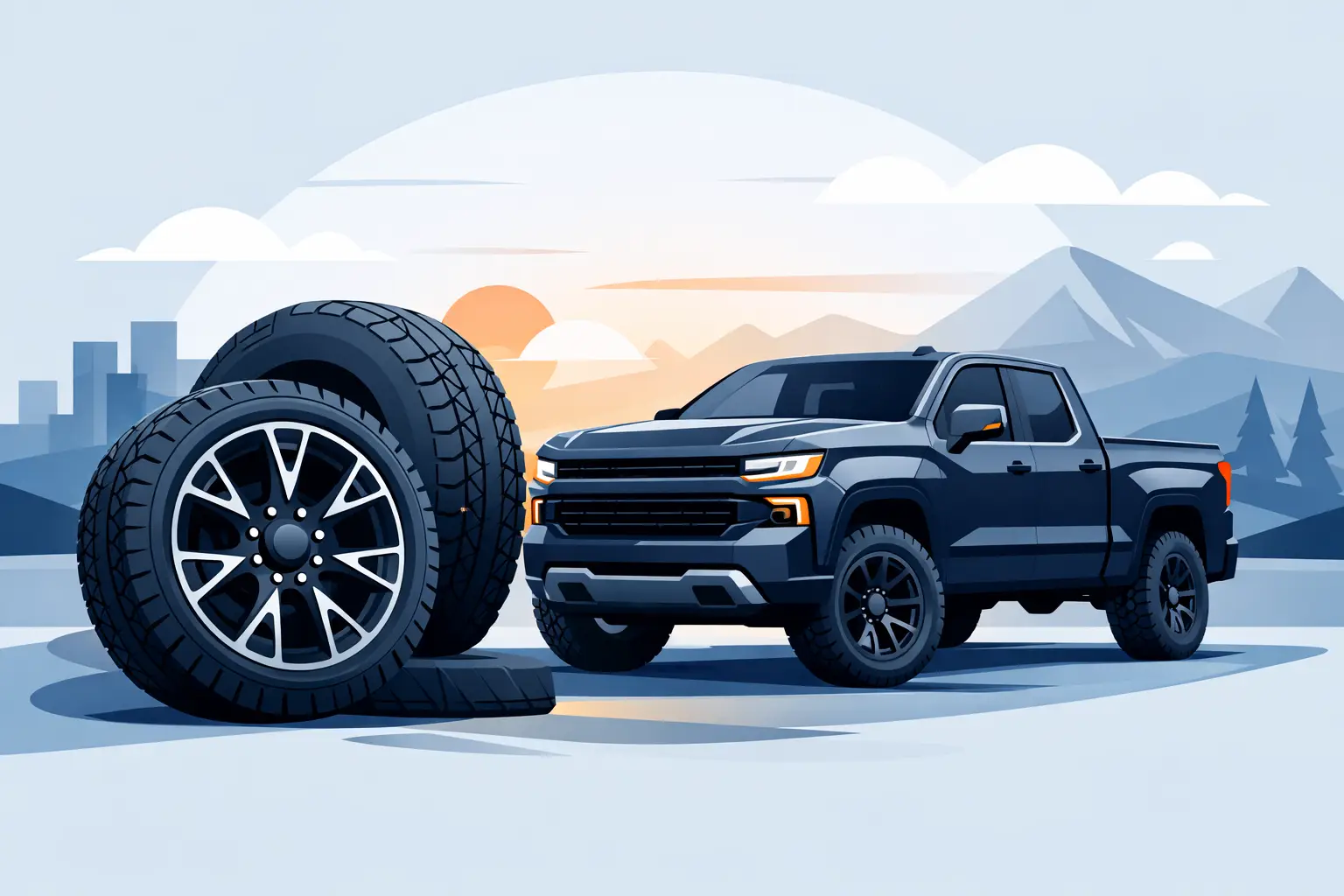
A new wheel and tire setup can change more than looks. It can sharpen handling, improve ride quality, add load capacity, or finally give your truck, Jeep, or SUV the stance you wanted in the first place. But when the upgrade lands in the four-figure range, knowing how to finance wheels and tires becomes just as important as choosing the right bolt pattern, offset, and tire size.

The smart move is not just finding a way to make the monthly payment work. It is choosing a payment method that fits the reason you are buying. Replacing worn tires before a road trip is different from upgrading to larger wheels for style. A work truck that needs dependable traction now has a different financing profile than a weekend build where timing is flexible.

How to finance wheels and tires without overpaying

There is no single best answer. The right option depends on your credit profile, how fast you need the parts, and whether the purchase solves a safety issue or a cosmetic one.

If your current tires are at the end of their life, delaying the purchase can cost more than financing it. Poor tread depth affects braking, wet-weather grip, and overall safety. In that case, paying over time may be reasonable if it gets you into the correct tires now. If you are upgrading mainly for appearance, it makes more sense to compare financing costs carefully and ask whether waiting a month or two would let you pay less in total.

Most buyers will look at four practical paths: a credit card, a buy now pay later plan, retailer financing, or a personal loan. Each one has trade-offs.

Credit cards can work if the timeline is short

A credit card is often the fastest option, especially if you already have available credit and need to move quickly. It also gives you flexibility if you are bundling wheels, tires, mounting hardware, TPMS components, or installation costs.

The downside is obvious. If the balance sits too long, the interest can turn a clean upgrade into an expensive one. A promotional APR can make sense if you know exactly how long it will take to pay off the purchase and you have enough discipline to stick to that plan. Without a payoff timeline, a credit card is convenience first and value second.

Buy now pay later plans are simple, but not always cheap

Installment plans with fixed payments are appealing because they make the purchase feel predictable. You know the payment amount, the term, and usually the approval decision happens quickly.

That said, simple does not automatically mean low-cost. Some plans offer true zero-interest promotions, while others build financing charges into the structure. Read the total repayment amount, not just the monthly number. A lower monthly payment can still mean a higher total cost.

Retailer financing can fit category-specific purchases

Some automotive retailers offer financing designed around larger parts purchases. That can be useful when you are buying a full package and want the process tied directly to the transaction.

This route is strongest when the terms are clear and the promotional period matches your budget. It is weaker when deferred interest is involved and the payoff window is unrealistic. If one missed deadline means interest gets added retroactively, the deal is less attractive than it looks at checkout.

Personal loans are cleaner for larger builds

If you are financing not just wheels and tires but related suspension or fitment work, a personal loan may be more structured than revolving credit. Fixed payments, a fixed term, and no temptation to keep adding to the balance can make budgeting easier.

The trade-off is that approval can take longer, and rates vary a lot by credit score. For a modest purchase, the effort may not be worth it. For a bigger setup with installation and alignment included, the predictability can be worth the extra step.

Before financing, price the full setup

A common mistake is financing only the visible parts of the purchase. Wheels and tires are rarely the whole ticket.

You may also need mounting and balancing, lug nuts, valve stems, TPMS service, alignment, shipping, and in some cases suspension adjustments or minor fitment changes. If you drive a truck or SUV and move to a more aggressive setup, the final bill can climb fast. Financing based on an incomplete estimate is how buyers end up using a second payment method to cover the gap.

Get the full number first. That gives you a real basis for comparing financing options and avoids approving one amount only to realize the installed cost is meaningfully higher.

Match the financing term to the life of the tires

This part gets overlooked. Tires are wear items, not permanent upgrades.

If you stretch payments too far, you may still be paying for the set when tread life is already halfway gone. That does not always make financing wrong, but it does mean the term should make sense relative to how much you drive. A commuter putting on heavy annual mileage should think differently than a vehicle owner financing a premium wheel package with occasional weekend use.

As a rule, shorter terms are usually healthier for wheel and tire purchases. The payment is higher, but the total cost stays more controlled and the timing better matches the useful life of the product.

Check the real cost, not just the approval

Getting approved feels like progress, but approval is not the finish line. The real question is what the financing costs after fees, interest, and timing are accounted for.

Look at the APR, the monthly payment, the total of payments, and whether there are penalties or deferred interest terms. If a plan offers no interest only when paid in full by a specific date, treat that date as a hard deadline, not an estimate. One late payoff can change the economics fast.

It also helps to compare the financed total against the value of the upgrade itself. Financing high-quality wheels and tires that improve safety, durability, and fitment quality can be rational. Financing a setup that strains your budget and forces compromises elsewhere on the vehicle usually is not.

Credit impact matters more than most buyers think

If you are wondering how to finance wheels and tires without hurting your next major purchase, pay attention to credit utilization and application activity.

Using a large share of an existing credit card limit can affect your credit score in the short term, even if you make payments on time. Applying for multiple financing products in a short period can also create unnecessary inquiries. That may not matter if this is your only planned purchase, but it matters a lot more if you expect to finance a vehicle, refinance a loan, or make another major credit move soon.

Sometimes the best strategy is the least aggressive one. A larger down payment, a shorter term, or waiting until your credit utilization is lower can put you in a better position overall.

When financing makes sense

Financing is usually easier to justify when the purchase is tied to safety, reliability, or business use. If your current tires are worn, damaged, or not suited to seasonal conditions, delaying replacement can create real risk. If your vehicle supports your work and downtime costs money, spreading out the purchase may be smarter than waiting.

It can also make sense when the deal is genuinely efficient. A zero-interest promotion with clear terms and a payoff plan can preserve cash without inflating the total cost.

When waiting is the better move

If the purchase is mostly aesthetic and the financing charges are high, waiting is often the cleaner answer. The same goes if you are unsure about fitment, wheel finish, or tire type. Financing locks in a decision. If you are still comparing sizes or debating whether to go more aggressive, it is better to decide first and finance second.

That is especially true with style-forward upgrades. Wheels are a major visual choice, and premium aftermarket parts should feel intentional, not rushed. Technology as an art form only works when the form and function both make sense.

A practical way to decide

Start with the reason for the purchase. If it is urgent, prioritize safety, fitment, and a payment option you can clear quickly. If it is a planned upgrade, price the full package, compare the total repayment across options, and be honest about whether financing adds value or just speeds up gratification.

For many buyers, the best answer is a balanced one: put money down, finance only what you need, and choose a term short enough that the parts still feel current by the time they are paid off. That approach keeps the vehicle moving in the right direction without turning a wheel and tire upgrade into a long-term drag on your budget.

The right setup should improve the way your vehicle looks, drives, and performs. The right financing should do the same for your purchase – clean, controlled, and built to fit.

How Much Are Tires and Wheels?

Sticker shock usually hits after the first quote. You ask how much are tires and wheels, expecting a simple number, and then the answer starts moving – by vehicle type, wheel size, tire brand, load rating, finish, and whether you are replacing one corner or upgrading the whole stance. For most US drivers, a full set can land anywhere from a few hundred dollars to several thousand. The right budget depends on what you drive, how you use it, and how much style matters alongside function.

This is one of those purchases where the cheapest option can cost more later, but the most expensive option is not always the smart buy either. Tires and wheels affect ride quality, handling, braking feel, road noise, appearance, and in some cases fuel economy. On trucks, Jeeps, and SUVs, they also change clearance, load capability, and off-road behavior.

How much are tires and wheels on average?

If you are pricing a full set of four tires only, most everyday passenger vehicles fall between about $400 and $1,200 before installation. Budget tires can come in under that range, while premium touring, performance, or all-terrain models can push beyond it.

A full set of four wheels only usually starts around $300 to $800 for basic aftermarket options in common sizes. Mid-range alloy wheels often land in the $800 to $1,600 range for a set. Premium finishes, larger diameters, forged construction, or truck-specific designs can drive that number well past $2,000.

Put them together, and many drivers spend $900 to $2,500 for a complete tire-and-wheel package. For larger trucks, lifted Jeeps, heavy-duty SUVs, or appearance-focused builds, total cost can easily reach $3,000 to $5,000 or more.

That spread is wide because the category is wide. A 16-inch commuter setup and a 22-inch truck package are not shopping in the same market.

What changes the price the most?

The biggest factor is size. Larger diameter tires and wheels usually cost more, and not just by a little. Moving from a 17-inch setup to a 20-inch setup often increases both tire cost and wheel cost at the same time. Low-profile tires for larger wheels can also narrow your choices, which tends to keep pricing higher.

Vehicle type matters just as much. Tires for compact sedans are generally cheaper than tires for half-ton trucks. Once you get into LT-rated tires, off-road tread, reinforced sidewalls, or higher load capacities, the price rises fast. Wheels follow the same pattern. A light passenger car wheel has different demands than a truck wheel built for larger loads and tougher use.

Material and construction also shift the budget. Cast alloy wheels are common and typically more affordable. Forged wheels are lighter and often stronger, but they cost significantly more. On the tire side, a basic all-season tire is usually less expensive than a premium summer tire, severe snow tire, or hybrid all-terrain design.

Then there is finish and style. Machined faces, gloss black coatings, bronze finishes, beadlock-inspired designs, and aggressive spoke patterns all add visual impact, and often cost. That premium can be worth it if the wheel changes the entire look of the vehicle. Technology as an art form is not just marketing language here – wheels are one of the first things people notice.

Typical price ranges by vehicle type

For compact cars and midsize sedans, tires often run about $100 to $250 each, while wheels may cost $90 to $250 each for common aftermarket choices. A full setup can reasonably land between $800 and $1,600 installed, depending on brand and specs.

For crossovers and smaller SUVs, tires often sit in the $140 to $300 each range. Wheels can start near $120 each and climb to $350 or more. A full package often falls between $1,100 and $2,200.

For full-size SUVs, Jeeps, and light-duty trucks, the numbers usually step up again. Tires commonly run $180 to $450 each, especially if you are looking at all-terrain or all-season truck patterns. Wheels may range from $150 to $500 each for many aftermarket options, with premium builds going much higher. Total package cost often falls between $1,400 and $3,200.

For heavy-duty trucks or specialized off-road builds, tire pricing can move past $500 each and wheel pricing can exceed $600 each without much effort. If you are after larger diameters, deep lip styling, or stronger premium construction, the budget needs to reflect that.

Tires only versus wheels only versus complete packages

If your wheels are still in good condition and you like the current look, replacing tires only is the most cost-effective path. This is common for daily drivers where performance and safety matter more than changing appearance. It also keeps fitment simple.

Replacing wheels only makes sense when your current wheels are damaged, corroded, poorly sized for your needs, or just not the look you want. Many owners upgrade wheels to improve stance, reduce weight, or sharpen the visual profile of the vehicle.

A full package makes the most sense when you want a coordinated fitment, are moving to a different wheel diameter, or need a second seasonal setup. This can also simplify buying because the tire and wheel are matched from the start. For many buyers, that removes guesswork around width, offset, bolt pattern, and tire sizing.

The hidden costs people forget

When people ask how much are tires and wheels, they often mean the parts only. The installed total is what matters.

Mounting and balancing can add roughly $80 to $200 for a set, sometimes more for larger truck tires or specialty applications. Tire disposal fees, valve stems, TPMS service or replacement, alignment, and shipping can all show up separately. If you are changing wheel size, you may also need new lug nuts, hub-centric rings, or spacers depending on the setup.

An alignment is not always mandatory, but it is often smart after installing new tires, especially if the old set wore unevenly. Skipping that step can shorten the life of an expensive new set in a hurry.

There is also the cost of getting the fitment wrong. A wheel that rubs, a tire that is too tall, or a load rating that does not match the vehicle can turn a good deal into a return problem. That is one reason experienced buyers pay attention to specs before they chase style.

When cheap works and when it does not

There are good budget tires and good value wheels on the market. Not every vehicle needs a premium setup. If you drive mostly city miles in a commuter sedan, a sensible all-season tire and a straightforward alloy wheel may be the right call. Spending extra for track-focused grip or off-road sidewall strength would not deliver much value there.

But cheap can be a bad bet if the vehicle carries weight, sees rough roads, or needs dependable performance in rain, snow, or trail conditions. Trucks, Jeeps, and SUVs often ask more from tires and wheels than a basic commuter car does. Load rating, sidewall durability, and wheel strength matter more in those applications.

The same goes for looks. A low-cost wheel may check the size box but miss on finish quality or long-term durability. If appearance is part of the goal, details matter. Finish consistency, spoke design, and material quality all show once the wheel is on the vehicle.

How much should you budget realistically?

If you want a practical number, start with these brackets. For a car, budget around $900 to $1,500 for a solid complete setup. For a crossover or midsize SUV, plan on roughly $1,200 to $2,000. For trucks, Jeeps, and larger SUVs, a realistic range is $1,500 to $3,000, with room above that for larger sizes, off-road tires, or premium wheel designs.

If your goal is simply safe replacement, stay focused on correct sizing, load rating, tread type, and total installed cost. If your goal also includes stance and visual upgrade, give the wheel more weight in the budget. That is often where the personality of the vehicle changes the most.

For buyers shopping aftermarket, the smartest move is to treat tires and wheels as a system. The right setup should fit the vehicle, support the way it is driven, and look right from every angle. That balance is where value lives.

A good set should do more than fill the wheel wells. It should make the vehicle feel right every time you pull out of the driveway.

Difference Between Tires, Wheels, and Rims

If you have ever ordered parts and caught yourself using tire, wheel, and rim like they mean the same thing, you are not alone. The difference between tires wheels and rims matters because the wrong term can lead to the wrong part, bad fitment, wasted money, or a setup that simply does not perform the way you expect.

In everyday conversation, plenty of drivers say “rims” when they really mean the whole wheel assembly. That is common, but when you are buying aftermarket parts, comparing sizes, or planning an upgrade for your car, truck, Jeep, or SUV, precision helps. These three parts work together, but they are not interchangeable.

What Is the Difference Between Tires, Wheels, and Rims?

The tire is the outer rubber component that contacts the road. It is responsible for grip, ride comfort, braking traction, wet-weather control, and part of the vehicle’s load support. When you read a size like 265/70R17, you are looking at tire sizing.

The wheel is the full metal structure the tire mounts onto. It bolts to the vehicle’s hub, supports the tire, and houses key mounting dimensions such as bolt pattern, offset, and center bore. In the aftermarket world, when you shop for a new set of alloy or steel pieces for appearance or performance, you are usually shopping for wheels.

The rim is one section of the wheel. More specifically, it is the outer edge of the wheel where the tire bead seats. So when someone says “I bought new rims,” they often mean wheels. Technically, though, the rim is only part of the wheel, not the entire assembly.

That distinction may sound minor, but it changes how you shop. You replace tires for tread wear, seasonal traction, or road damage. You replace or upgrade wheels for fitment, strength, weight, brake clearance, and style. A damaged rim may sometimes make the whole wheel unusable, but the rim itself is not a separate category in the way many people think.

Tires: The Part That Meets the Road

Tires do the hard work where the vehicle actually touches pavement, gravel, mud, or snow. They absorb small impacts, maintain traction, and help the suspension do its job. Their construction includes tread, sidewall, internal belts, and bead areas that lock onto the wheel rim.

When a tire wears out, the usual issue is tread depth, uneven wear, dry rot, punctures, or sidewall damage. In most cases, you do not need a new wheel just because you need new tires. The existing wheel can often be reused as long as it is straight, structurally sound, and matched to the new tire size.

Tire choice affects more than comfort. A highway tire, all-terrain tire, and mud-terrain tire can make the same vehicle feel completely different. Wider tires may improve grip in some conditions, but they can also increase road noise, reduce fuel economy, and create clearance issues if the wheel width and offset are not right.

For daily drivers, the best tire is usually the one that fits your actual use, not the most aggressive-looking option. For trucks and Jeeps, appearance matters, but so do load rating, sidewall strength, and how the tire works with your wheel setup.

Wheels: Structure, Fitment, and Style

The wheel is the metal backbone of the assembly. It carries the tire, mounts to the hub, and has to match the vehicle’s specifications. This is where fitment gets serious.

A wheel is defined by diameter, width, bolt pattern, offset, backspacing, center bore, and construction material. Change any of those, and you can affect handling, fender clearance, suspension clearance, and brake fitment. That is why a wheel upgrade is not just cosmetic, even though appearance is a big reason people make the change.

Alloy wheels are popular because they can reduce weight and offer sharper styling. Steel wheels are often chosen for durability, winter use, or work-truck practicality. Neither is automatically better in every case. It depends on the vehicle, the job, and how much value you place on weight, cost, finish, and appearance.

A larger wheel can create a more aggressive look and open up room for bigger brakes. The trade-off is that it usually requires a lower-profile tire, which can make the ride firmer and leave less rubber to absorb impacts. For some builds, that is exactly the point. For others, especially rough-road or off-road setups, more sidewall is the smarter choice.

Rims: The Most Misused Word in the Category

The rim is the outer portion of the wheel where the tire bead sits and seals. It is part of the wheel’s structure, but it is not the whole wheel. In technical terms, that is the cleanest answer.

Why does the word get used so loosely? Because in automotive culture, “rims” became shorthand for visible wheel upgrades. People are usually referring to the entire wheel because that is the part they see and choose for style. That casual use is not unusual, but if you are buying parts, it helps to know what you actually need.

If a shop says your rim is bent, they usually mean the wheel has damage at the outer edge. Depending on severity, the wheel may be repairable or may need replacement. If you are shopping online and search for rims, you are typically browsing wheels.

Why the Difference Between Tires Wheels and Rims Matters When Buying Parts

Terminology affects fitment, and fitment affects everything from safety to stance. If you tell a seller you need rims when you actually need tires, the conversation goes sideways fast. More importantly, if you choose a wheel without understanding diameter, width, and offset, your tire options can narrow quickly.

Take a common example. If you move from a 17-inch wheel to a 20-inch wheel, you need a tire with a matching inner diameter. A 17-inch tire will not mount on a 20-inch wheel. That sounds obvious, but sizing mistakes happen all the time when buyers focus on appearance first and specs second.

There is also the issue of load capacity. A heavy SUV or truck needs both tires and wheels rated for the application. A wheel that looks right but lacks the proper load rating is not a real upgrade. The same goes for tire construction. Design matters, but function comes first.

For aftermarket buyers, the smart approach is to treat the assembly as a system. Tire size, wheel dimensions, suspension setup, brake clearance, and intended use all need to agree with each other.

Common Situations and What You Actually Need

If your tread is worn but your metal wheel is fine, you need tires. If your vehicle has curb rash, a crack, a bend, or you want a different offset or finish, you are looking for wheels. If someone says the rim lip is damaged, that usually points to damage on the wheel itself.

If you want a more aggressive look on a truck or Jeep, you may need both new wheels and new tires to get the stance you want. A wider wheel may call for a wider tire. A more negative offset may push the wheel outward for a stronger visual presence, but it can also increase rubbing, road spray, and steering feel changes. Style has trade-offs.

If your goal is better handling on a street-driven car, a lighter wheel paired with the right performance tire can sharpen response. If your goal is off-road durability, a wheel built for abuse and a tire with stronger sidewalls may matter more than shaving weight.

The Fastest Way to Talk About These Parts Correctly

Use tire when you mean the rubber. Use wheel when you mean the full metal part that bolts to the hub. Use rim when you are specifically talking about the outer edge of that wheel.

That alone will make product searches cleaner and ordering easier. It also helps when comparing specs, asking about compatibility, or deciding whether you need a replacement part or a full visual upgrade.

At FORTLUFT, that kind of clarity matters because aftermarket parts are not just about replacing what wore out. They are about choosing components that fit right, perform right, and look right on the vehicle you actually drive.

The next time someone says “nice rims,” you will know what they probably mean and what the part actually is. That small bit of knowledge goes a long way when it is time to buy smarter, build cleaner, and make every detail count.

How to Buy Tires and Rims the Right Way

A wheel and tire package can sharpen your vehicle’s stance in one afternoon – or create vibration, rubbing, poor handling, and a return you never wanted to deal with. If you’re figuring out how to buy tires and rims, the smartest move is to treat fitment, performance, and appearance as one decision, not three separate ones.

That matters whether you drive a commuter sedan, a half-ton truck, a Jeep on oversized all-terrains, or an SUV that needs a cleaner street look without giving up daily comfort. Tires and rims affect braking, steering feel, ride quality, fuel economy, road noise, and the way the whole vehicle presents itself. This is one of the few upgrades that is both functional and visual, which means buying on looks alone usually costs more later.

Start with the vehicle, not the wheel design

The first step in how to buy tires and rims is confirming what your vehicle can actually accept. That starts with the factory tire size, wheel diameter, bolt pattern, center bore, offset, and load requirements. If one of those is off, the setup may technically bolt on and still drive badly.

Your current tire sidewall tells you a lot. A size like 265/70R17 breaks down into width, aspect ratio, and wheel diameter. That gives you the baseline for replacement or for upsizing and downsizing. The door jamb sticker adds the manufacturer’s recommended tire size and pressure, and that information matters because it reflects the weight and geometry of your specific vehicle.

Rims need even more attention than many buyers expect. A wheel can share the same diameter as your factory setup and still be wrong if the bolt pattern or offset is off. Offset changes where the wheel sits relative to the hub and fender. Go too far outward and you can create fender rub and extra stress on suspension components. Go too far inward and you may run into brake clearance problems.

How to buy tires and rims without fitment mistakes

The easiest buying error is focusing on diameter because it is the most visible number. A 20-inch wheel sounds simple. In practice, width, offset, and tire sizing determine whether the package works.

Match the bolt pattern and center bore

Bolt pattern has to be exact. Close does not count. A wheel with the wrong pattern is not a workable compromise. Center bore also matters because it affects how the wheel centers on the hub. Some wheels are designed to use hub-centric rings, which can be fine when properly matched, but the setup has to be intentional.

Choose the right wheel width for the tire

Every tire size has an approved wheel width range. Stretching a tire too much or pinching it onto a wheel that is too narrow changes how the tire performs and wears. It can also make the vehicle feel less planted in corners or less stable under load.

Watch overall tire diameter

When buyers move to a larger rim, they often need a shorter sidewall tire to keep the overall diameter close to stock. That helps preserve speedometer accuracy, gearing, and clearance. A dramatic diameter change might look aggressive, but it can affect shift points, braking feel, and ride quality.

Pick tires based on how the vehicle is actually used

This is where buying gets more strategic. The right tire for a lifted truck in snow country is not the right tire for a city SUV, and a performance sedan should not be on a tire chosen only because the tread looks aggressive.

All-season tires make sense for most daily drivers because they balance tread life, road comfort, wet traction, and cost. Summer tires improve grip and steering response but are not built for freezing temperatures. Winter tires are the better answer when cold-weather traction matters more than year-round convenience.

For trucks, Jeeps, and SUVs, the choice usually comes down to highway terrain, all-terrain, or mud-terrain. Highway tires are quieter and smoother on pavement. All-terrains give you more versatility and a stronger visual stance, but they usually add some road noise and may reduce fuel economy. Mud-terrain tires look serious and perform well off-road, but they are often louder, heavier, and less refined for daily commuting.

Load rating is just as important as tread type. A truck or SUV carrying cargo, towing, or running larger aftermarket wheels needs a tire with the right load capacity. If the tire cannot support the vehicle properly, no amount of style makes that a smart buy.

Choose rims that fit the vehicle’s purpose and style

Rims change the character of a vehicle faster than almost any other exterior upgrade. They also change unsprung weight, which affects ride and handling.

Larger wheels usually create a sharper, more modern look. They can improve steering response when paired with lower-profile tires, but the trade-off is a firmer ride and greater exposure to pothole damage. Smaller wheels with taller sidewalls tend to ride better and give more protection, which is a practical advantage for trucks, Jeeps, and rough-road driving.

Material matters too. Many aftermarket wheels are aluminum alloy because they balance weight, strength, corrosion resistance, and design flexibility. Heavier wheels can dull responsiveness. Lighter wheels often feel better on the road, but price usually rises with premium construction and finish quality.

Then there is the visual side, and it should not be treated like an afterthought. Finish, spoke design, lip depth, and overall proportion need to work with the vehicle. A wheel that looks perfect on a lowered sport sedan may look out of place on a full-size truck. Good design in automotive parts is never just decoration. It has to look right because it fits right.

Budget for the full package, not just the sticker price

A lot of buyers compare tires and rims by product price alone, then get surprised at checkout or installation. The full cost usually includes mounting, balancing, valve stems or TPMS service, possible hub rings, lug nuts if the wheel requires a different seat type, and alignment if the old tires showed uneven wear.

It also pays to think about long-term cost. A cheaper tire with short tread life or disappointing wet traction is not always the value option. A low-priced wheel with a finish that degrades quickly can make the whole vehicle look tired faster than expected.

If you are building around a visual goal, be honest about where you want the budget to land. Sometimes the right move is a more refined wheel with a practical all-season tire. Other times it is better to prioritize premium tires first and keep the wheel design simpler. Performance and appearance should work together, but one may deserve priority based on how the vehicle is used.

Common mistakes when buying tires and rims

The biggest mistake is assuming a package that fits one trim level will fit every version of that vehicle. Brake package differences, suspension variations, and factory ride height can all change what works.

Another common miss is choosing an extreme offset for appearance without understanding the side effects. A pushed-out stance may look stronger, but it can increase rubbing, throw more debris against the body, and change steering feel.

Buyers also underestimate sidewall height. Ultra-low-profile tires can look clean and premium, but on rough roads they ride harsher and offer less protection. That may be acceptable on a show-forward street build. It is less appealing on a daily-driven truck or SUV that sees construction zones, winter roads, or broken pavement.

The other mistake is ignoring seasonal reality. If you live where temperatures drop hard or storms are frequent, buying for appearance over traction is usually a short-lived win.

A practical way to make the final decision

If you want a clean path forward, narrow the choice in this order: verify factory specs, confirm wheel fitment, choose the tire category based on real driving conditions, then select the design and finish that match the vehicle. That sequence keeps style from outrunning function.

For most buyers, the best setup is not the most extreme. It is the one that clears properly, carries the load it should, suits the climate, and gives the vehicle a more intentional look. That is where aftermarket buying gets interesting. Done right, it does not just replace worn parts. It upgrades the way the vehicle feels every day.

FORTLUFT’s approach to parts reflects that same standard – practical fitment, real performance, and design that earns its place on the vehicle.

A good wheel and tire setup should make the vehicle look more finished the moment you step back from it, and feel more confident the moment you pull onto the road.

What Is a Tire and Wheel Package?

If you’re shopping for an upgrade and keep seeing the phrase what is a tire and wheel package, here’s the short answer: it’s a matched set of wheels and tires sold together, usually mounted and balanced before delivery. Instead of buying wheels first and then finding tires that fit, you get a combination designed to work as one system for your car, truck, Jeep, or SUV.

That sounds simple, but the value is in the details. A tire and wheel package can save time, reduce fitment mistakes, and give you a more dialed-in look right out of the box. It can also be the smarter move when you want to change wheel size, improve stance, or replace worn components without piecing everything together yourself.

What is a tire and wheel package, exactly?

A tire and wheel package typically includes four wheels and four tires selected to fit your vehicle together. In many cases, the tires arrive professionally mounted on the wheels and balanced, so installation is faster once the set reaches you. Depending on the seller, the package may also include valve stems, lug hardware, center caps, and sometimes tire pressure monitoring system compatibility options.

The key point is that you’re not just buying parts in the same cart. You’re buying a fitment-based combination. The wheel diameter, width, bolt pattern, offset, tire size, and load rating are chosen to work together and clear the suspension, brakes, and body of your vehicle.

That fitment layer is what separates a real package from simply buying four wheels and four random tires.

Why buyers choose a package instead of buying separately

For most drivers, convenience is the first reason. Matching tires to wheels takes more than just checking diameter. You also need to think about sidewall height, overall tire diameter, wheel width range, load capacity, and how the setup changes ride quality or appearance.

A package simplifies that process. It reduces guesswork and usually helps you avoid the most common problems, like rubbing, stretched tires, oversized sidewalls, or a wheel offset that pushes the tire too far in or out.

There’s also the visual side. Wheels change the personality of a vehicle faster than almost any other exterior upgrade. But style only works when proportion and fitment are right. A properly built package gives you both – the look you want and the function you need.

For shops and experienced buyers, the advantage is efficiency. Instead of sourcing components from multiple places and double-checking specs across product pages, you can secure a complete setup in one transaction.

What’s usually included in a tire and wheel package

The exact contents vary, but most packages center on the four core pieces: wheels, tires, mounting, and balancing. That’s the baseline.

Some packages also account for practical install details, such as the correct lug nuts or bolts, hub-centric rings when needed, and valve stems. If your vehicle uses TPMS sensors, that can affect the total setup too. Sometimes sensors are transferred from your original wheels. Sometimes new ones are needed. That depends on the vehicle and the package configuration.

This is where a package can be more useful than it first appears. It isn’t only about appearance or convenience. It’s about avoiding the small compatibility issues that can delay installation.

How fitment works in a tire and wheel package

If you want to understand what is a tire and wheel package beyond the sales term, fitment is the real answer.

Wheel fitment starts with bolt pattern, center bore, diameter, width, and offset. Tire fitment adds section width, aspect ratio, overall diameter, speed rating, and load index. Then the package has to work with your specific vehicle, including suspension geometry and brake clearance.

That matters because changing wheels is not just cosmetic. A larger wheel often requires a shorter tire sidewall to keep the overall diameter close to stock. A wider wheel can support a wider tire, but only within a proper range. Offset changes where the wheel sits in relation to the fender and suspension.

A good package balances all of that. If you’re moving from a factory 17-inch setup to an 18- or 20-inch setup, for example, the tire size should usually be adjusted so the speedometer, ride height, and clearance stay in a reasonable window.

There’s no single best setup for every vehicle. A daily-driven SUV, a lifted Jeep, and a lowered street truck all have different priorities.

The main benefits of buying a matched set

The biggest benefit is confidence. You know the wheels and tires are designed to work together, and that removes much of the trial-and-error that comes with building a custom setup piece by piece.

Time is another major advantage. Mounted and balanced packages cut down on the number of steps between ordering and installation. For many buyers, that matters just as much as price.

You may also see better overall value. Buying components together can be more cost-effective than sourcing wheels, tires, and install services separately, especially when labor is already built into the package.

Then there’s performance consistency. A matched package gives you a more intentional result in handling, traction, and appearance. Whether you want an all-terrain setup for a truck, a cleaner street look for an SUV, or a more aggressive stance for a car, the package approach makes the end result more cohesive.

The trade-offs to know before you buy

A package is not automatically the best choice in every case. If you already own a set of quality wheels and only need tires, buying a full package may not make financial sense. The same applies if you’re building a highly specialized setup and want full control over every specification.

There are also ride and durability trade-offs when upsizing wheels. Larger wheels with lower-profile tires often sharpen appearance and steering response, but they can ride firmer and leave less sidewall to absorb rough roads. On trucks and Jeeps, that may be fine for street-focused style. For rough terrain, a taller sidewall often performs better.

Weight matters too. Some wheel and tire combinations are heavier than stock, which can affect acceleration, braking feel, and fuel economy. A package should improve the vehicle’s look and capability, not create compromises you didn’t intend.

That’s why the right question isn’t just what is a tire and wheel package. It’s whether the package matches how you actually drive.

When a tire and wheel package makes the most sense

A package is often the right move when your current wheels are damaged, your tires are worn, or you want a fresh look without managing multiple fitment decisions. It also makes sense when you’re changing wheel size and need the tire dimensions adjusted correctly at the same time.

For seasonal use, packages can be especially practical. Some drivers keep one set for summer or street performance and another for winter or off-road use. Having tires already mounted on dedicated wheels makes those swaps easier and helps protect your primary set.

For business buyers and shops, packages streamline procurement. One fitment-confirmed order is easier to manage than piecing together inventory from different sources.

How to shop smarter for the right setup

Start with your vehicle’s year, make, model, and trim. That gets you into the correct fitment range. After that, decide what matters most: factory-like ride quality, a larger visual upgrade, all-weather traction, off-road capability, or a more performance-focused street feel.

Be realistic about use. A daily commuter that sees potholes and highway miles has different needs than a weekend Jeep or a show-focused truck. The right wheel finish, tire tread, and sidewall profile depend on those conditions.

Pay attention to load rating and tire type, especially for trucks and SUVs. A setup that looks right but falls short on capability is not a good value. The best package balances style, strength, and purpose.

This is also where a design-aware retailer earns its place. Good fitment support should feel precise, not vague. At FORTLUFT, that same mindset applies across the aftermarket – parts should perform correctly, fit cleanly, and look like they belong on the vehicle.

A better way to think about the purchase

A tire and wheel package is not just a bundle. It’s a coordinated upgrade. It combines fitment, function, and appearance into one buying decision, which is exactly why so many drivers choose it over building a set from scratch.

If your goal is a cleaner look, faster installation, and fewer compatibility headaches, a package is often the smart play. Just make sure the setup fits the way you drive, not just the way you want the vehicle to look in a photo.