
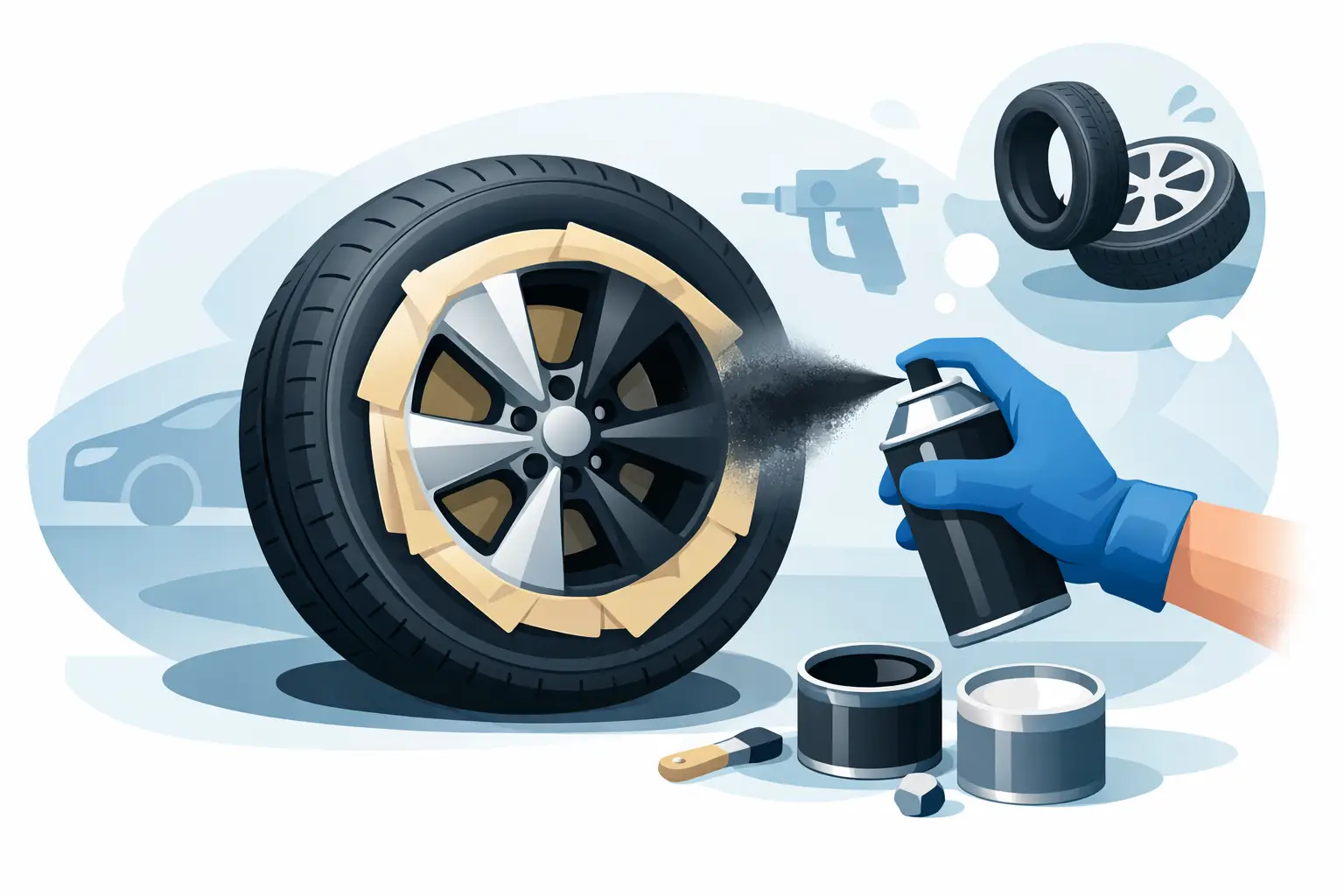
A wheel can make a clean truck or SUV look finished, or make the whole vehicle feel tired. That is why the question comes up so often: can you paint wheels with tires on? Yes, you can – and plenty of DIY owners do it successfully – but the result depends almost entirely on prep, masking, and realistic expectations.
If you want a quick cosmetic refresh, painting wheels with the tires still mounted is usually possible. If you want a near-factory finish that will hold up to road salt, brake dust, and close inspection, removing the tire from the wheel is still the better route. The difference is not just convenience. It is about how much of the wheel you can properly clean, sand, and coat.
Can You Paint Wheels With Tires On Without Ruining the Tire?
You can paint wheels with tires on without damaging the tire, as long as you mask carefully and use products intended for automotive surfaces. The biggest risk is not chemical damage to the rubber. It is overspray, uneven edges near the bead, and trapped dirt where the tire meets the wheel.
That bead area is where shortcuts show. If brake dust, old tire dressing, or road film is left behind, paint can lift early. On a daily driver, that often means chipping around the lip within a few weeks or months. On a weekend build, the finish may last longer simply because it sees less abuse.
So the honest answer is yes, but with limits. Mounted tires make the job faster and cheaper. They also make it harder to achieve a crisp finish around the edge and inside tight contours.
When Painting Wheels With Tires On Makes Sense
There are situations where leaving the tires mounted is the smart move. If the wheels have light curb rash, faded clear coat, or a worn finish that you want to improve without paying for tire dismounting, this method is practical. It is also useful when the goal is appearance, not full restoration.
For many drivers, especially those refreshing stock wheels on a commuter, Jeep, or work truck, the time savings are worth it. You avoid the extra labor of breaking down each tire, and the wheel can still look dramatically better from five feet away – and often from much closer if the prep is done right.
This approach also works well on wheels that are already mounted on older tires you plan to replace later. If a new tire set is coming soon, painting now can be a reasonable interim upgrade.
When You Should Remove the Tires First
There are also clear cases where painting wheels with tires on is not the right move. If the wheels have severe corrosion, peeling finish near the bead, or deep curb damage, mounted tires get in the way of proper repair. The same goes for powder coating or any finish where complete stripping and curing are part of the process.
High-end wheels deserve more precision. If you are working with polished lips, machined surfaces, or a wheel design with a lot of exposed barrel area, tire removal gives you better access and a more professional edge. The finish will usually last longer because you can prep the entire face and lip correctly.
If you are already investing in a premium look, do not let a shortcut define the result.
How to Paint Wheels With Tires On the Right Way
The process is straightforward, but the finish depends on discipline. Rushing between steps is what creates fish-eyes, peeling, and rough texture.
Start by removing the wheel from the vehicle. You can technically paint it while it is still bolted on, but that makes cleaning harder and raises the chances of overspray hitting brake components or body panels. Once the wheel is off, wash it thoroughly with soap and water, then use a dedicated degreaser or wax-and-grease remover. Brake dust is stubborn, and any tire shine residue near the edge can ruin adhesion.
After cleaning, address damage. Light curb rash can be smoothed with sandpaper. Flaking clear coat should be feathered out so the new paint does not sit on a failing layer. If the old finish is stable, you do not always need to strip to bare metal, but you do need to scuff the surface enough for primer or paint to bite.
Masking is where mounted tires either work or fail. Some DIY painters use playing cards tucked between the wheel lip and tire sidewall. Others use masking tape and paper or plastic. The card method is popular because it creates a clean edge quickly, but tape still helps in areas where cards shift or leave gaps. The key is full coverage of the tire sidewall and valve stem, with no exposed rubber near the edge.
Once masked, apply a light, even primer if your paint system calls for it. Then build color in thin coats instead of trying to cover everything at once. Heavy coats are what cause runs and soft finish lines near the tire. Let each coat flash properly. Finish with clear coat if the paint type requires it and if you want more gloss and durability.
Then let it cure. Not dry to the touch – cure. Mounting the wheel back on too soon or washing it too early is one of the easiest ways to ruin a decent job.
The Biggest Mistakes DIY Painters Make
Most bad wheel paint jobs do not fail because the tires stayed on. They fail because the wheel was not truly clean. Tire dressing sling, silicone residue, and old brake dust are constant problems. If the surface feels slick anywhere, it is not ready.
The next mistake is poor sanding. Paint needs mechanical adhesion. Spraying over glossy factory clear without scuffing it enough may look fine on day one and peel later.
Then there is product choice. General-purpose spray paint is rarely the best option for wheels, which deal with heat cycles, road grime, and constant impact from debris. Wheel-specific paint systems are usually the smarter call because they are formulated for harsher conditions.
Finally, many people ignore the inside of the spokes and the outer lip. Those are the zones your eye catches first. If coverage is thin there, the wheel never looks fully refinished.
What Kind of Finish Should You Expect?
If you paint carefully, mounted-tire wheel refinishing can look very good. It can absolutely transform the appearance of a vehicle, especially if the original finish is faded or stained. On black, silver, graphite, or gunmetal wheels, the visual improvement is often strong enough to make the whole vehicle feel newer.
But this method has a ceiling. It is not the same as a stripped, repaired, professionally coated wheel with the tire removed. Edges may not be quite as sharp. Durability may be lower around the bead. Tiny imperfections in prep are more likely to show up over time.
That does not make it a bad choice. It just means the right standard is improvement, not perfection.
Is It Better to Paint, Powder Coat, or Replace?
It depends on the wheel, the budget, and the goal. Paint is the fastest and most accessible option. Powder coating is tougher and often cleaner-looking, but it requires full tire removal and more downtime. Replacement makes sense when the wheel is heavily damaged, structurally questionable, or simply not the style you want anymore.
For many owners, paint is the sweet spot. It delivers a visual upgrade without the cost of a new wheel set. If the wheel is sound and the finish is the main issue, refinishing can be a smart move.
That is especially true when appearance matters as much as function. Wheels are one of the clearest examples of automotive design doing real work. They take abuse every day, but they also define stance, contrast, and presence. Technology as an art form only works when both sides show up.
So, Can You Paint Wheels With Tires On?
Yes – and for the right vehicle, budget, and expectations, it is a solid DIY job. Just do not confuse possible with effortless. The tire can stay on, but the standards for cleaning, masking, and coating still need to stay high.
If you want a clean refresh, this method can deliver. If you want the best edge quality and longest-lasting finish, remove the tire first. Either way, the wheel deserves the same attention you would give any visible performance part. A strong look starts with surfaces that are prepared like they matter.