
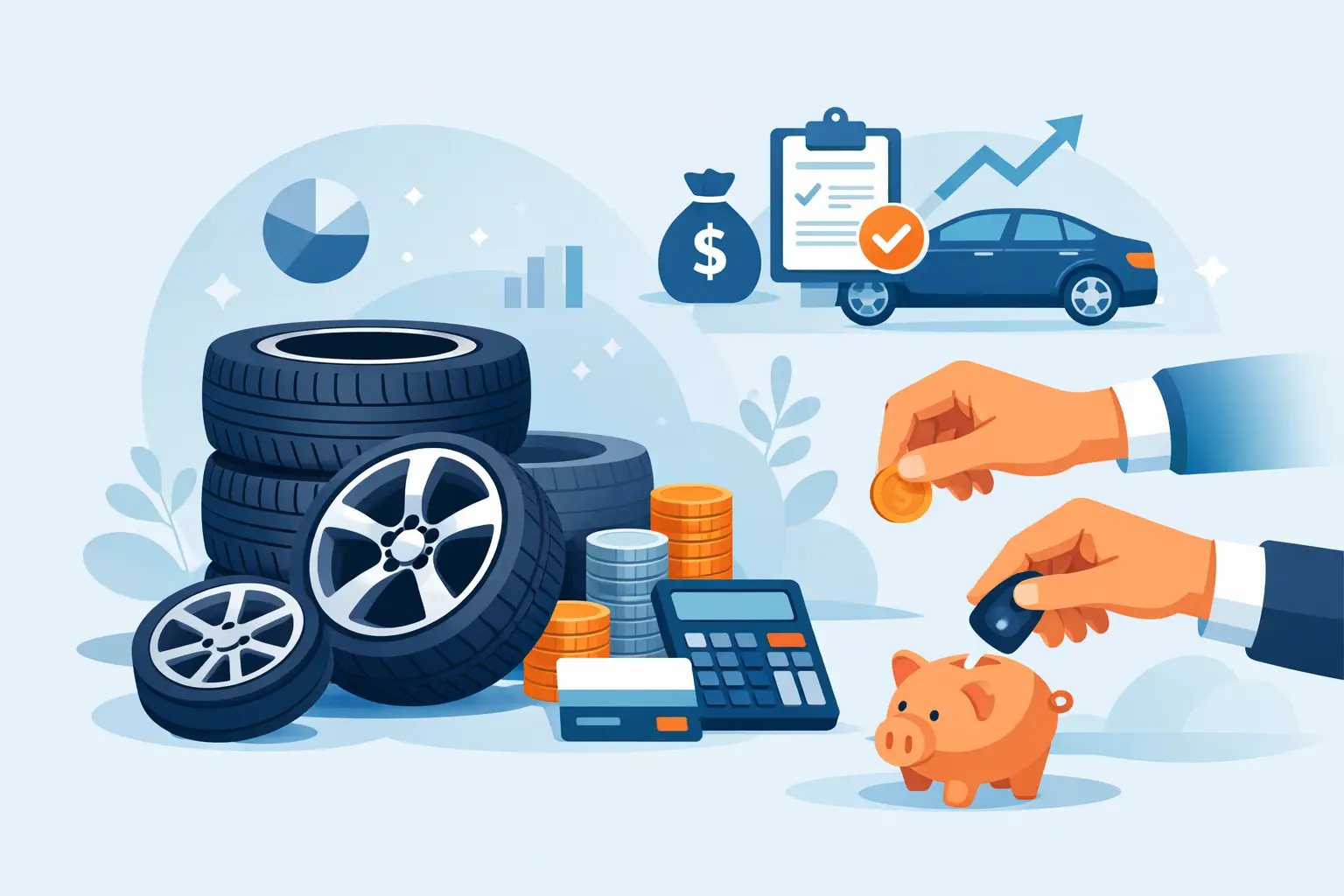
A new wheel and tire setup can change more than looks. It can sharpen handling, improve ride quality, add load capacity, or finally give your truck, Jeep, or SUV the stance you wanted in the first place. But when the upgrade lands in the four-figure range, knowing how to finance wheels and tires becomes just as important as choosing the right bolt pattern, offset, and tire size.
The smart move is not just finding a way to make the monthly payment work. It is choosing a payment method that fits the reason you are buying. Replacing worn tires before a road trip is different from upgrading to larger wheels for style. A work truck that needs dependable traction now has a different financing profile than a weekend build where timing is flexible.
How to finance wheels and tires without overpaying
There is no single best answer. The right option depends on your credit profile, how fast you need the parts, and whether the purchase solves a safety issue or a cosmetic one.
If your current tires are at the end of their life, delaying the purchase can cost more than financing it. Poor tread depth affects braking, wet-weather grip, and overall safety. In that case, paying over time may be reasonable if it gets you into the correct tires now. If you are upgrading mainly for appearance, it makes more sense to compare financing costs carefully and ask whether waiting a month or two would let you pay less in total.
Most buyers will look at four practical paths: a credit card, a buy now pay later plan, retailer financing, or a personal loan. Each one has trade-offs.
Credit cards can work if the timeline is short
A credit card is often the fastest option, especially if you already have available credit and need to move quickly. It also gives you flexibility if you are bundling wheels, tires, mounting hardware, TPMS components, or installation costs.
The downside is obvious. If the balance sits too long, the interest can turn a clean upgrade into an expensive one. A promotional APR can make sense if you know exactly how long it will take to pay off the purchase and you have enough discipline to stick to that plan. Without a payoff timeline, a credit card is convenience first and value second.
Buy now pay later plans are simple, but not always cheap
Installment plans with fixed payments are appealing because they make the purchase feel predictable. You know the payment amount, the term, and usually the approval decision happens quickly.
That said, simple does not automatically mean low-cost. Some plans offer true zero-interest promotions, while others build financing charges into the structure. Read the total repayment amount, not just the monthly number. A lower monthly payment can still mean a higher total cost.
Retailer financing can fit category-specific purchases
Some automotive retailers offer financing designed around larger parts purchases. That can be useful when you are buying a full package and want the process tied directly to the transaction.
This route is strongest when the terms are clear and the promotional period matches your budget. It is weaker when deferred interest is involved and the payoff window is unrealistic. If one missed deadline means interest gets added retroactively, the deal is less attractive than it looks at checkout.
Personal loans are cleaner for larger builds
If you are financing not just wheels and tires but related suspension or fitment work, a personal loan may be more structured than revolving credit. Fixed payments, a fixed term, and no temptation to keep adding to the balance can make budgeting easier.
The trade-off is that approval can take longer, and rates vary a lot by credit score. For a modest purchase, the effort may not be worth it. For a bigger setup with installation and alignment included, the predictability can be worth the extra step.
Before financing, price the full setup
A common mistake is financing only the visible parts of the purchase. Wheels and tires are rarely the whole ticket.
You may also need mounting and balancing, lug nuts, valve stems, TPMS service, alignment, shipping, and in some cases suspension adjustments or minor fitment changes. If you drive a truck or SUV and move to a more aggressive setup, the final bill can climb fast. Financing based on an incomplete estimate is how buyers end up using a second payment method to cover the gap.
Get the full number first. That gives you a real basis for comparing financing options and avoids approving one amount only to realize the installed cost is meaningfully higher.
Match the financing term to the life of the tires
This part gets overlooked. Tires are wear items, not permanent upgrades.
If you stretch payments too far, you may still be paying for the set when tread life is already halfway gone. That does not always make financing wrong, but it does mean the term should make sense relative to how much you drive. A commuter putting on heavy annual mileage should think differently than a vehicle owner financing a premium wheel package with occasional weekend use.
As a rule, shorter terms are usually healthier for wheel and tire purchases. The payment is higher, but the total cost stays more controlled and the timing better matches the useful life of the product.
Check the real cost, not just the approval
Getting approved feels like progress, but approval is not the finish line. The real question is what the financing costs after fees, interest, and timing are accounted for.
Look at the APR, the monthly payment, the total of payments, and whether there are penalties or deferred interest terms. If a plan offers no interest only when paid in full by a specific date, treat that date as a hard deadline, not an estimate. One late payoff can change the economics fast.
It also helps to compare the financed total against the value of the upgrade itself. Financing high-quality wheels and tires that improve safety, durability, and fitment quality can be rational. Financing a setup that strains your budget and forces compromises elsewhere on the vehicle usually is not.
Credit impact matters more than most buyers think
If you are wondering how to finance wheels and tires without hurting your next major purchase, pay attention to credit utilization and application activity.
Using a large share of an existing credit card limit can affect your credit score in the short term, even if you make payments on time. Applying for multiple financing products in a short period can also create unnecessary inquiries. That may not matter if this is your only planned purchase, but it matters a lot more if you expect to finance a vehicle, refinance a loan, or make another major credit move soon.
Sometimes the best strategy is the least aggressive one. A larger down payment, a shorter term, or waiting until your credit utilization is lower can put you in a better position overall.
When financing makes sense
Financing is usually easier to justify when the purchase is tied to safety, reliability, or business use. If your current tires are worn, damaged, or not suited to seasonal conditions, delaying replacement can create real risk. If your vehicle supports your work and downtime costs money, spreading out the purchase may be smarter than waiting.
It can also make sense when the deal is genuinely efficient. A zero-interest promotion with clear terms and a payoff plan can preserve cash without inflating the total cost.
When waiting is the better move
If the purchase is mostly aesthetic and the financing charges are high, waiting is often the cleaner answer. The same goes if you are unsure about fitment, wheel finish, or tire type. Financing locks in a decision. If you are still comparing sizes or debating whether to go more aggressive, it is better to decide first and finance second.
That is especially true with style-forward upgrades. Wheels are a major visual choice, and premium aftermarket parts should feel intentional, not rushed. Technology as an art form only works when the form and function both make sense.
A practical way to decide
Start with the reason for the purchase. If it is urgent, prioritize safety, fitment, and a payment option you can clear quickly. If it is a planned upgrade, price the full package, compare the total repayment across options, and be honest about whether financing adds value or just speeds up gratification.
For many buyers, the best answer is a balanced one: put money down, finance only what you need, and choose a term short enough that the parts still feel current by the time they are paid off. That approach keeps the vehicle moving in the right direction without turning a wheel and tire upgrade into a long-term drag on your budget.
The right setup should improve the way your vehicle looks, drives, and performs. The right financing should do the same for your purchase – clean, controlled, and built to fit.